The best budget golf balls aren’t just the cheapest boxes on the shelf. The worthwhile ones still launch easily, stay reasonably straight, and don’t feel like a rock off the putter. For most golfers, the sweet spot is real value at roughly $15 to $25 per dozen: low enough to ease the pain of a water ball, but good enough that you still trust the flight and feel. That’s the lane this list follows.
My short version: most golfers will score just as well with a solid two-piece value ball as they will with a premium tour model they’re half-afraid to lose. The trick is picking the right flavor of cheap. Some budget balls are built for pure speed. Others trade a few yards for softer feel and better touch on chips.
Below are the five budget golf balls I’d actually point people toward in 2026, with clear tradeoffs instead of marketing fluff.
Disclosure: This article contains affiliate links. If you buy through them, we may earn a commission at no extra cost to you.
Quick Picks
| Golf ball | Best match | What stands out | Price lane | Link |
|---|---|---|---|---|
| TaylorMade Distance+ | Best overall value | Long, durable, and easy to recommend | Usually around $20/dozen | Check Price |
| Callaway Warbird | Best for raw distance | Fast ball speed with a lively flight | Usually low-$20s/dozen | See Current Price |
| Titleist TruFeel | Best feel in this group | Softer touch without getting mushy | Usually low-$20s/dozen | See Reviews |
| Vice Drive | Best for keeping cost down | Simple, straight, low-spin value play | Often mid-teens/dozen | Check Price |
| Pinnacle Rush | Best for durability | Tough cover and strong carry for the money | Usually under $20/dozen | See Current Price |
What actually makes a budget golf ball worth buying?
Price alone doesn’t make a ball smart. The better budget options usually share four traits: solid carry distance, a cover that survives more than one round, predictable flight, and a feel that doesn’t make every chip sound clicky and dead. Greenside spin is where most bargain balls give ground, so the question becomes how much of that you’re willing to trade away.
Golfers who lose a few balls each round should care more about consistency and forgiveness than tour-level zip on half-wedges. Players who hit it fairly straight but hate a firm feel may want the softest cover they can get without jumping into premium pricing. That’s why this list mixes distance balls with one or two options that feel a little more refined.
Best Budget Golf Balls 2026
Best overall value
TaylorMade Distance+ , Best overall value
TaylorMade Distance+ is the easiest recommendation here because it does the basic stuff really well. It’s long enough to satisfy players who want visible help off the tee, durable enough for regular play, and cheap enough that losing one doesn’t sting.
The feel is on the firmer side, but not obnoxiously so. Putts come off with a crisp click, irons launch easily, and mishits don’t seem to bleed as much distance as some bargain-bin balls do. Around the green, expectations should stay realistic. You’re not getting tour-ball check, but you are getting clean, repeatable reaction on standard chips and pitches.
This is the pick for golfers who want one affordable ball they can buy in bulk and forget about. That simplicity matters. A lot of “value” balls are cheap because they’re forgettable. Distance+ is cheap and genuinely useful.
Best fit: mid- and high-handicap players who want an uncomplicated all-rounder.
Watch-out: short-game specialists may want a softer cover.
Check PriceOpens Amazon. Affiliate link.
Best for raw distance
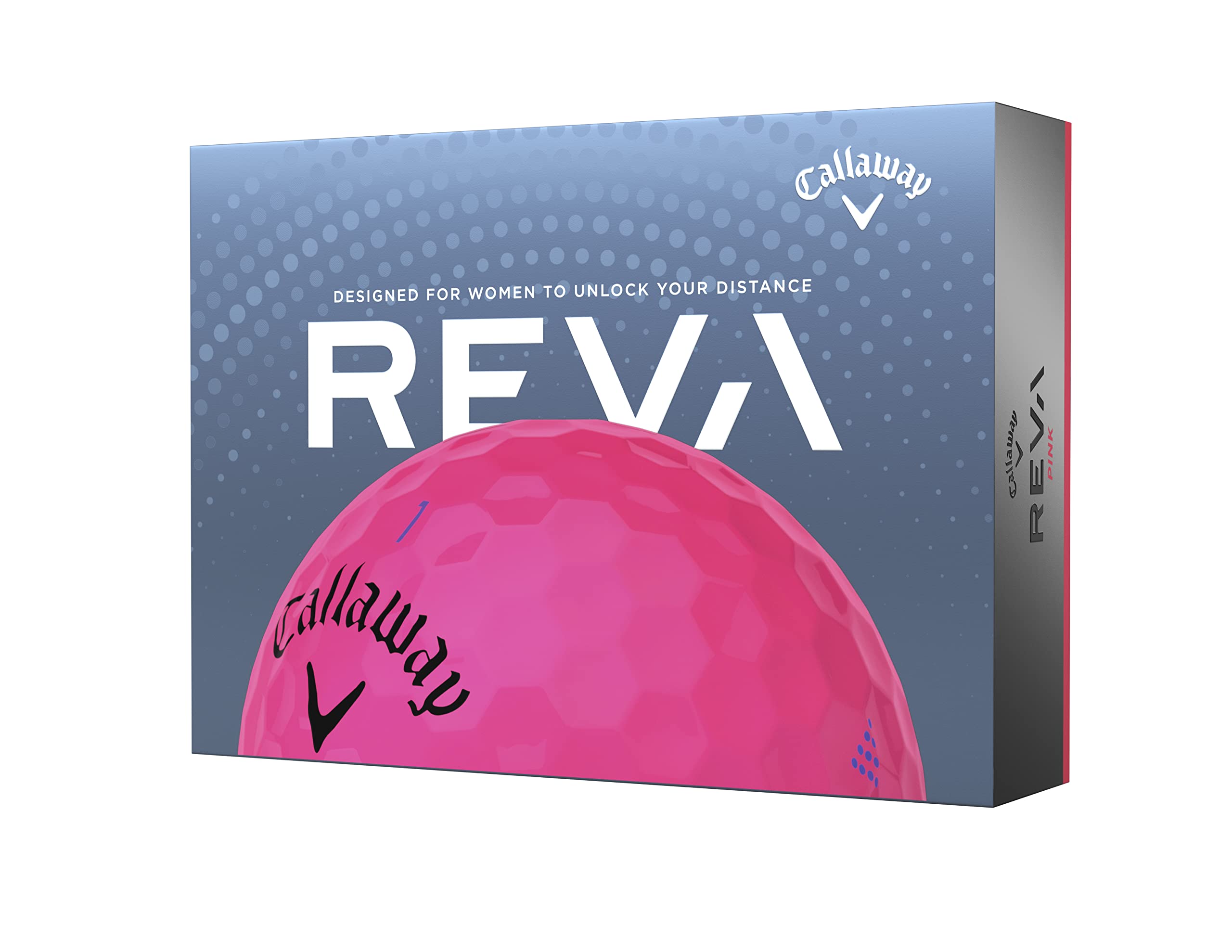
Callaway Warbird , Best for raw distance
Callaway Warbird is the ball I’d put in the hands of someone who wants more pop and doesn’t care about delicate greenside nuance. It’s fast, lively, and built to get up and go.
Off the driver, Warbird has that classic hot-budget-ball personality: quick launch, plenty of carry, and a flight that can make a slower swing speed feel less punished. Longer irons benefit too. There’s a reason distance-focused value lists keep circling back to it.
The compromise shows up once you get inside scoring range. Chips release more, little touch shots demand adjustment, and the feel is decidedly firm. None of that makes it a bad ball. It just means it suits players who win with tee-to-green simplicity rather than spin artistry.
Anybody chasing a little more yardage without paying premium-ball prices should have Warbird on the shortlist. For more distance-focused options across price tiers, this guide to the best golf balls for distance is a useful next stop.
Where it shines: driver speed, long approaches, and all-around value for stronger hitters.
Main downside: firmer feel on putts and chips.
See Current PriceOpens Amazon. Affiliate link.
Best feel in this group
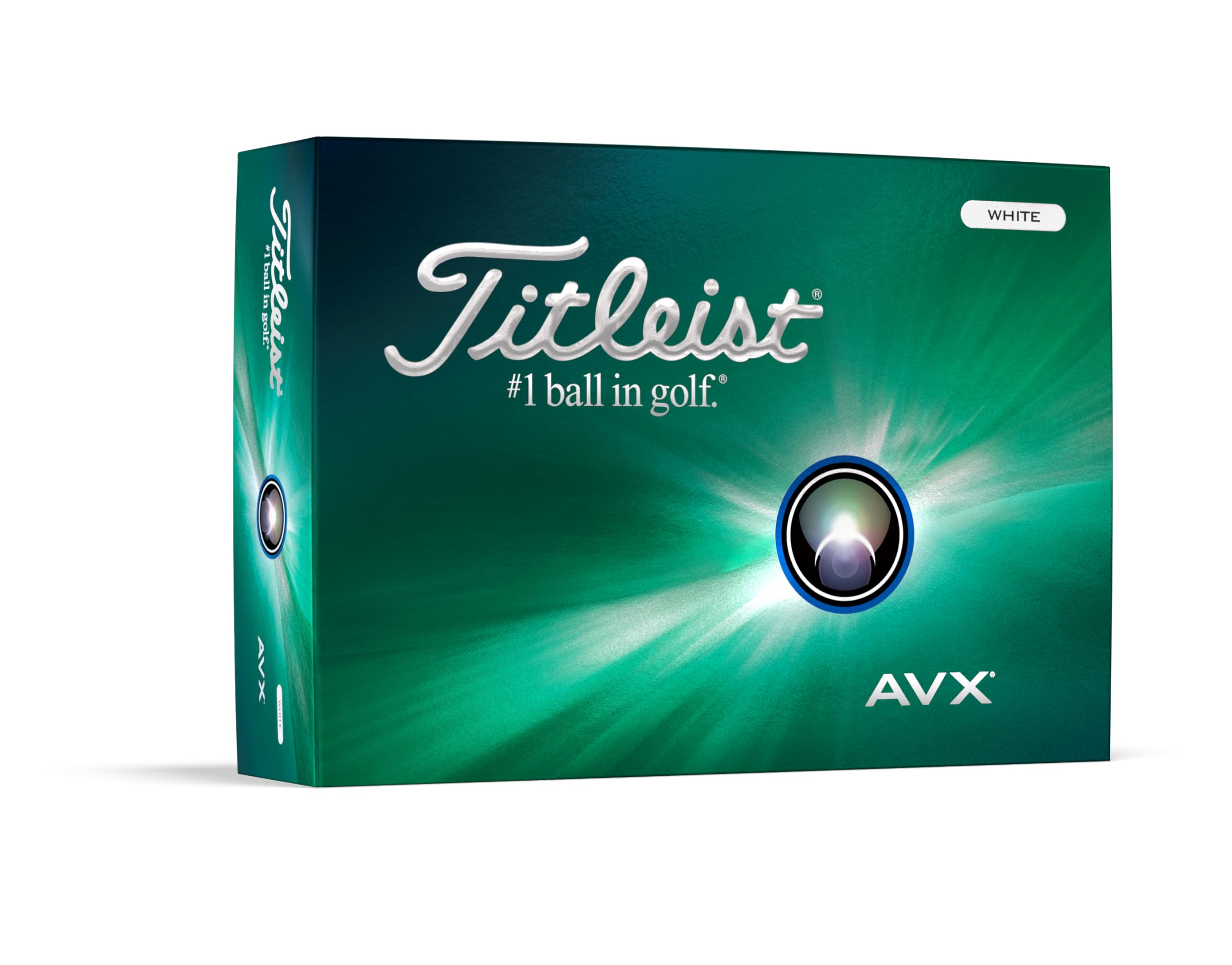
Titleist TruFeel , Best feel on a budget
Titleist TruFeel costs a touch more than the absolute cheapest balls on the rack, but the payoff is obvious the first time you hit a wedge or roll a putt. This one feels more composed than most budget models.
That softer response gives TruFeel a wider appeal than pure distance balls. Full shots still carry well enough, but the bigger difference is confidence near the green. Bump-and-runs, short pitches, and downhill putts all feel easier to judge when the ball doesn’t spring off the face like a Super Ball.
TruFeel also benefits from the brand’s reputation for consistency. Every box tends to feel like the last one, and that matters more than golfers sometimes admit. Familiar reaction builds trust.
Plenty of mid-handicappers land right here: they want to save money, but they don’t want their ball to feel blatantly cheap. TruFeel is the best answer to that problem in this group.
Ideal player: someone who values softer feel and dependable short-game response.
Less appealing for: golfers who only care about maximum speed off the tee.
See ReviewsOpens Amazon. Affiliate link.
Best for keeping cost down
Vice Drive , Best budget play for high-ball-loss golfers
Vice Drive makes sense for the golfer who burns through a dozen quickly and needs the cost per round to stay sane. It’s usually one of the cheaper recognizable-name options, and it doesn’t feel like a total sacrifice.
Flight tends to be straight-biased thanks to its lower-spin character. That won’t cure a slice, but it can keep the curve from getting wildly expensive. The feel is softer than some hard distance rocks, though still clearly built around value first.
Vice has also done a good job making this ball easy to understand. No mystery positioning, no luxury price pretending to be “accessible.” Drive is the practical option in the lineup, and that honesty works in its favor.
Golfers who are still building a repeatable swing often do better with a ball like this than with an expensive urethane model. Less spin off the driver, less stress over every lost sleeve, and more freedom to just swing.
Best use case: casual rounds, practice-heavy seasons, and players who lose several balls a round.
Tradeoff: limited greenside bite.
Check PriceOpens Amazon. Affiliate link.
Best for durability
Pinnacle Rush , Best durability for the money
Pinnacle Rush has been around forever in one form or another because it understands its job. It’s a durable distance ball for golfers who want height, toughness, and a low price tag.
The cover holds up well, which makes the real cost per round surprisingly good. A ball that lasts a few more holes before it gets chewed up is a better bargain than one that costs a dollar less and looks shredded by the turn. Rush also launches with enough energy to stay interesting for players who don’t naturally create much speed.
Feel is firm, and finesse is not the headline. Still, there’s a place for a dependable, no-nonsense ball that flies high and survives cart-path abuse better than softer alternatives. Rush fills that place nicely.
Anyone who values toughness over touch should like it. Beginners also tend to get along with Pinnacle because the ball asks very little from them.
Strongest selling point: durability and easy-launch distance.
Limitation: short-game feel lags behind the softer picks above.
See Current PriceOpens Amazon. Affiliate link.
How these five compare
TaylorMade Distance+ is the best blend of price, length, and everyday usability. Callaway Warbird is the one I’d choose for pure speed. Titleist TruFeel gives up a bit of that explosive feel in exchange for a noticeably nicer touch around the greens. Vice Drive is the budget-saver for golfers who lose plenty of balls and need a straight-ish, low-cost option. Pinnacle Rush wins the durability argument.
For most players, the decision comes down to a simple split:
- Want the safest all-around buy? Go with TaylorMade Distance+.
- Want more softness and better touch? Choose Titleist TruFeel.
- Want the cheapest practical option? Start with Vice Drive.
- Want speed first? Pick Callaway Warbird.
- Want something tough that can take abuse? Pinnacle Rush is the move.
Golfers who want a broader look beyond the bargain lane can also compare these against the category leaders in our best golf balls guide.
Common mistakes people make when buying budget golf balls
Buying the absolute cheapest box without checking the cover type. Some ultra-cheap balls feel harsh and produce almost no useful feedback on scoring shots. Saving three dollars a dozen can leave you hating every chip.
Assuming “soft” always means better. Very soft compression can help some slower swingers, but too-soft balls can feel vague or balloon for players with more speed.
Expecting premium greenside spin for bargain pricing. That usually isn’t the deal. Budget balls are mostly winning with distance, durability, and forgiveness.
Switching models every round. Consistency matters. Sticking with one affordable ball often helps more than endlessly hunting for the perfect cheap miracle.
Ignoring total cost over a season. A durable $22 ball can be better value than a flimsy $17 one that scuffs immediately.
Who should buy budget golf balls?
Budget golf balls make the most sense for beginners, higher handicaps, seasonal players, and anyone who loses enough balls that premium pricing becomes silly. They also suit a surprising number of decent golfers who prefer straightforward performance over paying for short-game spin they rarely use.
Scratch players and low-handicap shotmakers may still want more control than these models can provide. Everyone else should feel perfectly fine shopping in this lane. There’s no shame in choosing value; plenty of smart golfers do it.
FAQ
What is the best budget golf ball in 2026?
TaylorMade Distance+ is the best overall budget golf ball for most players because it balances distance, durability, and price better than anything else in this group.
Are cheap golf balls bad for your game?
No. Cheap golf balls are only bad for your game when they don’t match your needs. Many golfers play just as well with value models, especially off the tee and on full iron shots.
What budget golf ball feels the softest?
Titleist TruFeel is the softest-feeling option on this list in a way that actually helps on chips and putts. It feels more refined than the firmer distance-first models.
Which budget golf ball goes the farthest?
Callaway Warbird is the distance pick here. It’s built for speed and launch, and that shows up most clearly with driver and long-iron shots.
Should beginners use premium golf balls?
Usually not. Beginners tend to get more value from durable, lower-cost balls because they lose more of them and often won’t benefit much from premium short-game spin.
How much should a good budget golf ball cost?
A strong budget ball usually lands between about $15 and $25 per dozen. Below that, quality can get shaky. Above that, you start creeping into mid-tier territory.
Is a two-piece golf ball better for high handicappers?
Often, yes. Two-piece balls usually launch easily, spin less off the driver, and hold up well, which makes them a sensible fit for high handicappers and casual players.
The best budget golf balls don’t pretend to be tour balls. They just solve the real problem: helping you play decent golf without wincing every time one disappears into a pond. TaylorMade Distance+ is my top pick for the broadest group of players, Titleist TruFeel is the feel upgrade, and Warbird is the distance hammer. Pick the version of cheap that matches your game, and you’ll probably enjoy the round more.