The golf ball is the one piece of equipment you use on every single shot. Driver, wedge, putter-same ball. That makes the choice matter more than most golfers give it credit for, and the mistake most players make isn’t picking the wrong brand. It’s picking a ball that doesn’t match their swing speed or skill level, which means paying more for performance they can’t access, or leaving real distance and feel on the table.
These five picks cover the main golfer profiles-from tour-level players who need maximum greenside spin to beginners who just want the ball to fly straight and far. Each pick is matched to a real player type, not just ranked by price or prestige.
FTC Disclosure: This article contains affiliate links. We may earn a commission if you buy through them, at no extra cost to you.
Quick picks
| Pick | Best for | Construction | Compression |
|---|---|---|---|
| Titleist Pro V1 | Best overall tour ball | 3-piece urethane | ~87 |
| TaylorMade TP5 (2024) | Best 5-layer construction | 5-piece urethane | ~85 |
| Callaway Chrome Soft (2024) | Best feel-first ball for mid-handicaps | 4-piece urethane | ~75 |
| Srixon Z-Star XV 8 | Best for faster swing speeds | 4-piece urethane | ~102 |
| Callaway Supersoft | Best for slower swings and beginners | 2-piece ionomer | ~35 |
The 5 best golf balls
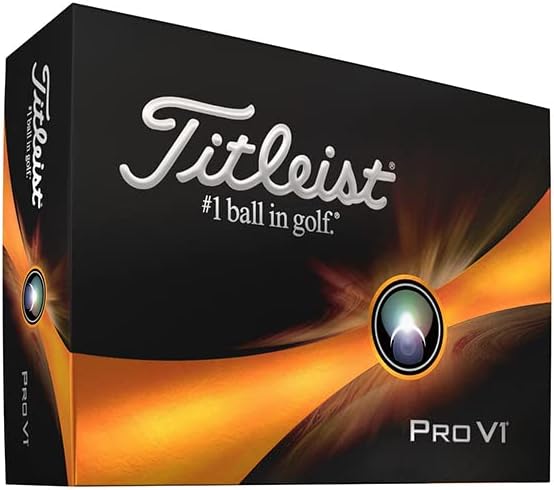
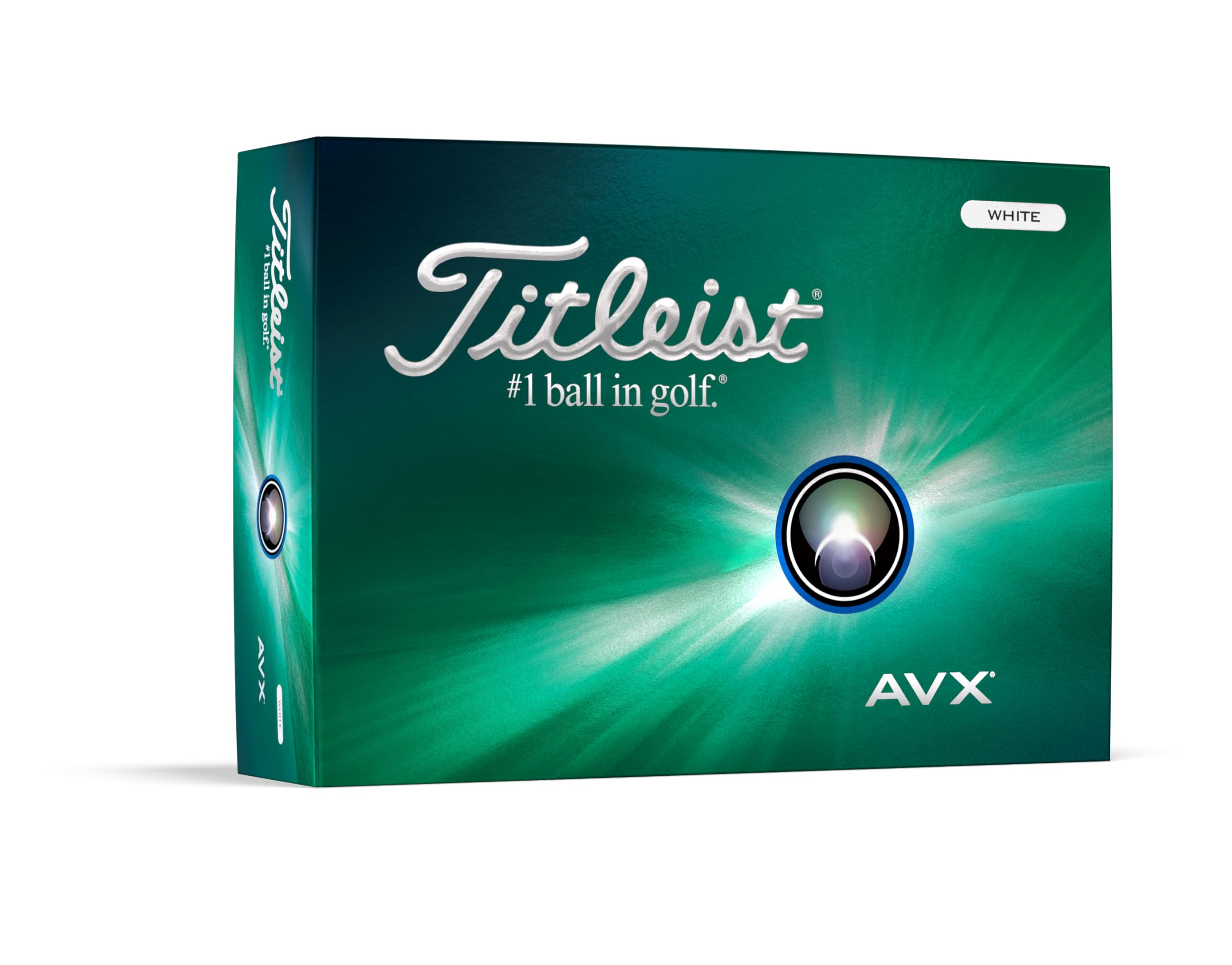
1) Titleist Pro V1 – Best overall tour golf ball
The Pro V1 is the most-played ball on every major professional tour-an independently tracked statistic, not marketing copy. It’s held that position for over two decades across multiple equipment generations, which says something real about how it performs under competitive pressure.
What makes it the best overall pick is balance. It doesn’t sacrifice distance for short-game feel or vice versa. You get a penetrating ball flight that holds its line in the wind, a urethane cover that generates real spin on wedge and chip shots, and consistent distance off the driver. The ~87 compression makes it accessible to a broader range of players than the premium price might suggest.
- Penetrating flight: Lower trajectory with good wind resistance-works well on open, exposed courses.
- Urethane cover: Real short-game spin from a material that actually grips the grooves.
- Balanced performance: Distance, iron control, and greenside feel without sacrificing one for another.
- Wide swing speed range: Best from about 85-115 mph; accessible for a broader population than the price suggests.
Best for: Low to mid-handicap players (roughly 0-15) with driver swing speeds at or above 85 mph who want the benchmark tour ball.
Worth knowing: If you’re losing 3+ balls per round, the economics don’t add up at this price. Build consistency first, then invest in premium balls.
See Current PriceOpens Amazon. Affiliate link.
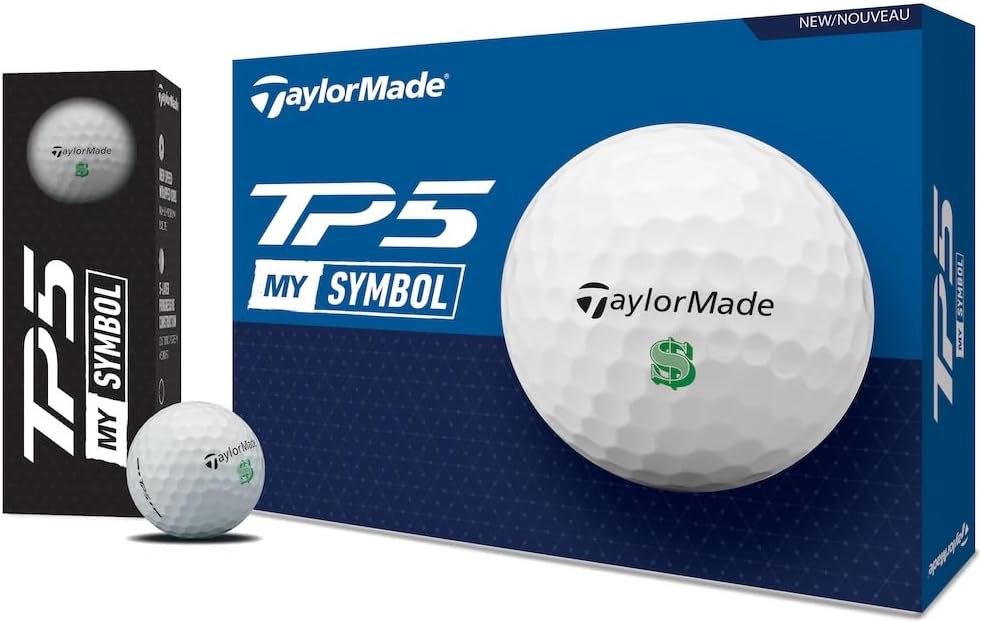
2) TaylorMade TP5 (2024) – Best 5-layer construction
The TP5 is the only 5-layer ball in mainstream commercial use, and the extra layer serves a real purpose: spin separation. The outer layers activate for wedge shots (high spin) while the inner core drives distance off the driver (low spin). The 2024 version pushes the speed-gradient design further-more driver distance without giving back short-game feel.
Used by Rory McIlroy, Jon Rahm, and a consistent roster of top-ranked players. For golfers who take their short game seriously and want the most sophisticated construction available, this is the strongest technical option on the market.
- 5-layer spin separation: Engineered to behave differently with different clubs-low driver spin, high wedge spin.
- 2024 speed gradient: Better driver distance than prior generations without sacrificing wedge control.
- Soft, responsive feel: Good feedback across all clubs despite complex construction.
- Tour validated: Consistently among the most-played balls at the highest level of play.
Best for: Low to mid-handicap players (0-12) above 90 mph who prioritize short-game precision and want the most technically advanced construction available.
Worth knowing: Simpler constructions deliver equivalent value at lower cost for players still working on hitting greens consistently.
Check PriceOpens Amazon. Affiliate link.
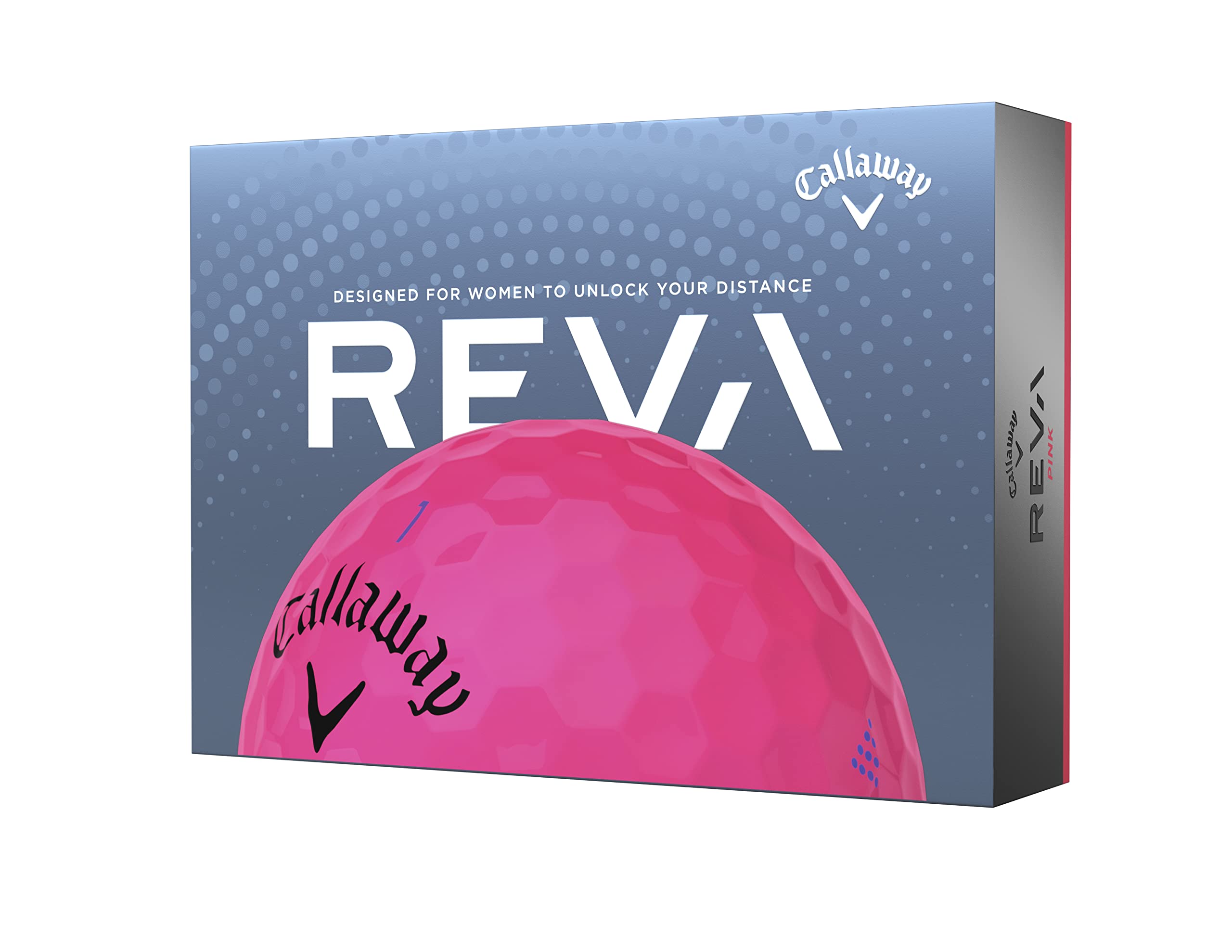
3) Callaway Chrome Soft (2024) – Best feel-first ball for mid-handicaps
The Chrome Soft delivers something the Pro V1 and TP5 don’t prioritize: a noticeably softer, more accessible feel for players not swinging at tour speeds. The ~75 compression compresses more easily for moderate swing speeds (roughly 75-100 mph), meaning better energy transfer, more distance, and a softer sensation at impact that many mid-handicap players genuinely prefer over firmer alternatives.
It’s still a 4-piece urethane ball-real greenside spin, not a distance ball with a soft label. The 2024 version uses Precision Technology construction for improved consistency shot to shot.
- Lower compression (~75): Compresses properly at moderate swing speeds-better distance and feel than high-compression tour balls for most amateur players.
- Urethane cover: Real greenside spin from a genuine premium cover material.
- Broad handicap range: Works well from roughly 5-20 handicap.
- Consistent flight: Precision Technology construction reduces ball-to-ball variability.
Best for: Mid-handicap players (8-20) with swing speeds in the 75-100 mph range who want urethane-cover performance with a more forgiving feel.
Worth knowing: Faster swingers (110+ mph) may find the Chrome Soft generates too much driver spin on mishits. High-compression options handle fast swings better.
See ReviewsOpens Amazon. Affiliate link.
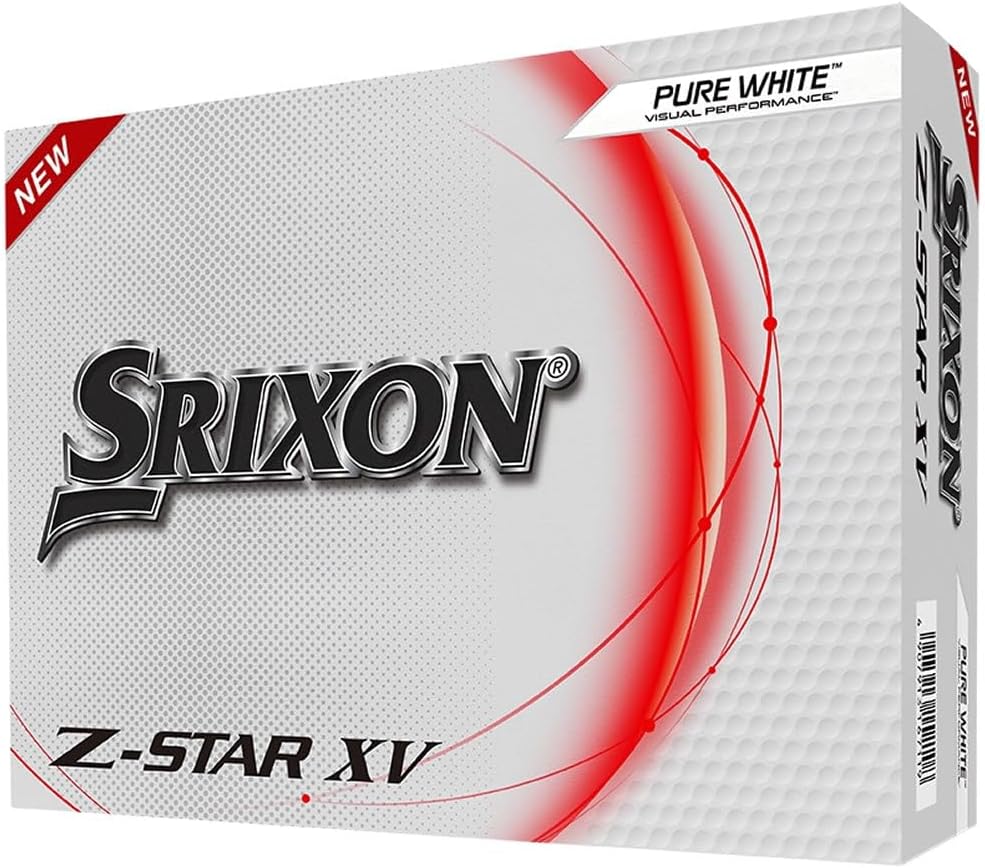
4) Srixon Z-Star XV 8 – Best for faster swing speeds
The Z-Star XV is Srixon’s high-compression tour ball-built for players with driver swing speeds consistently above 100 mph who want proper energy transfer at faster speeds without over-spinning off the tee. At ~102 compression, it’s one of the firmer options in the premium tier, and for the right player, that firmness means better distance and more controlled ball flight.
Srixon is genuinely underrated in the American market. Used by Shane Lowry, Hideki Matsuyama, and other tour winners-the lower profile compared to Titleist and TaylorMade reflects marketing spend, not quality. The XV 8 is frequently priced below Pro V1 and TP5 at comparable performance levels.
- High compression (~102): Designed for 100+ mph swing speeds-better energy transfer for fast swingers than mid-compression alternatives.
- Tour-level urethane cover: Real short-game spin, not a value-tier compromise.
- Competitive pricing: Often less expensive than Titleist and TaylorMade at equivalent performance.
- Proven at the highest level: Used by tour winners in major championships.
Best for: Low-handicap players (0-10) with driver swing speeds above 100 mph who want a premium tour ball and are open to alternatives outside the two dominant brands.
Worth knowing: Wrong ball for moderate or slow swing speeds. If your driver is below 90 mph, the standard Z-Star (not XV) is the correct Srixon option for your speed range.
See Current PriceOpens Amazon. Affiliate link.
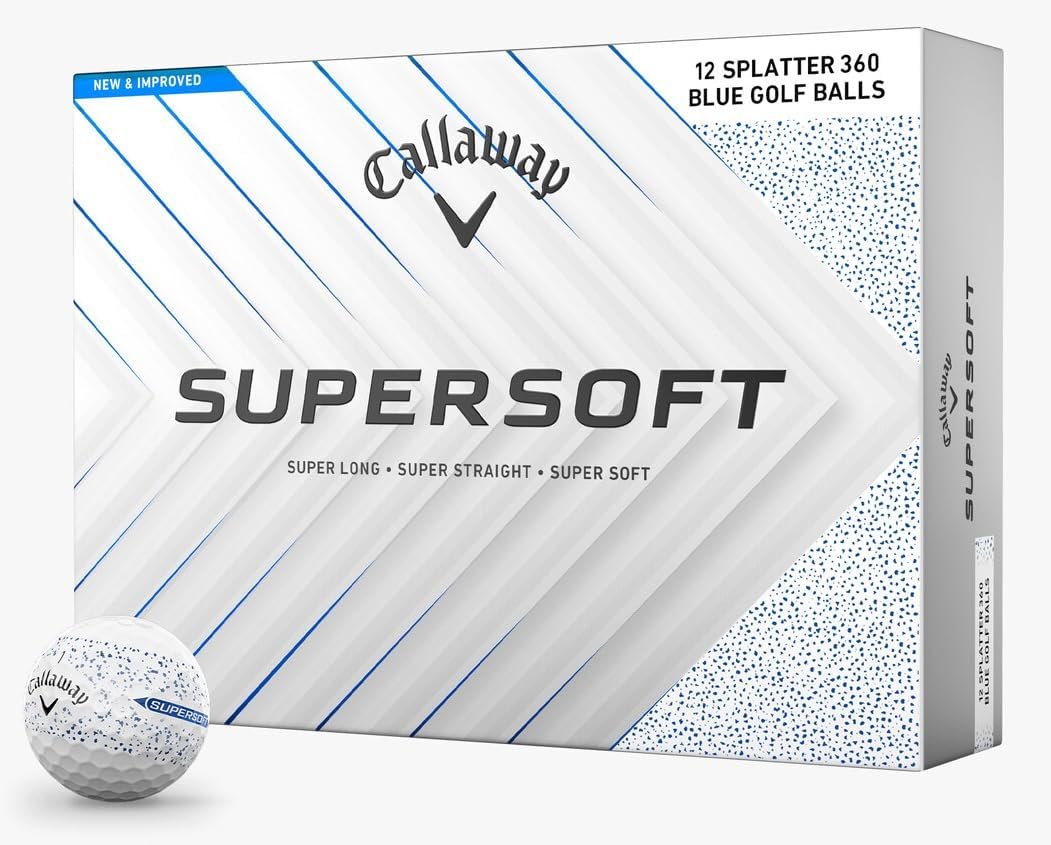
5) Callaway Supersoft – Best for slower swings and beginners
At ~35 compression, the Supersoft is engineered for one thing: maximizing distance and feel for golfers with slower swing speeds (below 85 mph). When you can’t generate enough force to compress a high-compression ball at impact, you lose distance and the ball feels dead. The Supersoft compresses correctly at slower speeds-better energy return, more distance, and a softer feel that most beginners and seniors find significantly more satisfying than harder alternatives.
It’s a 2-piece ionomer ball and won’t spin like a urethane tour ball around the greens-an honest trade-off that matters far less for high-handicap players than it does for single-digit players.
- Ultra-low compression (~35): Compresses properly at slower swing speeds where high-compression balls feel dead.
- Straighter flight design: Reduced side spin helps keep the ball in play for players with inconsistent contact.
- Soft, forgiving feel: Satisfying impact feel even on off-center hits.
- Affordable: Significantly cheaper than tour balls-appropriate when losing balls is still a regular occurrence.
Best for: Beginners, seniors, and players with driver swing speeds below 80-85 mph who want a ball that performs at their actual speed level.
Worth knowing: When your handicap drops and you start wanting more greenside spin, that’s the right time to move up to a urethane ball like the Chrome Soft.
Check PriceOpens Amazon. Affiliate link.
How to choose the right golf ball
Match compression to your swing speed
This is the variable most golfers ignore and the one that matters most for anyone outside the 95-115 mph range. A rough guide: below 75 mph driver speed, choose 35-60 compression (Supersoft territory). Between 75-95 mph, mid-compression 70-90 (Chrome Soft, Pro V1). Between 95-110 mph, mid-high compression 85-100 (Pro V1, TP5). Above 110 mph, high compression 95+ (Z-Star XV, Pro V1x).
Urethane vs ionomer: the short game decides this
Urethane covers grip grooves and generate more spin on wedge and chip shots. Ionomer covers are more durable and affordable but spin less around the greens. For players with a developed short game who can use spin, urethane is clearly the better material. For players still working on consistent ball-striking, the short-game spin difference matters less than compression match and price.
Play the same ball every round
The most underrated tip for recreational golfers: play the same ball consistently. Different balls have meaningfully different trajectories, spin profiles, and feel. Switching prevents you from building reliable feel or dialing in distances accurately. Pick one ball and stick with it for a full season before evaluating.
Tour balls vs value balls: an honest comparison
Premium urethane tour balls-Pro V1, TP5, Chrome Soft, Z-Star XV-cost $45-$55+ per dozen and deliver real performance advantages in feel, short-game spin, and overall response. They’re designed for players with the swing speed and skill to access those advantages.
Value ionomer balls-Supersoft, Srixon Soft Feel, Titleist TruFeel-cost $20-$30 per dozen, deliver less short-game spin, but provide better compression matching for slower swing speeds and better economics for players who lose balls regularly. They’re not inferior-they’re the correct product for their target player.
The mistake isn’t playing a value ball. The mistake is playing a ball mismatched to your swing speed or skill level. A $50/dozen tour ball doesn’t improve a 24-handicapper’s game-it just compresses poorly at their speed and costs more per lost ball. And a Supersoft in the hands of a scratch golfer costs real short-game control they’ve trained to use.
Above an 18 handicap or losing more than 2 balls per round: start with the Callaway Supersoft. Between 8-18 with a developing short game: the Chrome Soft bridges both worlds well. Single-digit handicap: go straight to a tour ball matched to your swing speed.
Common mistakes when buying golf balls
- Playing above your swing speed. High-compression tour balls lose distance for golfers who can’t compress them. Compression matching matters more than brand prestige.
- Switching balls every round. You can’t build feel or dial in distances playing a different ball each time. Stick with one ball for the full season.
- Evaluating balls only on driver distance. A ball’s real value shows up around the greens. Gaining 5 yards off the tee while losing a shot per round from 50 yards in is a net loss.
- Spending premium money as a high-handicapper. Tour balls don’t fix swing mechanics. Lessons deliver better returns than premium balls for high-handicap players.
- Playing lake balls of unknown grade. Water-damaged cores and cracked covers are real risks below mint grade. Buy AAAAA/mint only if you go the recycled route.
- Ignoring cold weather effects. All golf balls play firmer in cold weather. Consider dropping a compression tier in winter rounds to recover lost distance.
Q&A
What’s the best golf ball for the average golfer?
For a recreational player with a 10-25 handicap and driver swing speed in the 75-95 mph range, the Callaway Chrome Soft is the strongest all-around choice. Slower swingers below 80 mph should start with the Supersoft.
Does the ball really make a difference?
Yes, but primarily for better players. Single-digit handicaps with developed short games see measurable differences in spin, feel, and scoring. For higher handicaps, swing mechanics and course management matter far more than ball choice.
What’s the difference between the Pro V1 and Pro V1x?
The Pro V1 is 3-layer with lower compression, lower launch, and slightly lower spin-better for players who want a penetrating flight. The Pro V1x is 4-layer with higher compression, higher launch, and higher spin-better for faster swingers who want more height and wedge spin. The choice comes down to swing speed and personal feel preference.
Are recycled tour balls worth buying?
Mint-grade (AAAAA) recycled tour balls are often 30-50% cheaper than new with minimal performance difference if stored properly. Lower grades can have water-saturated cores or cover damage. For practice rounds and casual play, mint-grade recycled balls are a smart buy.
How many balls should I bring per round?
Enough to replace every ball you might lose, plus a buffer. Beginners should carry 12-15. Experienced players who rarely lose balls might need only 3-6. Never go to the first tee with fewer balls than you’re comfortable losing.
Bottom line
The best golf ball matches your swing speed, skill level, and budget. For the benchmark tour experience, the Titleist Pro V1 remains the standard. Players who want the most technically sophisticated construction should look at the TaylorMade TP5. For a softer, more forgiving urethane ball at mid-handicap swing speeds, the Callaway Chrome Soft is the go-to. Fast swingers looking outside the dominant brands should try the Srixon Z-Star XV 8. And for slower swing speeds or players building their game, the Callaway Supersoft is the most honest recommendation in the category.
Buy a sleeve of your top two candidates before committing to a dozen. The only real way to know if a ball works for your game is to play it.