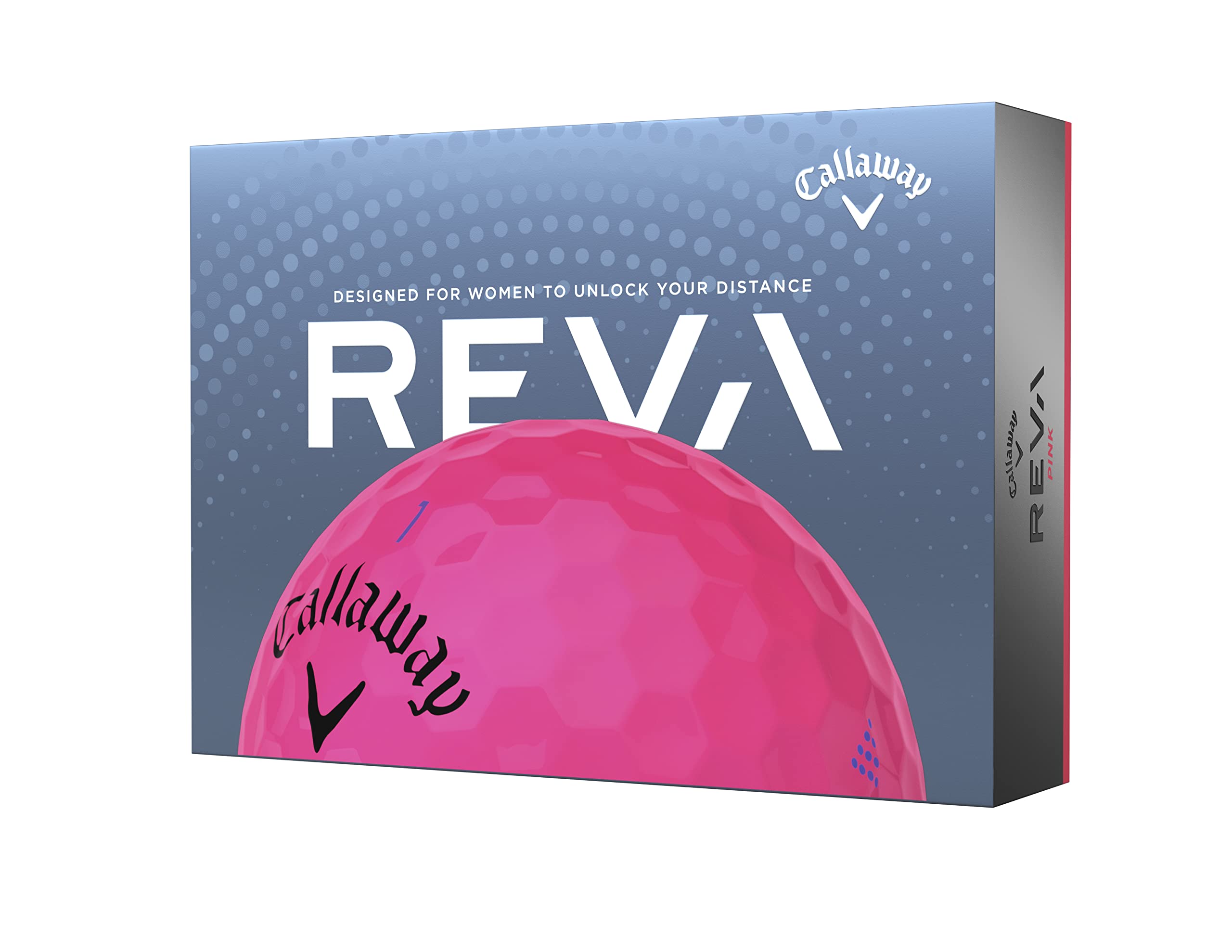
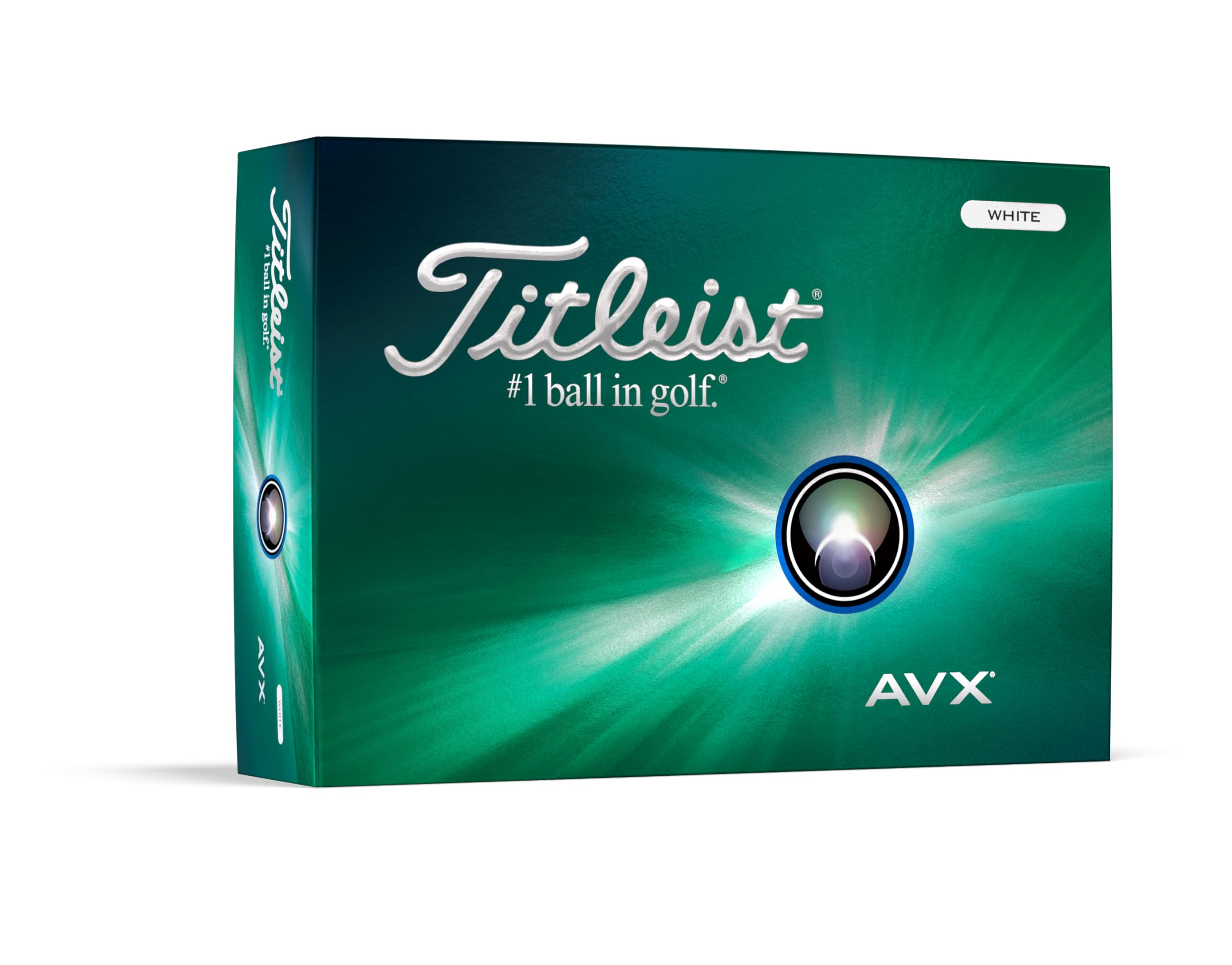
If you are shopping for the best cheap golf balls, you do not need to spend $55 a dozen to play solid golf. For most recreational players, a cheaper ball is often the smarter buy: less stress over water balls, less pain on punch-out holes, and more freedom to swing without feeling like every miss costs lunch money.
That does not mean settling for junk. A good budget ball can still deliver useful speed, predictable flight, decent durability, and enough short-game control to play normal golf. What you usually give up is tour-level spin, ultra-soft feel, or the tightest consistency window. For many golfers, that is an easy trade.
The picks below focus on balls that are easy to recommend, easy to find, and affordable enough to make sense for golfers who want value without buying garbage.
Some links in this guide are affiliate links. If you buy through them, we may earn a commission at no extra cost to you.
Quick Picks: Best Cheap Golf Balls
| Golf Ball | Best Match | What Stands Out | Link |
|---|---|---|---|
| Callaway Warbird Distance+ | Best overall value | Fast, long, and tougher than expected | See Current Price |
| TaylorMade Distance+ | Best for raw distance | Low driver spin and a strong, penetrating flight | Check Price |
| Wilson Duo Soft | Best soft-feel pick | Easy to compress and pleasant on putts | See Reviews |
| Srixon Soft Feel | Best all-around option for moderate swing speeds | Balanced distance, feel, and usable greenside control | See Current Price |
| Kirkland Signature | Best cheap urethane value | Premium-style spin for golfers who want more bite | Check Price |
How I Chose These Cheap Golf Balls
This list is built around what value-minded golfers actually need: affordable balls that still perform, not fake claims that every budget model is secretly a tour ball.
I weighted four factors most heavily:
- Real budget pricing: if a ball gets too close to premium pricing, it stops belonging here.
- Clear role: each pick should suit a specific type of golfer.
- Availability: a value ball needs to be easy to buy again.
- On-course practicality: durability, straight-flight tendencies, and easy launch matter more here than elite wedge spin.
I also kept the tradeoffs honest. Cheap distance balls should be judged on speed, flight, and durability, not whether they stop like premium urethane. And cheap urethane deserves credit for short-game control, but not a free pass if it adds too much driver spin for average players.
Best Cheap Golf Balls Worth Buying in 2026
Best overall value
Callaway Warbird Distance+
Warbird gets the top spot because it does the main job of a cheap golf ball extremely well: it goes. You get lively speed, low-ish driver spin, and enough durability that a thin wedge or minor cart-path scuff does not automatically ruin the cover.
It is also more usable than many bargain distance balls. Around the greens, you will not get tour-ball check, but chips and bump-and-runs feel predictable rather than harsh and dead. That matters for the golfers shopping in this category. Most are not trying to hit one-hop-and-stop flop shots. They want a ball that launches cleanly, stays in one piece, and does not create a new problem every time they pull a short iron or wedge.
Warbird also fits the widest range of players. Higher handicaps get easy speed and low drama. Mid-handicaps get a reliable gamer they will not mind losing. Even decent players who just want a cheaper everyday option can live with it because the ball does not do anything weird. If you want one easy recommendation without overthinking compression or cover material, the Callaway Warbird Distance+ is the safest pick here.
See today’s price for Callaway Warbird Distance+Opens Amazon. Affiliate link.
Best for raw distance
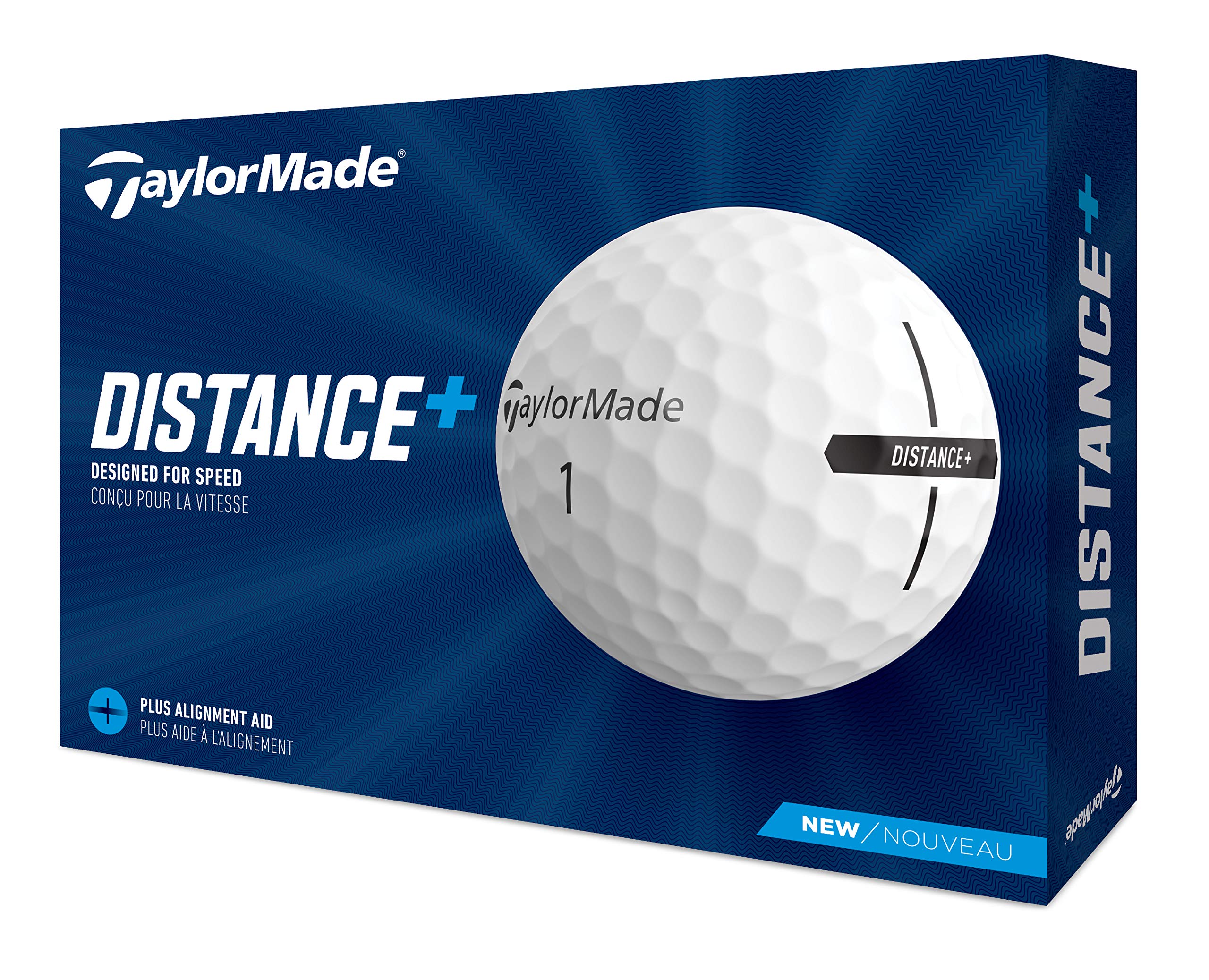
TaylorMade Distance+
Some budget balls promise distance and then launch too high or spin too much to really help. TaylorMade Distance+ is more focused. It is built to be a distance-first ball, and it acts like one: lower spin off the tee, strong carry, and a more penetrating flight than many cheap options.
This is the best fit for golfers who care most about driver performance. If your usual miss is a high-spin tee shot that climbs, stalls, and falls out of the sky, a ball like this can make more sense than chasing a softer cover. For many recreational players, a boring flight is a good thing.
The tradeoff is simple: the short game is more functional than refined. Full wedges do not rip back, and partial shots require a little acceptance. But that is the design brief, not a flaw. TaylorMade built this ball to help golfers hit it longer and straighter, not to mimic a premium scoring ball at half price. If raw value to you means tee-shot help first, the TaylorMade Distance+ is a strong buy.
See today’s price for TaylorMade Distance+Opens Amazon. Affiliate link.
Best soft-feel pick
Wilson Duo Soft
Duo Soft remains popular because it serves a part of the market many brands still undersell: golfers who care more about easy compression and pleasant feel than squeezing out every last yard. Contact feels softer, the sound is quieter, and putting is less clicky than with many bargain distance balls.
That softer profile is especially helpful for moderate and slower swing speeds. Some firm budget balls feel like you have to work to get them moving. Duo Soft feels cooperative instead. It launches easily, stays reasonably efficient, and tends to inspire more confidence for players who dislike hard-feeling golf balls.
That confidence piece matters. Golf is technical, but it is also emotional. If a ball feels harsh on chips and putts, plenty of golfers start steering the club. Duo Soft takes some of that friction away. If comfort and feel matter more to you than maximum distance, start with the Wilson Duo Soft. If you want more options in that lane, this guide to the best golf balls for slow swing speed is also worth a read.
See today’s price for Wilson Duo SoftOpens Amazon. Affiliate link.
Best all-around option for moderate swing speeds
Srixon Soft Feel
Srixon Soft Feel is the most balanced ball on this list. It does not lead the category in raw speed like Warbird or feel as soft as Duo Soft, but it avoids obvious weaknesses. For a lot of golfers, that is exactly the point.
Expect solid distance, a friendly feel on partial shots, and enough spin to hold greens better than the cheapest distance-only models. In practical terms, it suits the biggest middle of the market: golfers who are not especially fast, not especially slow, and not trying to optimize one narrow performance trait at the expense of everything else.
It is also a smart pick for improving players. If you are moving beyond beginner golf and starting to care more about wedge play, trajectory, and overall consistency, Soft Feel gives you a little more versatility without pushing you into premium-ball pricing. The Srixon Soft Feel is not flashy, but it is very easy to live with for a full season.
See today’s price for Srixon Soft FeelOpens Amazon. Affiliate link.
Best cheap urethane value
Kirkland Signature
Kirkland is the outlier because it chases a more premium style of performance than most cheap golf balls. You get a urethane cover, higher greenside spin, and a feel closer to mainstream tour models than the price suggests.
For the right golfer, that makes it the most interesting ball in this group. If you care about checking pitches, adding bite on short irons, and seeing more one-hop-and-stop action near the green, Kirkland offers something most bargain balls do not. It plays more like a cheap premium ball than a classic low-spin distance ball.
There are two real catches. First, it can spin more off the tee than many average players want, especially if you already fight a slice. Second, quality-control chatter has followed Kirkland balls for years, even if plenty of golfers are perfectly happy with them. Still, if your priority is getting urethane-style short-game performance without premium-ball pricing, the Kirkland Signature is still hard to ignore.
See today’s price for Kirkland SignatureOpens Amazon. Affiliate link.
How These Cheap Golf Balls Compare
The simplest way to separate these five is by what you want the ball to do on your misses, not your best swings.
- Pick Callaway Warbird Distance+ for the best mix of price, speed, durability, and broad appeal.
- Pick TaylorMade Distance+ if driver distance and lower tee spin are the whole point.
- Pick Wilson Duo Soft if you want the softest feel and easiest compression.
- Pick Srixon Soft Feel if you want the steadiest all-around option.
- Pick Kirkland Signature if you want the most premium short-game behavior on a budget.
There is also an important cover-material split. Ionomer and Surlyn-style covers, which dominate the value category, usually last longer and spin less. That helps many golfers hit straighter, more durable tee balls. Urethane covers usually cost more, scuff faster, and offer better greenside control. That is why Kirkland feels different from the rest of this list.
If your main goal is keeping tee shots straighter and cost per round lower, the distance-oriented ionomer balls make more sense. If you care more about finesse inside 100 yards and can tolerate more spin off the tee, cheap urethane becomes more appealing. The middle ground belongs to Srixon Soft Feel.
Who Should Buy Cheap Golf Balls?
Cheap golf balls make the most sense for three groups. First, beginners and higher handicaps who lose enough balls that premium pricing gets silly fast. Second, players with moderate swing speeds who may not unlock the full value of expensive multilayer tour balls anyway. Third, decent golfers who play a lot and would rather spend the difference on greens fees than on golf balls.
That does not mean budget always beats premium. Better players with higher speed, cleaner strike, and sharper wedge play can benefit from added spin and tighter consistency. But there is a huge middle of the golf population that would score the same, or close enough, with a smart $18 to $25 dozen.
It is also worth noting that many good value balls overlap with the best golf balls for distance. Low-spin, durable models often help average golfers more than a tour label does.
What Buyers Usually Get Wrong
Buying the absolute cheapest thing on the shelf
There is a difference between cheap and junk. A reputable budget model from Callaway, TaylorMade, Srixon, or Wilson is one thing. Random no-name packs and mystery buckets are another. Saving a few extra dollars is not worth it if the flight is inconsistent and the feel is awful.
Ignoring feel completely
Distance matters, but the ball still has to work on chips and putts. A firmer cover may save a few bucks and add a few yards, then annoy you all round. Feel is not just a luxury concern. It changes how confidently many golfers play.
Assuming urethane is always better
Kirkland proves cheap urethane can be a steal, but more spin is not a free upgrade. Players who already fight slices or ballooning tee shots may do better with a lower-spinning ionomer ball. Better construction only matters if it helps your actual ball flight.
Comparing prices without checking count
Some packs are 12, some 15, and some are multi-dozen bundles. Always break the price down per ball or per dozen. That is where some “deals” stop looking like deals.
Choosing used or refurbished balls over new budget balls
Recycled balls can be tempting, but consistency gets shaky fast. Water exposure, refinishing, and mixed generations all create guesswork. For many golfers, a new cheap ball is the better buy than a used premium one.
Changing ball types every round
If you buy whatever is on sale that week, distances and greenside reactions keep changing too. Even in the budget category, consistency helps. Pick a model that fits your game and stick with it for a while.
How to Pick the Right Cheap Golf Ball for Your Game
If you lose several balls a round
Keep it simple. Prioritize price, durability, and straight-flight tendencies. Warbird Distance+ and TaylorMade Distance+ are smarter than paying premium prices for balls you will not keep in play long enough to enjoy.
If you have a slower or smoother swing speed
Start with feel and easy launch. Wilson Duo Soft and Srixon Soft Feel are usually better fits than firm distance balls because they feel easier to compress and more cooperative off the face.
If you are improving and want more control
Srixon Soft Feel is a smart bridge option. If you specifically want more greenside bite and can accept more tee spin, Kirkland is the more aggressive value play.
If you care most about cost per shot
Run the math, then ask which ball lets you swing freely. The cheapest useful ball is the one you can buy confidently, play consistently, and not mourn when one vanishes into a pond.
FAQ
What is the best cheap golf ball right now?
The safest overall pick is the Callaway Warbird Distance+. It is long, durable, easy to find, and broad enough in its appeal that most golfers can use it without fighting obvious weaknesses.
Are cheap golf balls worth buying?
Yes. For golfers who lose a few balls per round, do not generate tour-level speed, or simply want lower cost without giving up solid performance, a good budget ball is often the smarter match.
Do cheap golf balls go shorter?
Not always. Some cheap balls are specifically built for distance, especially off the driver. What you usually give up is greenside spin, softer feel, or the tighter consistency common in premium multilayer models.
Which cheap golf ball is best for high handicappers?
Callaway Warbird Distance+ and Srixon Soft Feel are excellent starting points. Both are forgiving, easy to launch, and affordable enough that lost balls do not sting as much.
What is the softest cheap golf ball?
Wilson Duo Soft is the standout. It is one of the easiest balls in this price range to compress, and it feels noticeably gentler off the putter than most bargain distance models.
Is Kirkland still the best value golf ball?
For golfers who want urethane-cover spin at a low price, yes, it is still one of the best values around. For golfers who mainly want straight, durable, low-spin distance, other balls on this list may fit better.
Should beginners use premium golf balls?
Usually no. Most beginners are better off with a quality cheap ball. Premium models cost more, disappear just as easily, and rarely provide enough extra benefit early on to justify the price.
Are refurbished golf balls a better deal than cheap new balls?
Usually not. Refurbished balls can be inconsistent, and you often do not know how much wear or water exposure they had before being cleaned up and resold. New budget balls are typically the safer value.
How long does a cheap golf ball last?
If you do not lose it first, many ionomer-cover budget balls last surprisingly well. Durability is one of the category’s strengths. Cheap urethane balls can scuff faster, especially on wedge shots and cart-path contact.
Can a cheap golf ball help me hit it straighter?
Indirectly, yes. Many budget distance balls spin less off the driver, which can reduce the severity of hooks and slices compared with higher-spinning models. They will not fix a bad swing, but they can make misses a little less wild and a lot less expensive.
Final Verdict
Cheap golf balls are better than they used to be, and that is good news for anyone tired of funding a lake-ball collection. Start with Warbird if you want the easiest recommendation, go Srixon for balance, choose Wilson for softness, grab TaylorMade for pure speed, and pick Kirkland for the most short-game bite per dollar.
That gives you a strong five-ball shortlist without fluff, which is exactly what this category needs.