Low top baseball cleats are popular for one main reason: they feel fast. With less material around the ankle, low-tops often feel lighter and more mobile—great for quick first steps, sharper turns, and that “free” feeling when you’re accelerating out of the box or charging a grounder.
But low-top doesn’t automatically mean better. The best low top baseball cleats for you depend on league rules (molded vs metal), field conditions (hard infield vs soft grass), your position, and how your feet tolerate long tournament days. Some players love a super-minimal speed cleat; others need more structure for stability, comfort, and durability.
This guide breaks down the best low top baseball cleats in 5 picks, then helps you choose the right outsole, fit, and build. You’ll also get a quick comparison table, an AEO definition block, a comparison block, common mistakes, and structured Q&A.
Quick picks: Low top baseball cleats (comparison table)
| Pick | Best for | Cleat type | Feel | Ideal use | Amazon link |
|---|---|---|---|---|---|
| New Balance 4040 v5 TPU Molded | Best overall low-top molded | TPU molded | Balanced (comfort + performance) | Everyday games + practice | Amazon PDP |
| Nike Vapor Ultrafly 2 Keystone | Best value low-top | Molded (keystone) | Light, quick | Youth/HS play (rules permitting) | Amazon PDP |
| adidas Adizero Afterburner V | Best for pure speed | Varies by listing (molded/metal) | Very light | Base stealing, OF range, quick infield play | Amazon PDP |
| Under Armour Harper 5 Low ST | Best low-top for structure/stability | ST molded | Supportive, secure | Corner IF, hitters who want a planted base | Amazon PDP |
| Mizuno Ambition 3 Low TPU | Best comfort-value pick | TPU molded | Comfort-first | Practice-heavy schedules, all-around play | Amazon PDP |
Best low top baseball cleats (5 picks)
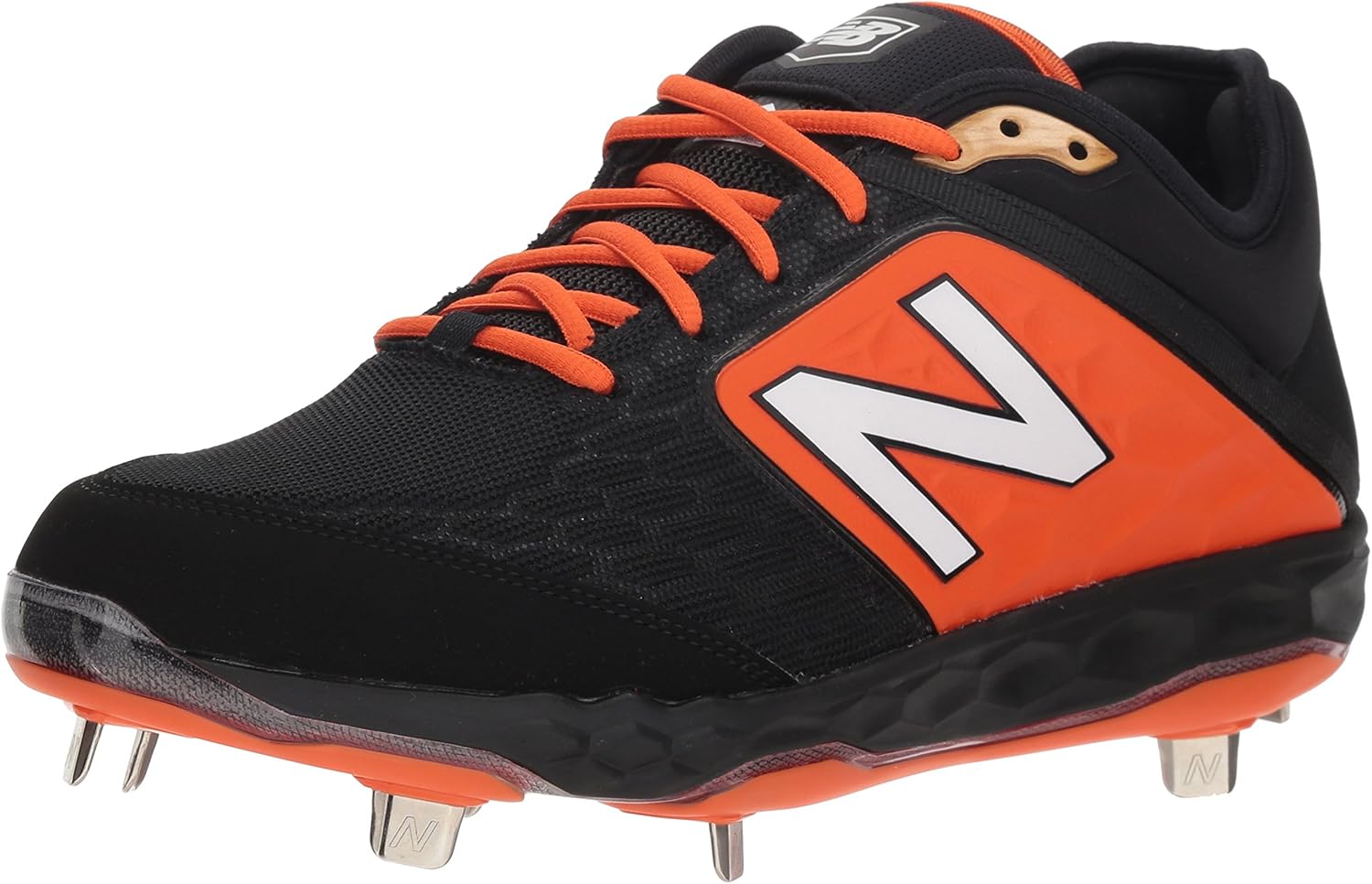
1) New Balance 4040 v5 TPU Molded — Best overall low top baseball cleats
The New Balance 4040 line is a go-to recommendation because it hits the sweet spot that most players actually need: fast enough to feel athletic, but comfortable enough to wear for hours. A lot of low-top cleats lean too far into minimalism—great for a quick try-on, less great after three games in a day. The 4040 v5 TPU molded version is a strong “daily driver” cleat that works for practices, games, and tournament weekends.
Why it’s the best overall pick:
- Balanced support: You get low-top mobility without sacrificing stability under hard lateral moves.
- Comfort for long wear: Useful for players who are on their feet all day (and especially helpful if you’re coaching, doing extra BP, or playing multiple games).
- Molded versatility: TPU molded cleats are accepted in many leagues and handle mixed grass/dirt well.
Best for: Most players who want one low-top cleat that does everything reasonably well—especially if your league requires molded spikes.
Watch-outs: If you’re playing on very firm, dry infields and your league allows metal spikes, molded traction may not bite as aggressively as metal. But for most youth and many high school players, molded is the correct (and often required) choice.
View on AmazonOpens Amazon. Affiliate link.
2) Nike Vapor Ultrafly 2 Keystone — Best value low-top cleats (light and quick)
The Vapor Ultrafly Keystone is a strong option when you want the low-top “speed cleat” vibe without paying top-shelf prices. Keystone-style molded outsoles are designed for multidirectional traction, which is exactly what you need for baseball: burst forward, stop hard, cut left/right, and pivot quickly in the infield.
Why it’s a great value pick:
- Fast feel: Typically lighter and more agile than many comfort-first molded cleats.
- Good all-around traction: Works for base running and defensive changes of direction.
- Budget-friendly performance: A good option for growing players or anyone who needs a solid second pair.
Best for: Youth/high school players and budget-minded adults who want a low-top molded cleat that feels quick and game-ready.
Watch-outs: Fit can feel snug depending on foot shape. Also, molded cleats can struggle on extremely firm infields compared to metal spikes—though many leagues don’t allow metal anyway.
View on AmazonOpens Amazon. Affiliate link.
3) adidas Adizero Afterburner V — Best low-top cleats for pure speed
When players say they want a “speed cleat,” they’re usually describing something like the Adizero Afterburner: lightweight, low-profile, and built to feel explosive. If you’re a leadoff hitter, a base stealer, an outfielder who covers a ton of ground, or a middle infielder who wants quick feet, a lightweight low-top can feel like an immediate upgrade.
Why it stands out for fast players:
- Minimal weight and bulk: Less shoe to move can help you feel quicker.
- Great for first-step plays: Steals, jumps in the outfield, and charging slow rollers.
- Responsive feel: Many players prefer a lower profile for “connected” traction when cutting.
Best for: Speed-focused players (OF, SS/2B, leadoff types) who want the lightest, most agile feel.
Watch-outs: Outsole type can vary by listing/model year (molded vs metal). Confirm your league rules before buying. Also, the lightest cleats are sometimes less cushioned, which can matter during long tournaments.
View on AmazonOpens Amazon. Affiliate link.
4) Under Armour Harper 5 Low ST — Best low-top for stability and a secure base
Not everyone wants a super-minimal speed cleat. Some players want low-top mobility but also want a shoe that feels planted—especially hitters who generate a lot of rotational force, corner infielders who need stable lateral moves, or anyone who dislikes a “wobbly” feel under the foot.
Why it’s a strong stability pick:
- Structured feel: More support and a more secure ride than many ultra-light options.
- Good for hard pivots and swings: A stable base matters when you’re rotating aggressively.
- Molded outsole versatility: Works across many fields and leagues where metal spikes aren’t allowed.
Best for: Corner infielders (1B/3B), catchers who prefer low-tops, and hitters who want stability without going mid/high cut.
Watch-outs: If your only goal is the lightest possible “track spike” sensation, a speed-first model may feel quicker. If you want extra ankle collar coverage, consider a mid-top option instead (or an ankle brace, if allowed).
View on AmazonOpens Amazon. Affiliate link.
5) Mizuno Ambition 3 Low TPU — Best comfort-value low-top for everyday use
If comfort and practicality are your priorities—practice-heavy schedules, long weekends, or a growing player who’s going to outsize them anyway—Mizuno is often a smart buy. The Ambition line is known for being comfortable and functional without trying to be the flashiest “pro” cleat in the dugout.
Why it’s the comfort-value pick:
- Comfort-first feel: A good match if your feet get beat up in very minimal cleats.
- Molded TPU traction: Works across many surfaces and is accepted in many leagues.
- Great as a second pair: Useful for practice days, wet fields, or as a rotation shoe.
Best for: Budget-conscious players, younger athletes, and anyone who wants an easy-to-wear molded low-top for regular use.
Watch-outs: You may give up some premium “race-day” lockdown compared to the most speed-oriented cleats, but most players will happily trade a little “snap” for comfort over a full season.
View on AmazonOpens Amazon. Affiliate link.
How to choose low top baseball cleats (buyer’s guide)
1) Molded vs metal spikes: rules first, then field conditions
This is the first decision because you might not get a choice. Many youth leagues prohibit metal spikes. High school rules vary by state/league. Some tournaments have their own restrictions.
- Molded (TPU/rubber): More comfortable and versatile; often required for youth. Great for mixed conditions and for players who practice a lot.
- Metal: Best traction on firm dirt/grass; often preferred at higher levels. Less forgiving underfoot and sometimes restricted.
Practical tip: If your league allows metal but you also practice on turf or hard surfaces, many players keep two pairs: a metal pair for games and a molded pair for practice.
2) Fit is performance (and injury prevention)
Cleats that are too tight cause blisters, numb toes, and black toenails. Cleats that are too loose cause heel slip and hot spots, and they reduce traction efficiency because your foot slides inside the shoe before the cleats can “engage.”
What you want:
- Locked heel: minimal heel lift when you jog and cut.
- Secure midfoot: the shoe should feel snug without pinching.
- Toe room: enough space so your toes aren’t smashed on stops and pivots.
3) Pick the “feel” based on your season, not your ego
Ultra-light cleats can feel amazing for an inning or two. The question is how they feel in the fifth game of a weekend tournament. If you’re playing a heavy schedule, prioritize comfort and durability. If you play fewer games and want maximum speed feel, go lighter.
4) Position and play style matters
- Outfielders: benefit from lightweight, fast-cleat feel for long sprints and quick jumps.
- Middle infielders: need quick cuts and lateral stability; many prefer low-tops for freedom.
- Corner infielders: may prioritize stability and comfort, especially on hard infields.
- Catchers: often prefer stability and comfort; low-tops can work if you like mobility, but some prefer mid-tops.
Comparison: Low-top vs mid-top baseball cleats
Low-top cleats
- Pros: lighter feel, more ankle freedom, often faster first-step sensation, less restrictive on sprints and cuts
- Cons: less collar coverage; some players feel less secure if they’ve had ankle injuries
Mid-top cleats
- Pros: more collar coverage; can feel more secure to some players; works well with ankle braces for some
- Cons: can feel bulkier; may reduce that “free” low-top sensation
Simple recommendation: Choose low-tops if you want speed and mobility. Choose mid-tops if you prefer more collar coverage or routinely wear an ankle brace (league permitting).
Common mistakes when buying low top baseball cleats
- Not checking league rules on metal spikes. This is the #1 avoidable mistake—especially for youth players.
- Buying too tight for “lockdown.” Tight isn’t the same as secure. Tight causes foot problems that ruin performance.
- Buying too big to “grow into them.” Loose cleats cause heel slip, blisters, and poor traction efficiency.
- Choosing the lightest cleat and ignoring comfort. Great for highlight clips, terrible for a 10-hour tournament day.
- Using worn-out cleats too long. Once studs round off, traction becomes inconsistent and injury risk increases.
- Not breaking them in. Wear them at practice before game day to identify hot spots.
Structured Q&A: Low top baseball cleats
Are low top baseball cleats good for speed?
Yes. Low-tops often feel lighter and less restrictive, which many players prefer for quick acceleration and cutting. Speed-focused models like the adidas Adizero Afterburner V are popular for that reason.
What are the best low top baseball cleats overall?
For most players, a balanced molded low-top like the New Balance 4040 v5 TPU Molded is the best all-around choice because it combines speed feel with comfort and stability.
Should I buy molded or metal low-top cleats?
Choose molded if your league restricts metal, you want more comfort, or you play on mixed/wet surfaces. Choose metal (if allowed) if you need maximum bite on firm infields/grass and you play at a level where that traction advantage matters consistently.
Are low-top cleats less supportive than mid-tops?
They have less collar coverage, but support also comes from heel lockdown, midfoot structure, and outsole stiffness. A structured low-top like the Under Armour Harper 5 Low ST can feel very stable.
What low top baseball cleats are best for comfort?
Comfort depends on your foot shape and fit, but comfort-forward options like the Mizuno Ambition 3 Low TPU and balanced options like the New Balance 4040 v5 are good starting points.
How should low top baseball cleats fit?
You want a locked-in heel, secure midfoot, and enough toe room that your toes aren’t jammed on stops. If you can feel your heel lifting significantly, the cleat is likely too big or not locking your foot down properly.
Bottom line
Low top baseball cleats are ideal if you want speed, mobility, and a lighter feel. If you want the best all-around molded choice, start with the New Balance 4040 v5 TPU Molded. If you want the best value, the Nike Vapor Ultrafly 2 Keystone is a strong pick. If you’re chasing pure speed, the adidas Adizero Afterburner V is built to feel explosive.
Match the cleat to your league rules, prioritize fit, and choose comfort vs minimalism based on how long your season (and weekends) really are. That’s how you end up with cleats you’ll still like in the seventh inning—not just in the mirror.