If your ankles feel beat up after a weekend tournament, or you have ever rolled one making a hard cut, high-top cleats can be the difference between playing free and playing cautious.
But collar height is not magic. The real win is when the whole shoe is built to lock your heel, support your midfoot, and keep you stable when you decelerate or change direction. High-tops can help, but only if the cleat itself is structurally solid.
Disclosure: This post contains affiliate links. If you buy through these links, we may earn a commission at no additional cost to you.
Quick picks
| Pick | Product | Best for | Key tradeoff |
|---|---|---|---|
| Best overall | Under Armour Leadoff Icon Mid RM | Players who want a supportive mid-cut without paying premium pricing | Not as plush as higher-end models |
| Best “high collar” feel | Under Armour Yard Icon MT | Players who want a more contained ankle feel and a locked-in fit | Fit can run narrow for some feet |
| Best for dirt + grass leagues | Under Armour Yard Icon TPU | Everyday games where you want traction and structure without a metal plate | Not as aggressive as metal on soft fields |
| Best for turf fields | Under Armour Yard Icon Turf | Turf-heavy schedules and players who want grip without studs | Not a true cleat for soft natural grass |
| Best for wide feet | New Balance FuelCell 4040 (wide sizing options) | Players who need room and hate numb toes by the 4th inning | Not always a true “high-top” collar |
How we chose these high-top baseball cleats
We prioritized two things: stability during cutting and comfort over a full game. A cleat that feels supportive for two innings but destroys your feet by the 6th is not a good cleat. We also included options for common buying constraints: maximum collar feel, turf play, and wide-foot comfort.
We also filtered for models that make sense for real baseball movement. Baseball is not just sprinting. It is hard deceleration, quick first steps, and awkward foot positions when you field, throw, and slide. The best cleats feel stable when your foot is slightly off-axis, not only when you are running in a straight line.
High-top vs low-top cleats: what actually changes
High-tops can reduce the “rolled ankle” feeling
A higher collar can help you feel more secure, especially if you have had ankle issues before. But it is not a replacement for strength, taping, or a brace if you truly need one.
Low-tops often feel faster
Low-cut cleats can feel freer and more agile, especially for middle infielders who want maximum ankle mobility. If you do not have ankle issues, a low-top can be the better performance choice.
The real support comes from the heel counter and midsole
Do not get fooled by collar height. If the heel slips, the shoe is not supportive. Prioritize a locked-in heel, stable base, and traction that matches your surface.
How to choose high-top baseball cleats (the checklist that matters)
1) Fit is performance
Cleats that pinch your forefoot or squeeze your toes will make you stiff. That affects baserunning, fielding, and even hitting because you stop moving athletically. If you have wide feet, do not “size down and hope”. Get wide sizing or a wider last.
2) Match traction to your league and field
- Molded studs: best for most youth and adult leagues; versatile on dirt/grass.
- Metal: maximum bite (if allowed) and great on soft fields; can feel harsh underfoot.
- Turf: best for turf fields and indoor training; safer for knees on turf than aggressive studs for some athletes.
3) Decide what “ankle support” means for you
Some players want a true high-collar feel. Others just want a mid-cut that feels stable. If your ankle history is real, you may still need tape or a brace. The cleat is support, not a medical device.
4) Do not ignore cushioning and plate stiffness
Hard plates can feel fast, but if you play long tournaments, comfort becomes a skill. A cleat that beats up your feet makes you slower and less explosive by game three.
1) Best overall: Under Armour Leadoff Icon Mid RM
This is the practical mid-cut cleat for players who want support and solid traction without paying premium pricing. It is a good “default” choice when you want stability but do not want to overthink the purchase.
Key Specs
Collar: mid height
Traction: molded (RM) style
Use case: everyday games and practices
Best for: Players who want a supportive feel and a reliable cleat for mixed dirt and grass schedules.
Why it wins: It hits the sweet spot: structure, comfort, and value. If you are switching from low-tops because your ankles feel unstable, this is the kind of mid-cut that makes immediate sense.
The tradeoff: It is not a premium, ultra-cushioned feel. If you want maximum comfort, you may prefer a higher-end line.
Check Leadoff Icon Mid RM pricingOpens Amazon. Affiliate link.
2) Best “high collar” feel: Under Armour Yard Icon MT
If your priority is the contained ankle feel, this is the lane. “MT” models are often built to feel more structured through the upper, which can help you feel stable when you cut or plant hard.
Key Specs
Collar: higher, more contained feel
Use case: players who like a locked-in upper
Best for: Athletes who want that “I feel held together” sensation when they accelerate and decelerate.
Why it wins: Confidence. If you stop thinking about your ankle, you move more aggressively and play faster.
The tradeoff: Fit can run narrow for some feet. If your toes go numb, this is not the right model, no matter how supportive it feels.
See Yard Icon MT optionsOpens Amazon. Affiliate link.
3) Best for dirt + grass leagues: Under Armour Yard Icon TPU
This is the everyday “real cleat” option for most players. TPU-style molded traction is a good blend of grip and comfort. It is also the most common choice for players who want one cleat that works for a season.
Key Specs
Traction: TPU molded plate
Use case: most leagues and field conditions
Best for: Players who want a stable, athletic cleat for typical dirt and grass games.
Why it wins: It is the “buy once, play anywhere” option. You get structure and traction without the harshness of some metal plates.
The tradeoff: If you play on very soft, wet fields and metal is allowed, metal can bite harder.
Check Yard Icon TPU availabilityOpens Amazon. Affiliate link.
4) Best for turf fields: Under Armour Yard Icon Turf
If you play turf most of the time, turf shoes are a legit performance and comfort upgrade. They reduce the “stuck” feeling that can happen when aggressive studs grab turf too hard, and they can feel easier on your joints in long sessions.
Key Specs
Surface: turf / training
Use case: turf-heavy schedules
Best for: Players who practice and play on turf frequently and want safer, more predictable grip.
Why it wins: Comfort and consistency. You stay athletic because you are not fighting your footwear.
The tradeoff: Turf shoes are not ideal on soft natural grass where you need studs to dig in.
See Yard Icon Turf optionsOpens Amazon. Affiliate link.
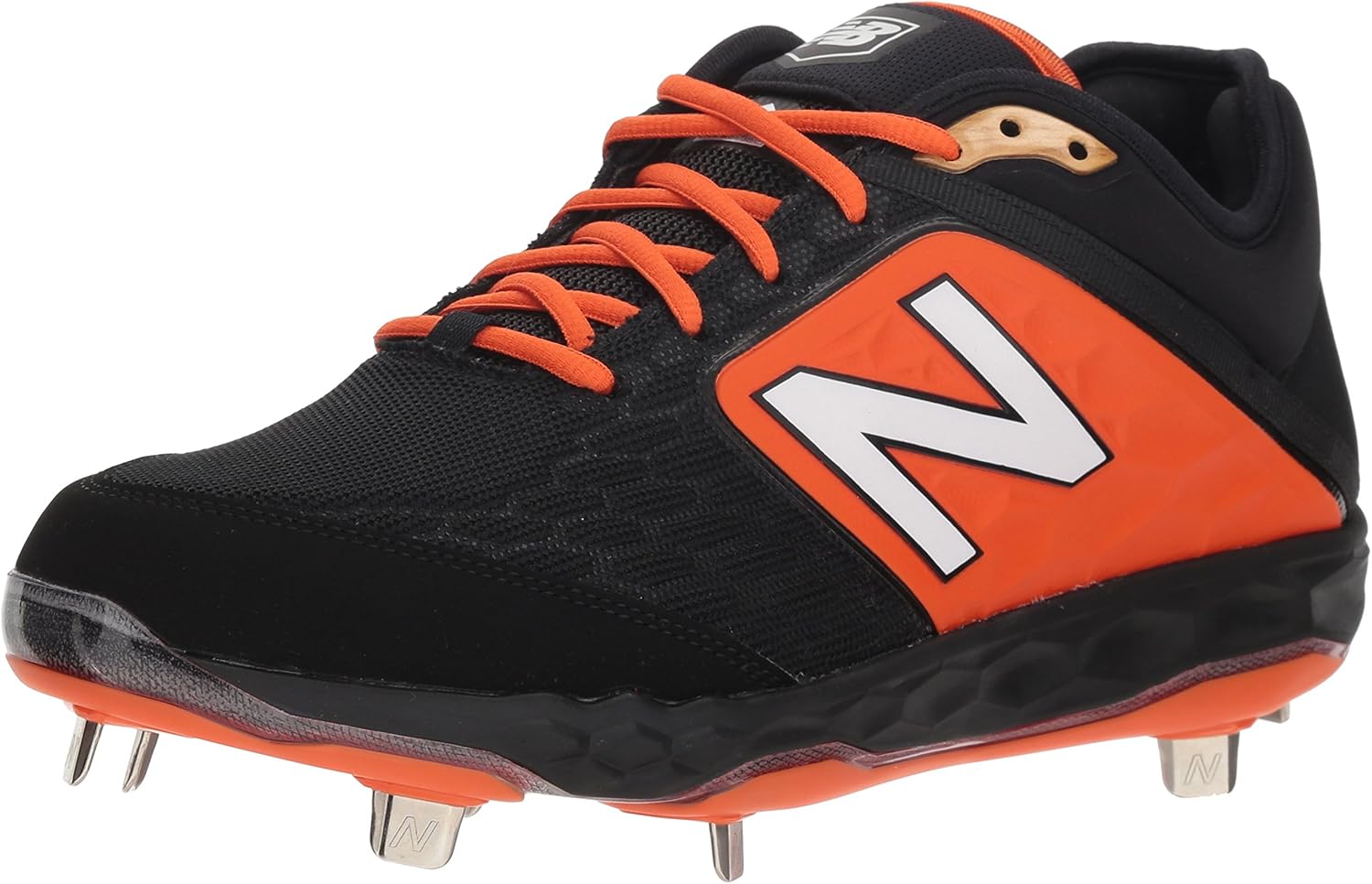
5) Best for wide feet: New Balance FuelCell 4040 (wide sizing options)
If you have wide feet, you cannot willpower your way through a narrow cleat. You need room. New Balance is often the move because wide sizing is a real option, not a marketing phrase.
Key Specs
Fit: wide options often available
Use case: comfort over a full game
Best for: Players who get hot spots, blisters, or numb toes in narrow cleats.
Why it wins: Comfort keeps you athletic. Pain makes you stiff, tentative, and slower.
The tradeoff: Depending on the exact model, it may not be a true high-top collar. If you want maximum collar height, prioritize the UA MT-style upper instead.
Check FuelCell 4040 sizing optionsOpens Amazon. Affiliate link.
What most players get wrong about “ankle support”
High-tops can make you feel secure, but they do not replace a stable ankle. If you have a history of rolling your ankle, your best results often come from combining a supportive cleat with one of these:
- Better lacing: lock-lacing and a snug heel fit reduce movement inside the shoe.
- Taping or a brace (when needed): especially during return-to-play periods.
- Strength work: even basic calf raises, balance work, and single-leg stability can reduce repeat tweaks.
How to size cleats so you do not regret it
- Heel first: if your heel slips, size/shape is wrong. A slipping heel makes every cut feel unstable.
- Toe room: a little room is fine; jammed toes are not. Many players over-tighten to chase “support.”
- Width matters: numbness and hot spots are a width problem more often than a “break-in” problem.
FAQ
Do high-top baseball cleats prevent ankle injuries?
They can help some players feel more secure, but they do not guarantee injury prevention. Strength, stability, and proper fit matter more than collar height.
Are high-top cleats better for pitchers?
Some pitchers like extra coverage because of lateral movement and hard planting. Others prefer mobility. The best choice depends on your comfort and injury history.
Do high-top cleats slow you down?
They can feel slightly less free than low-tops, but the right pair will not make you slow. If you feel restricted, choose a mid-top or a lighter model.
Should youth players wear high-top cleats?
They can, especially if it improves confidence and stability. The biggest factor for youth is fit. A well-fitting low-top beats a painful high-top every time.
Metal or molded for high-top cleats?
Follow your league rules first. Metal gives maximum bite, but molded works for most players and is common in youth and many adult leagues.
Should I wear turf shoes on turf instead of cleats?
If you are on turf most of the time, turf shoes can be a smarter default. They often feel more predictable and comfortable over long sessions, especially if you have knee or ankle sensitivity.
Are mid-top cleats enough, or do I need a true high-top?
For most players, mid-tops are enough. The bigger jump in stability usually comes from a locked-in heel and a stable base, not the extra inch of collar. If you only want “a bit more support,” mid-top is often the sweet spot.
What cleats are best for outfielders?
Outfielders do a lot of straight-line sprinting, but the hardest ankle moments often happen when you decelerate or change direction on a ball in the gap. Prioritize comfort and traction you trust over a full game.
Should I buy multiple pairs for different surfaces?
If you play both turf and natural grass regularly, yes. A turf pair plus a molded or metal pair is a simple setup that keeps you safer and more comfortable across surfaces.
Final Verdict
If you want a supportive mid-cut that makes sense for most players, start with the Leadoff Icon Mid RM. If your priority is the more contained ankle feel, the Yard Icon MT style is the move. And if you play turf constantly, a dedicated turf option like the Yard Icon Turf can keep you comfortable and athletic through a long season.