A quick note: this article includes affiliate links. If you buy through them, we may earn a commission at no extra cost to you.
If you’re shopping for the best golf rangefinder, you’re probably tired of guessing yardage, pulling the wrong club, or pretending the cart path marker is close enough. A good rangefinder fixes that fast. The tricky part is that this category is crowded with devices that all promise laser accuracy, slope compensation, and fast flag lock, while the real-world differences come down to optics, speed, steadiness, and how much trust you have in the number when it’s time to swing.
I did a quick live skim of current ranking pages before building this list, and the pattern was clear: 2026 roundups centered on tested-style picks, slope performance, optics, flag-lock reliability, and value. That lines up with how golfers actually buy these. Nobody cares about a bloated feature list if the device struggles to lock onto a pin with trees behind it.
So I kept this list to five meaningful picks instead of padding it out. These are the models that cover the buyers who matter most: the golfer who wants the premium pick, the one who wants the best value, the one trying not to overspend, the golfer who benefits from image stabilization, and the shopper who wants a strong all-around alternative without paying Bushnell prices.
Quick picks: the best golf rangefinders
| Rangefinder | Best for | Slope | What stands out | Link |
|---|---|---|---|---|
| Bushnell Tour V6 Shift | Best overall | Yes | Premium optics, fast flag lock, and the most trustworthy all-around on-course feel | See Current Price |
| Callaway 300 Pro | Best value | Yes | Strong feature set and reliable performance without premium-brand pricing | Check Price |
| Gogogo Sport Vpro GS24 | Best budget pick | Yes | Very affordable entry point with slope and flag-lock vibration | See Reviews |
| Nikon COOLSHOT PROII Stabilized | Best for optics and stability | Yes | Stabilized view makes targeting easier if your hands are not perfectly steady | Check Price |
| Precision Pro NX10 Slope | Best all-around alternative | Yes | Useful golf-first features and a nice middle ground between budget and premium | See Current Price |
Best golf rangefinder picks for 2026
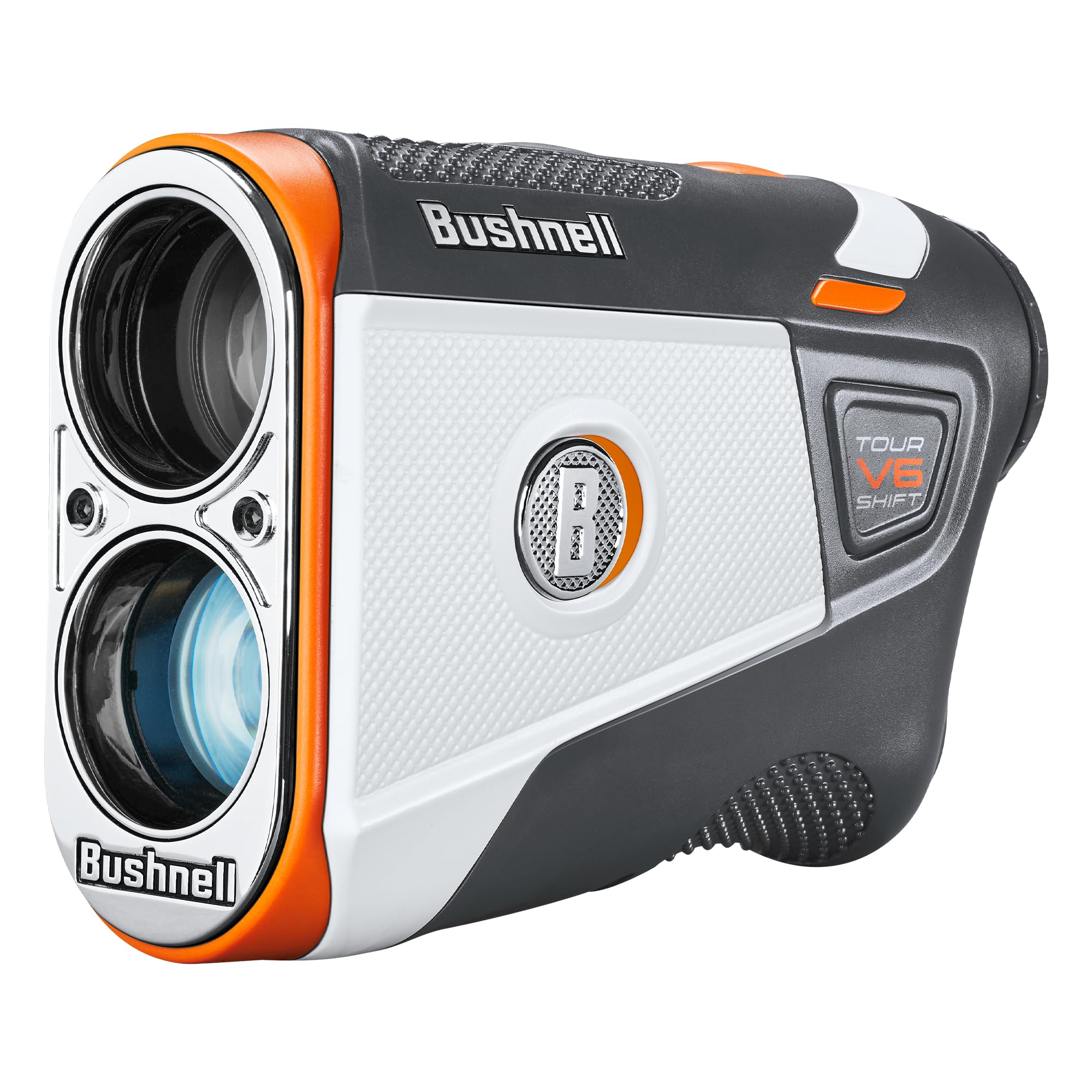
1. Bushnell Tour V6 Shift – Best golf rangefinder overall
If you want the safest premium recommendation in the category, start here. Bushnell has built a reputation that’s hard to argue with because its better rangefinders tend to feel dependable in the exact moments golfers care about most. You pull it out, find the flag, get the number, and move on without a bunch of second-guessing.
That’s the real selling point of the Tour V6 Shift. It isn’t just that the specs are good. It’s that the device feels composed and trustworthy on the course. Optics are sharp, flag acquisition is quick, and the overall experience feels polished in a way cheaper units usually don’t quite match.
The slope feature is worth having for practice rounds and casual play. Uphill and downhill shots fool plenty of golfers, especially on courses they don’t know well. Having a slope-adjusted number can save you from a lot of those “that looked perfect in the air” mistakes. Just remember to disable it in events where slope isn’t allowed.
Now for the obvious catch: price. Bushnell rarely wins the bargain conversation. What it wins is the long-term satisfaction conversation. If you play often and don’t want to wonder whether you should have bought the better one, this is the easiest recommendation on the page.
- Best for: serious golfers, frequent players, and buyers who want premium performance
- Slope: yes
- Why it made the list: best combination of speed, optics, trust, and ease of use
See Current Price →Opens Amazon. Affiliate link.
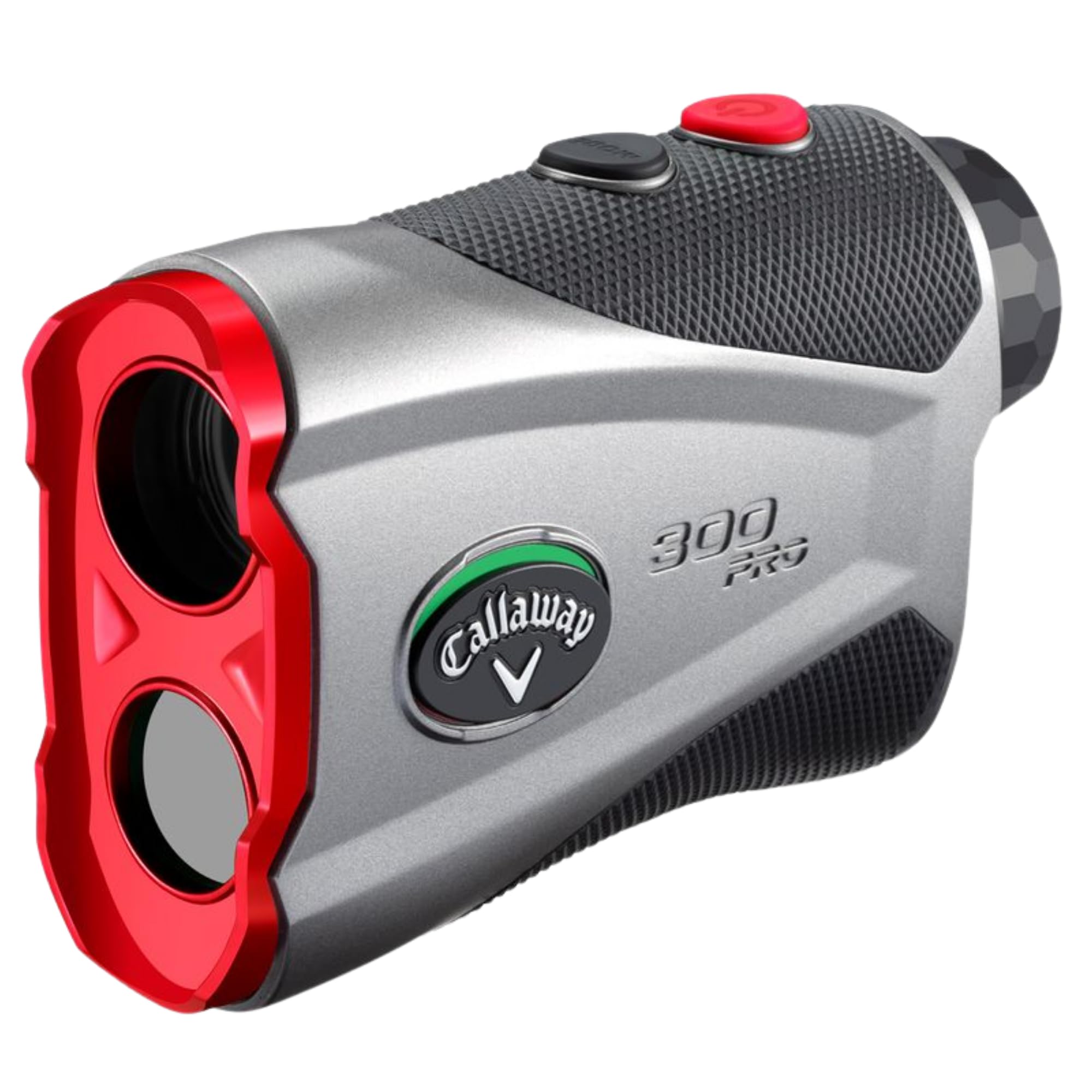
2. Callaway 300 Pro – Best golf rangefinder for value
The Callaway 300 Pro is the recommendation I’d give to a huge chunk of golfers because it lands in the sweet spot that matters most: useful features, dependable performance, and a price that doesn’t feel absurd. It has been one of the easiest value picks in the category for a while, and that still holds up.
What makes it work is that it doesn’t try too hard. You get slope-adjusted distance, solid target-lock behavior, and enough on-course reliability to feel like you’re using a serious piece of gear without paying Bushnell-level money. For a lot of golfers, that’s exactly the right balance.
It also fits the way most people actually play. Not everyone needs the sharpest optics or the most premium branding. Plenty of golfers just need cleaner yardages, better club selection, and fewer approach shots that come up one club short. The 300 Pro does that job well.
Its downside is refinement. Side by side with top premium models, it usually feels a bit less crisp and a bit less elevated. That doesn’t make it bad. It just means you’re getting value, not the absolute best experience in the category.
If your budget matters but you still want something you can trust, this is one of the strongest picks you can make.
- Best for: golfers who want strong performance without premium pricing
- Slope: yes
- Why it made the list: excellent value and one of the most practical buys in the category
Check Price →Opens Amazon. Affiliate link.
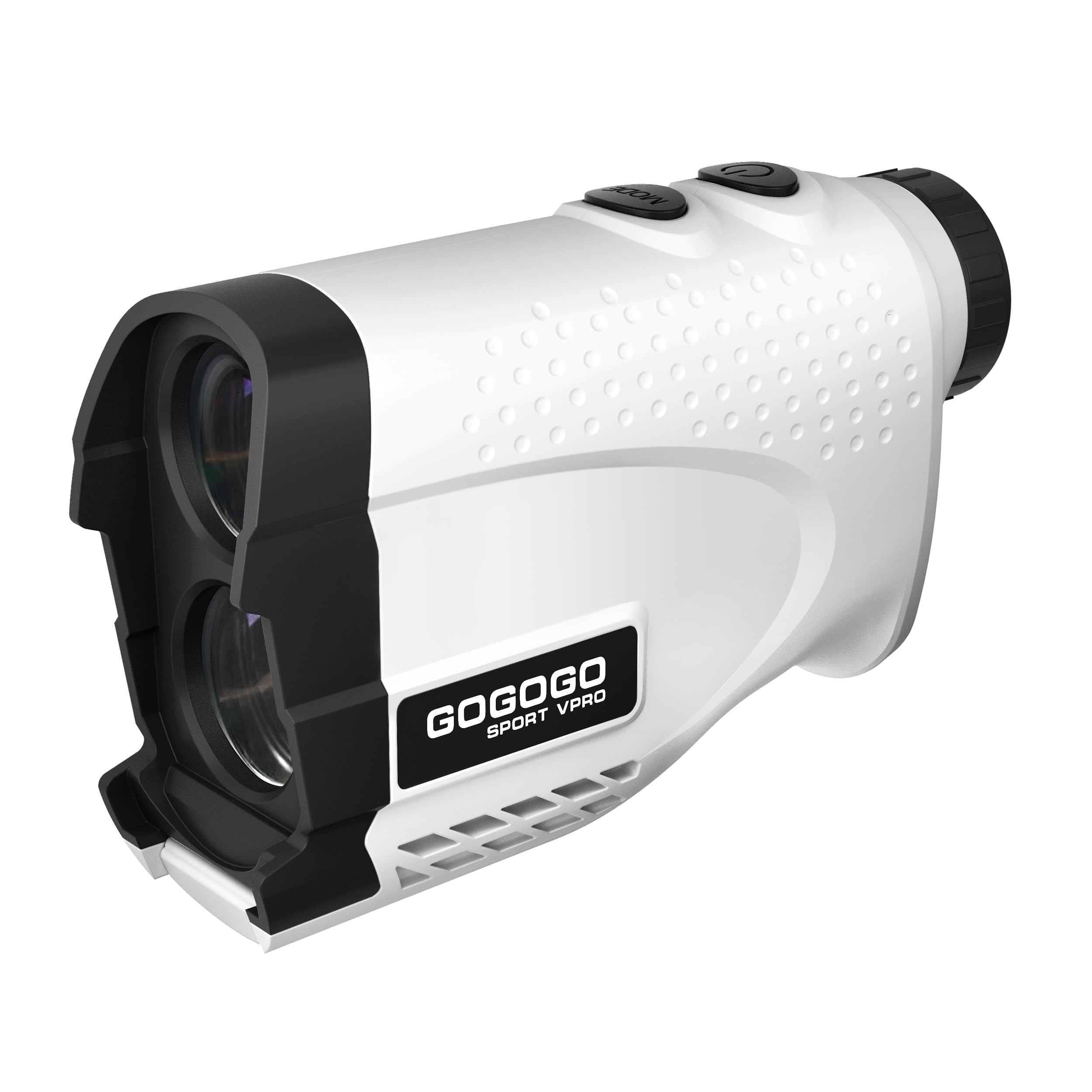
3. Gogogo Sport Vpro GS24 – Best budget golf rangefinder
This is the pick for golfers who want a real rangefinder without spending like they’re joining a tour van. The Gogogo Sport Vpro GS24 has become one of those budget-friendly devices people mention for a reason. It gives you a lot of the features casual golfers care about, including slope and flag-lock vibration, without pushing the price into painful territory.
That makes it appealing for occasional players, newer golfers, and anyone who has been living without a distance device and wants a clear upgrade. Going from guessing to getting a real number is a big improvement, even if you’re not using a premium model.
Of course, this is where the tradeoffs show up. Budget rangefinders can be a little less refined, a little less consistent, and a little more dependent on a steady hand. If you compare them side by side with top-end Bushnell or Nikon models, you’ll notice the gap. The question is whether that gap matters enough to justify spending more.
For plenty of buyers, it doesn’t. If you want something that gets you into the category at a much lower cost, this is one of the few cheap picks I’d actually feel okay recommending.
- Best for: budget-minded golfers and occasional rounds
- Slope: yes
- Why it made the list: one of the better low-cost ways to get useful rangefinder features
See Reviews →Opens Amazon. Affiliate link.
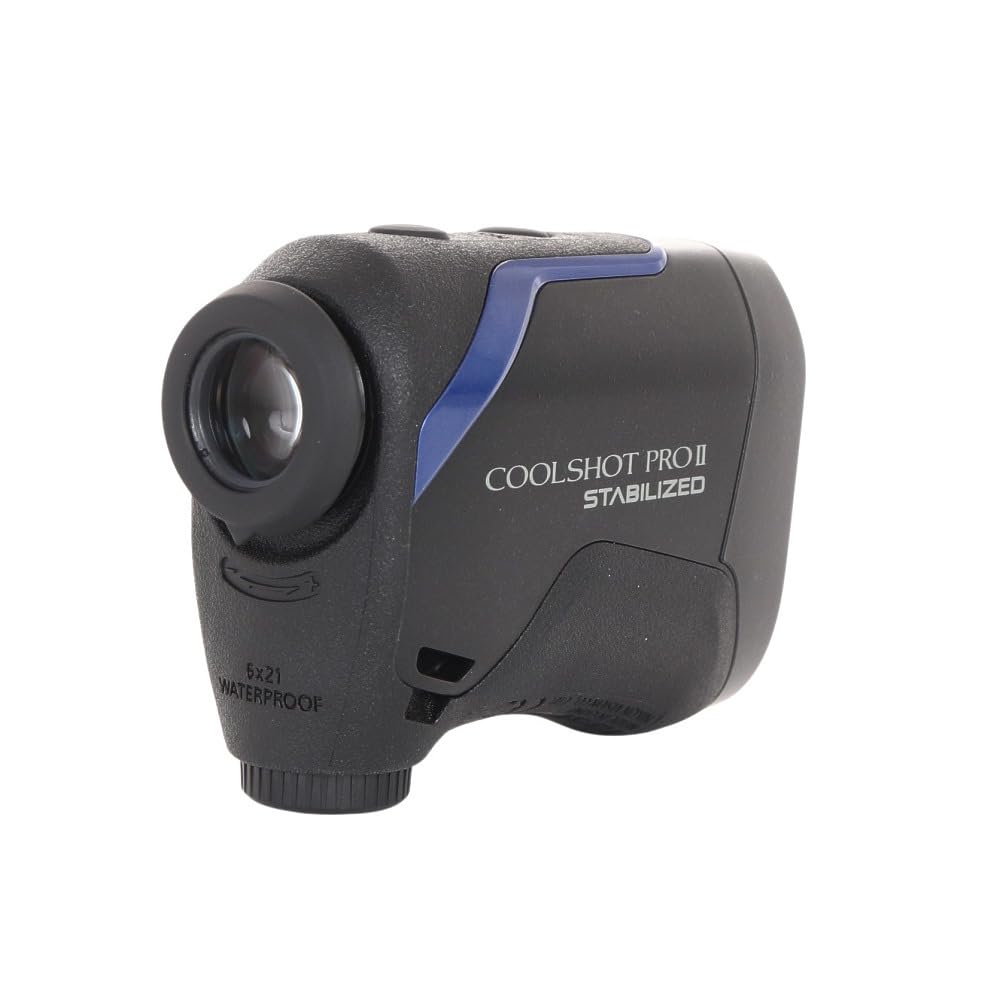
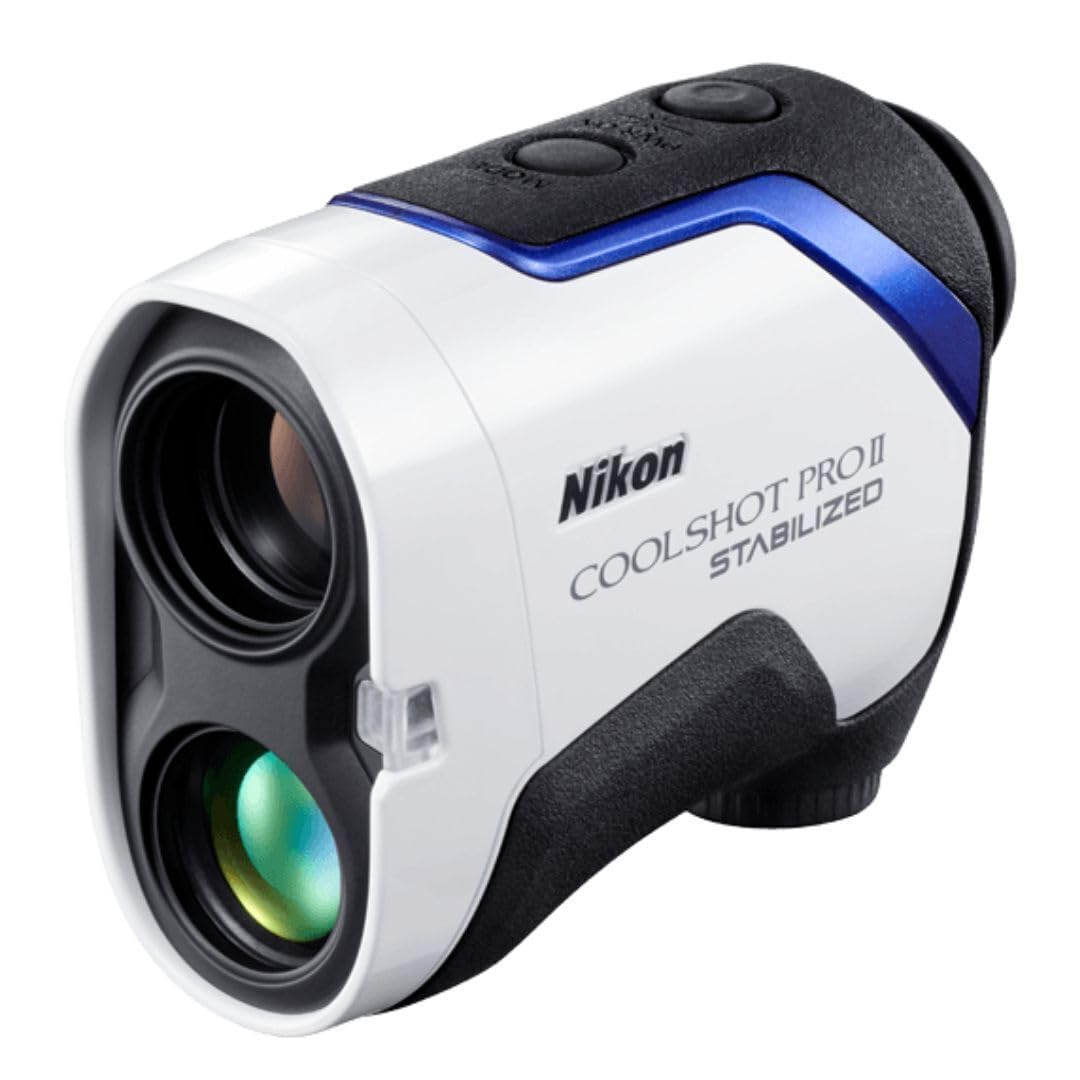
4. Nikon COOLSHOT PROII Stabilized – Best golf rangefinder for optics and shaky hands
Nikon’s angle in this category is smart. Instead of trying to copy everyone else, it leans into optics and stabilization, and that turns out to be genuinely helpful. If you’ve ever struggled to keep the target steady long enough to lock onto a flag, you already understand the appeal.
The stabilized view is the star here. Some golfers won’t care much. Others will try it once and wonder why more brands don’t prioritize the same thing. It’s especially useful if your hands shake a bit, you’re ranging longer targets, or you just get annoyed when the image dances around more than you’d like.
Nikon also benefits from its optics background. The image quality tends to look crisp, which helps the whole device feel premium even before you get into performance features. On the course, that cleaner view can make ranging feel quicker and less frustrating.
Why not rank it first? Because Bushnell still feels like the broadest, safest recommendation for the average golfer. Nikon is excellent, but it’s best for the buyer who specifically values stabilization and viewing comfort above all else.
- Best for: golfers who want a steadier view and better visual comfort
- Slope: yes
- Why it made the list: stabilization is a meaningful real-world advantage, not just a flashy extra
Check Price →Opens Amazon. Affiliate link.
5. Precision Pro NX10 Slope – Best golf rangefinder if you want a strong alternative to the usual big names
The Precision Pro NX10 Slope is a good answer for golfers who want something clearly better than bargain-bin options but don’t want to spend all the way up to premium Bushnell money. It lives in that useful middle lane where the product feels purpose-built for golfers instead of just technically capable.
One of the things people tend to like about Precision Pro is the overall usability. Features like a magnetic cart mount sound minor until you actually use them. Then they start feeling like the sort of thing every golf rangefinder should have. The same goes for quick reads and an interface that doesn’t get in your way.
It’s also a sensible fit for golfers who want modern features without obsessing over brand prestige. Bushnell has more status. Nikon has more optics cachet. Precision Pro wins on balance. That matters if you’re trying to make a smart purchase rather than chase the most recognizable logo.
The tradeoff is that it doesn’t quite dominate any single category the way Bushnell dominates premium trust or Nikon dominates stabilization. Still, it does enough things well that it earns a spot on a short list like this one.
- Best for: golfers who want a feature-rich middle-ground choice
- Slope: yes
- Why it made the list: practical design, golfer-friendly features, and solid all-around performance
See Current Price →Opens Amazon. Affiliate link.
How these golf rangefinders actually compare
Bushnell Tour V6 Shift is the premium pick. If you care most about fast readings, strong optics, and a device that feels dependable every time you grab it, it’s the best overall choice.
Callaway 300 Pro is the best value choice. It covers what most golfers need and usually does it at a noticeably friendlier price than top-tier premium options.
Gogogo Sport Vpro GS24 is the budget answer. It makes the most sense if you want the benefits of a rangefinder but don’t play enough to justify a bigger spend.
Nikon COOLSHOT PROII Stabilized is the best fit for golfers who want a steadier, easier viewing experience. If hand shake or target hold has ever been an issue for you, Nikon becomes much more interesting very quickly.
Precision Pro NX10 Slope is the middle-ground all-arounder. It’s a smart buy for someone who wants a golf-first product with useful convenience features and solid everyday performance.
If you’re rebuilding your golf setup more broadly, comfort upgrades matter too. A solid rangefinder pairs nicely with a walking-friendly shoe setup, and our guide to the best spikeless golf shoes is worth a look if that’s next on your list.
Common mistakes people make when buying a golf rangefinder
Paying for the most expensive model without knowing why. Premium devices are great, but not every golfer actually needs the absolute best optics and fastest target lock.
Buying the cheapest thing they can find and expecting it to feel premium. Budget rangefinders can be useful, but they usually give up something in clarity, speed, or consistency.
Overvaluing max range and undervaluing flag lock. You are far more likely to care about how cleanly it hits a flag than whether the box claims some giant long-distance number.
Ignoring slope rules. Slope compensation is helpful in practice and casual rounds, but it has to be turned off in events where the rules require it.
Not thinking about hand steadiness. If you struggle to hold a target cleanly, features like better optics or image stabilization can matter more than another small spec advantage.
FAQ
What is the best golf rangefinder right now?
For most golfers, the best golf rangefinder right now is the Bushnell Tour V6 Shift. It offers the strongest overall mix of speed, optics, trust, and on-course ease of use.
Are golf rangefinders worth it for average golfers?
Yes. Even average golfers benefit from getting cleaner yardages into greens and hazards. Better distance information usually leads to better club selection, which can save strokes quickly.
Is slope worth it on a golf rangefinder?
For practice rounds and casual play, absolutely. Slope helps you understand how uphill and downhill shots really play. Just make sure it can be disabled for tournament use if needed.
What’s the difference between a cheap golf rangefinder and an expensive one?
The biggest differences are usually optics, target-lock speed, build quality, and consistency. Premium units tend to feel faster and more trustworthy, especially with background clutter behind the flag.
Which golf rangefinder is best for shaky hands?
The Nikon COOLSHOT PROII Stabilized is one of the best choices for shaky hands because the stabilized view makes it easier to hold the target and lock onto the flag.
Can you use a golf rangefinder in tournaments?
Often yes, but it depends on the event rules. Rangefinders are commonly allowed, though slope-adjusted distance features usually must be disabled unless the competition says otherwise.
The Bushnell Tour V6 Shift is the best golf rangefinder for most people because it combines premium optics, fast readings, and the kind of on-course trust that makes the whole experience feel easier.
If you want the best value, go with the Callaway 300 Pro. If you want to spend less, the Gogogo Sport Vpro GS24 is the best budget pick here. If stability matters most, the Nikon COOLSHOT PROII Stabilized stands out. And if you want a balanced alternative, the Precision Pro NX10 Slope is a smart choice.