If you are shopping for the best rangefinder for golfers with shaky hands, the biggest difference-maker is not hype or extra magnification. It is how quickly the unit finds the flag, how clearly it confirms the lock, and how steady it feels in your hand during real rounds. The good news: you do not need perfectly still hands to get reliable yardages anymore. The best options now lean on fast pin acquisition, strong vibration feedback, clear optics, and shapes that feel secure instead of awkward.
After looking at the current search results, one pattern is obvious. Most ranking pages focus on the same handful of features: stabilization, quick flag lock, display clarity, and ease of use under pressure. That matches real-world golf pretty well. A rangefinder that is technically accurate but fussy to use is not much help on the 16th tee with your buddies waiting.
Disclosure: This article contains affiliate links. If you buy through them, I may earn a commission at no extra cost to you.
My short answer: the Bushnell Tour V6 Shift
is the best overall pick for most golfers with shaky hands because it locks fast, confirms the pin with a very obvious jolt, and does not ask much from you. Golfers who want true image stabilization should look hard at the Nikon Coolshot Pro II Stabilized. Budget shoppers can save serious money with the Callaway 300 Pro
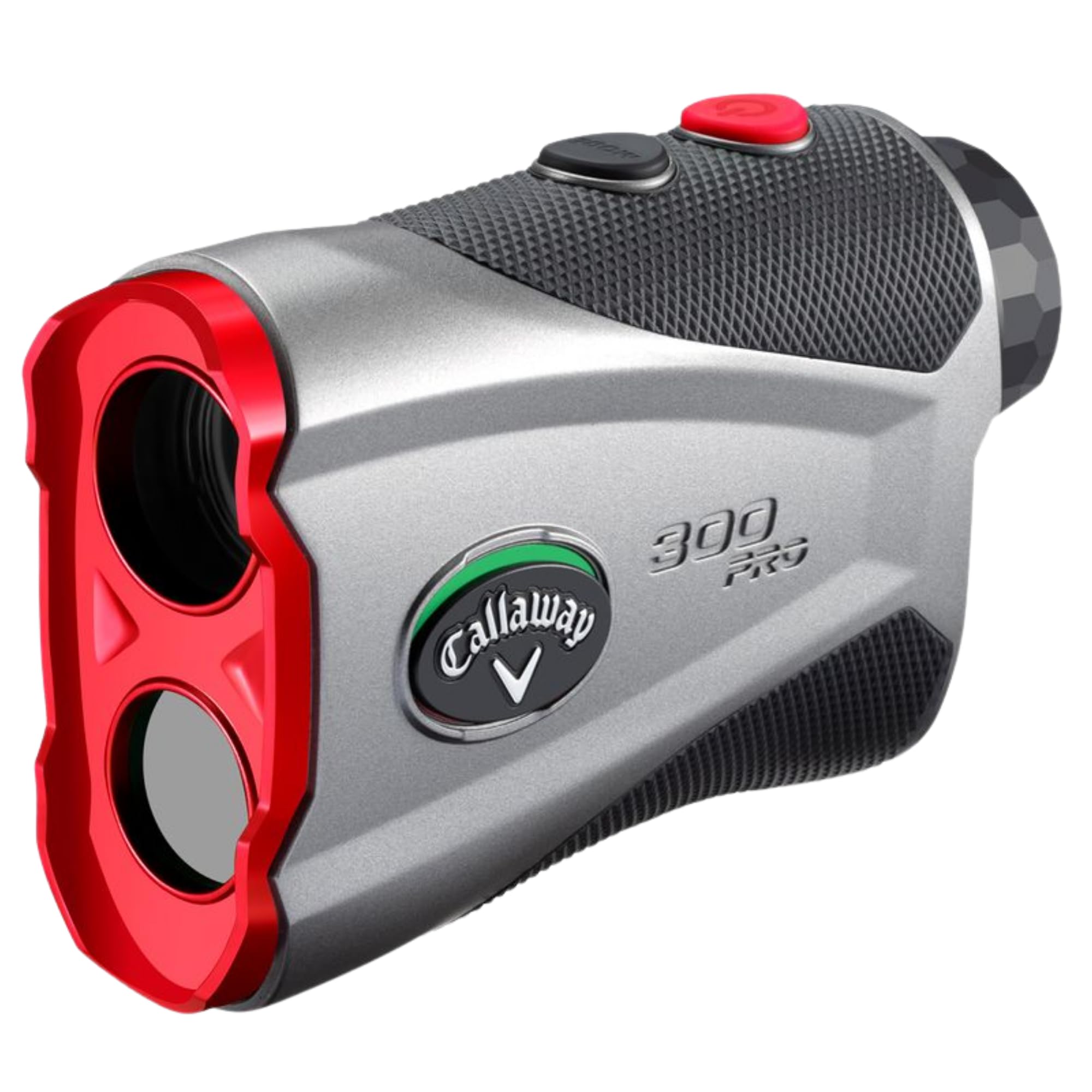
without getting stuck with junk.
Quick picks: best rangefinder for golfers with shaky hands
| Pick | Best for | Why it stands out | Link |
|---|---|---|---|
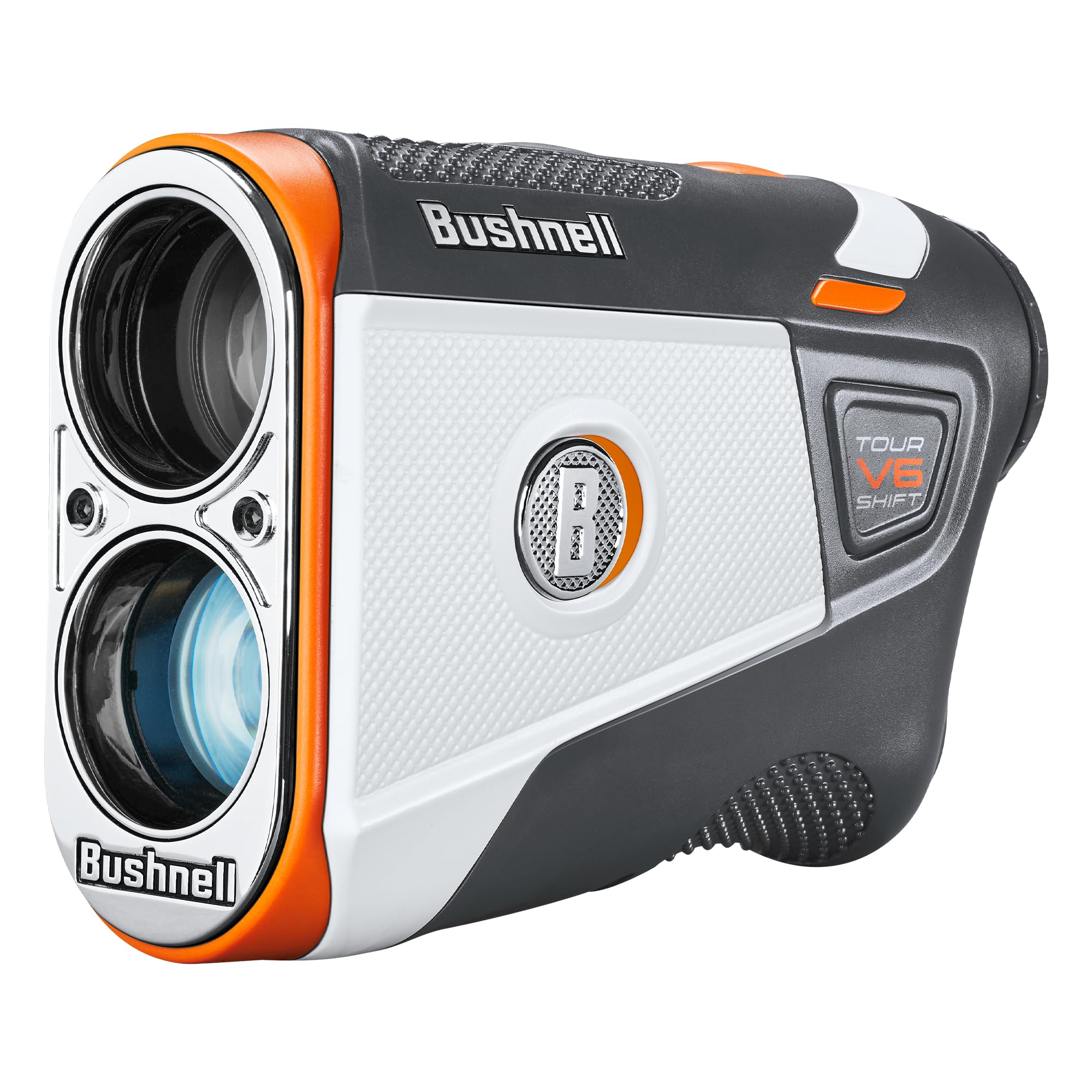
| Bushnell Tour V6 Shift | Best overall | Fast pin lock, strong JOLT feedback, excellent optics | See Current Price |
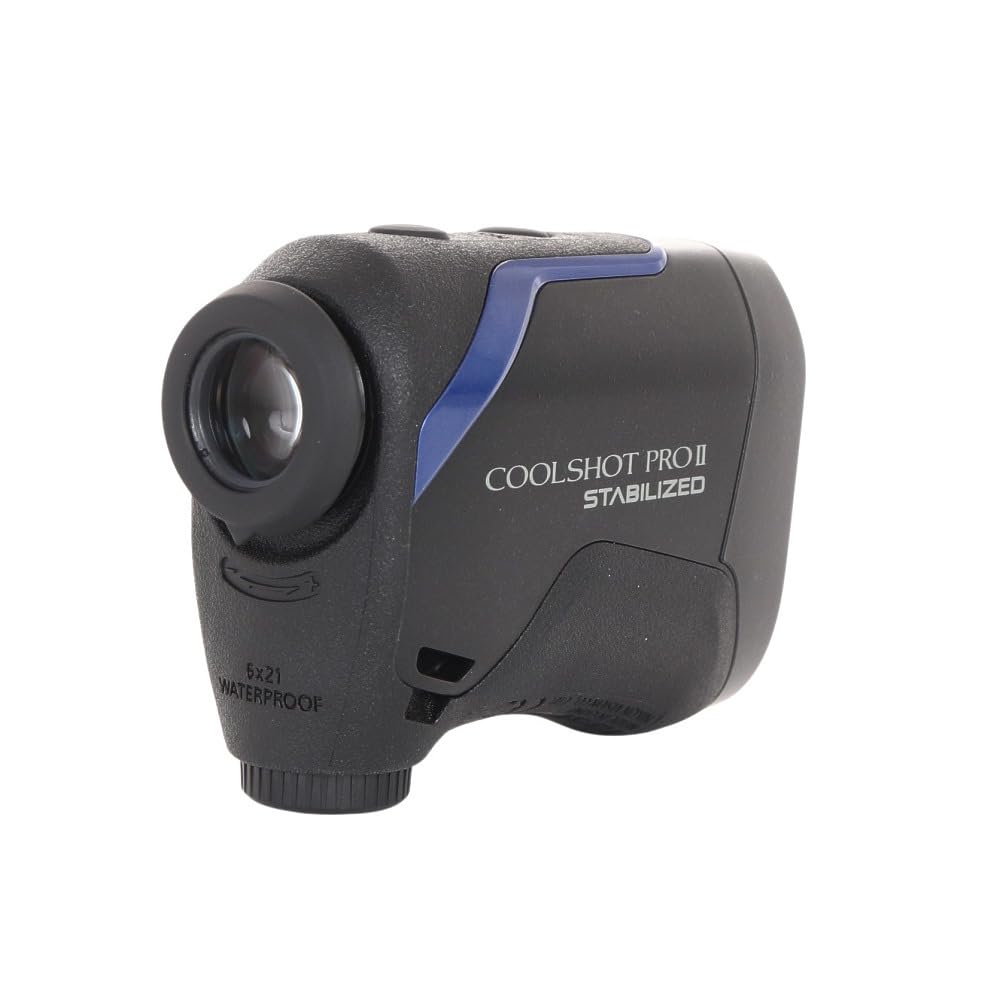
| Nikon Coolshot Pro II Stabilized | Best stabilized option | Real image stabilization plus premium optics | Check Price |
| Callaway 300 Pro | Best value | Pulse confirmation, easy controls, proven budget favorite | See Reviews |
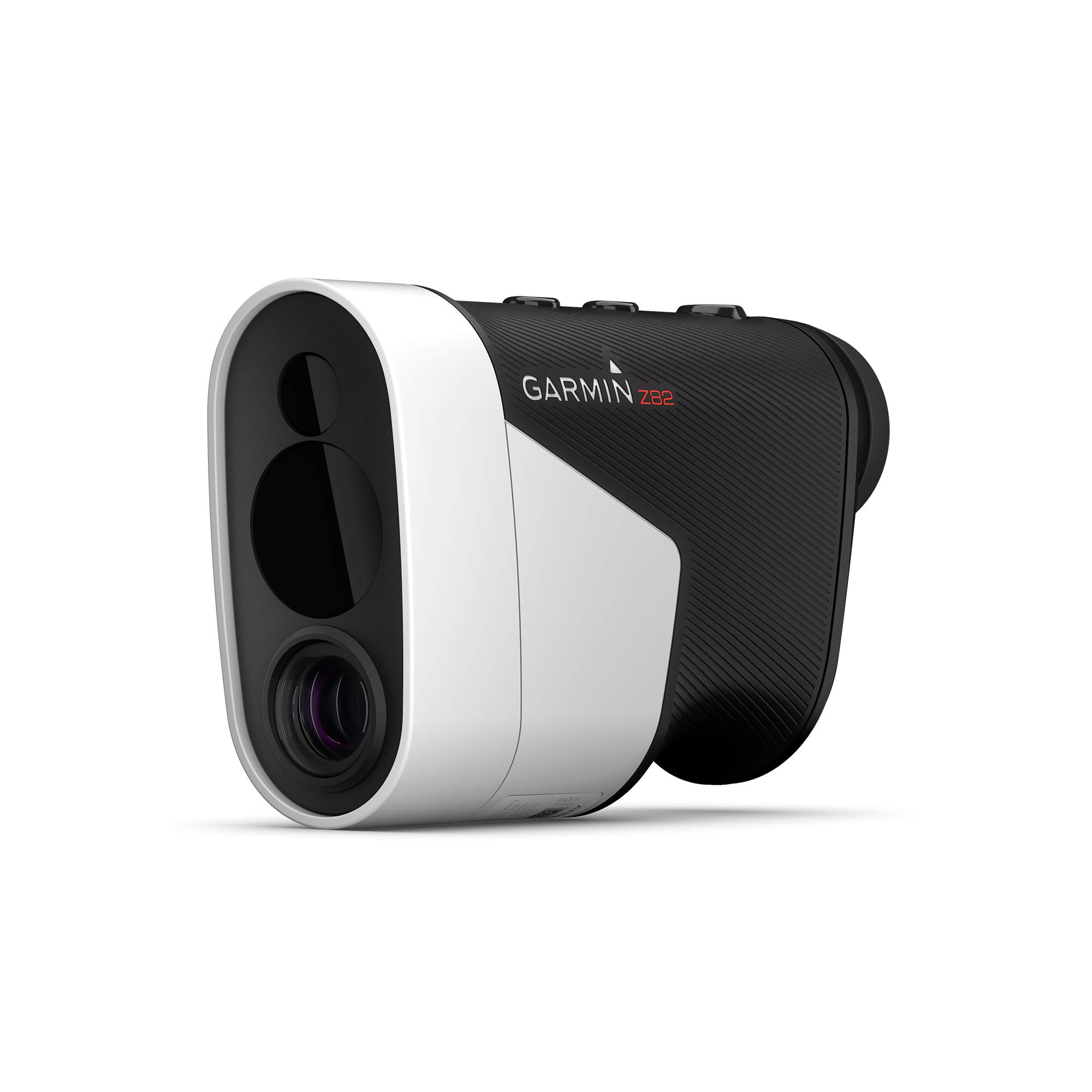
| Garmin Approach Z82 | Best for tech-heavy course management | Laser plus GPS overlays and image stabilization help | View Details |
| Acer 1200Y Anti-Shake | Best low-cost anti-shake pick | Rechargeable, magnet mount, feature set aimed at shaky-hand golfers | Check Today’s Price |
What actually makes the best rangefinder for golfers with shaky hands?
Marketing language can get silly in this category, so let’s strip it down. Three things matter most. First, the rangefinder needs to find the flag quickly instead of grabbing trees behind the green. Second, the confirmation has to be unmistakable. A strong vibration pulse or a visual flash removes a lot of doubt. Third, the body shape has to feel secure, not slick or awkward.
Magnification matters, but not as much as people think. Crisp optics and a bright display beat extra zoom on most days. A muddy viewfinder makes you hold the unit longer, and longer hold times make hand shake more noticeable. That is why some premium models feel easier to use even before you get into stabilization tech.
Best overall
1. Bushnell Tour V6 Shift
The safest bet for most golfers
The Tour V6 Shift earns the top spot because Bushnell has gotten very good at the one job that matters here: separating the flag from the background quickly. That sounds boring until you use cheaper lasers that keep bouncing from pin to tree line and back again.
Its Visual JOLT feedback is a huge part of the appeal. You get a clear vibration when the flag is locked, and that small bit of reassurance keeps you from second-guessing the number. Plenty of golfers with hand tremor do not need full stabilization; they just need a rangefinder that reads decisively and tells them so.
Optically, this is one of the cleanest views in the group. The display stays readable in bright light, the slope feature is easy to turn off for tournament rounds, and the magnetic mount is more useful than it looks on paper. Pulling the device off the cart, ranging the target, and snapping it back into place is a smoother routine than digging through a side pocket every hole.
The catch is price. Bushnell knows its position in the market and charges accordingly. Still, this is the model I’d recommend first because it asks for the fewest compromises.
See Current PriceOpens Amazon. Affiliate link.
Best stabilized option
2. Nikon Coolshot Pro II Stabilized
The one to buy when you want real stabilization
Some golfers do better with flag-lock speed. Others genuinely need the image in the viewfinder to calm down. That is where Nikon has a real edge. The Coolshot Pro II Stabilized reduces visible shake in the viewfinder, which makes aiming less frustrating and less tiring over a full round.
Nikon’s optics are excellent, and that shows up right away. The view is sharp, bright, and comfortable on the eye. Better still, the stabilization is not a gimmick. You can feel the difference when trying to settle the crosshair on a narrow flagstick from distance.
There is a tradeoff, though. Stabilized rangefinders can feel slightly different from the fast-jolt style that Bushnell users love. Some golfers adapt immediately; others need a couple of rounds before the rhythm feels natural. Once it clicks, the Nikon becomes a very convincing answer for golfers whose biggest issue is a wandering viewfinder rather than button simplicity.
Price lands firmly in premium territory, so this is not the value play. It is the specialty tool that earns its keep.
Check PriceOpens Amazon. Affiliate link.
Best value
3. Callaway 300 Pro
The value pick that still feels trustworthy
The Callaway 300 Pro has been around long enough to prove it is more than a cheap placeholder. For golfers with shaky hands, its biggest strength is how straightforward it feels. The controls are simple, the pulse confirmation is easy to notice, and the unit does not punish you for not being perfectly still.
Compared with premium Bushnell and Nikon models, the view is a little less refined and the target separation is not quite as sharp. Even so, the performance is good enough for the vast majority of recreational rounds, especially inside the distances where most players actually fire at flags.
This model makes the most sense for golfers who want help, not luxury. You still get slope, respectable accuracy, and a design that does not feel flimsy. That combination is why it remains one of the easiest budget recommendations in golf tech.
See ReviewsOpens Amazon. Affiliate link.
Best for tech-heavy course management
4. Garmin Approach Z82
For golfers who want more than just yardage
The Approach Z82 is not a simple laser, and that is both its charm and its complication. Garmin blends laser readings with GPS mapping and course overlays in the viewfinder, which can be a real benefit for golfers who want help with hazards, layups, and front-middle-back numbers in one device.
That extra data can reduce the pressure to hit a perfect laser read every time. On a shaky day, having useful backup information in the display is a genuine advantage. Garmin also includes image stabilization and vibration feedback, so the core laser function still works for the audience we care about here.
Now for the downside: this is a lot of device. Golfers who want one button and one number may find it too busy. Players who enjoy gadgets and play unfamiliar courses often will see the appeal immediately. I like it best for serious golfers who want strategy help as much as distance help.
View DetailsOpens Amazon. Affiliate link.
Best low-cost anti-shake pick
5. Acer 1200Y Anti-Shake
A budget-friendly wildcard with the right feature mix
The Acer 1200Y is the pick for shoppers who want modern conveniences without paying premium-brand money. It is rechargeable by USB-C, includes a magnetic mount, and leans hard into anti-shake messaging. Usually that kind of copy makes me skeptical, but this model at least lines up its feature set with the actual problem.
You are not getting Bushnell polish here. Build quality, long-term reputation, and optical refinement do not fully match the category leaders. On the other hand, plenty of golfers simply want a serviceable rangefinder that locks fast enough, vibrates clearly enough, and does not empty the wallet.
That is exactly where the Acer fits. It is the practical pick for cost-conscious golfers who still want something designed with unsteady hands in mind instead of a bare-bones generic laser.
Check Today’s PriceOpens Amazon. Affiliate link.
How the top picks stack up
Bushnell wins on pure all-around usability. Nikon wins on true stabilization. Callaway wins on value. Garmin brings the deepest feature set, while Acer offers the cheapest path to a shakiness-focused package.
For most players, the decision comes down to this: buy Bushnell when you want the cleanest no-drama experience, buy Nikon when the image itself needs calming down, and buy Callaway when budget matters more than premium optics. Garmin is for golfers who love data. Acer is for golfers who want a modern bargain and can live without elite fit and finish.
Common mistakes golfers make when buying a rangefinder for shaky hands
Chasing magnification first. A shaky 7x view is not automatically better than a crisp, fast 6x unit. Lock speed and optical clarity matter more.
Ignoring vibration feedback. A clear pulse or jolt is one of the easiest ways to cut doubt. Without it, you spend more time re-shooting targets.
Buying the cheapest no-name model available. This category is less forgiving than, say, a golf towel or divot tool. Poor target separation becomes maddening fast.
Overpaying for features you will never use. A hybrid GPS-laser model is cool, but a simpler Bushnell or Callaway may suit your round better.
Skipping ergonomics. Two rangefinders can look similar on a spec sheet and feel totally different in hand. Shape, grip texture, and button placement count.
Frequently Asked Questions
Do stabilized rangefinders really help with shaky hands?
Yes, especially for golfers whose biggest problem is a bouncing image in the viewfinder. Nikon’s stabilized models are the clearest example. Still, many golfers get almost the same practical benefit from a fast-locking unit with strong vibration confirmation, which is why Bushnell stays so popular.
Is vibration lock more useful than extra magnification?
For most golfers, yes. A strong lock confirmation shortens the whole process. More magnification can help at times, but it also exaggerates movement. Clean optics and quick confirmation tend to matter more on the course.
Can you use these rangefinders in tournaments?
Most of the models above include a slope on/off switch, which is the key detail. Turn slope off and they are typically legal under local rules that allow distance-measuring devices. Always check the event rules first, since tournament committees can be picky.
How should you hold a golf rangefinder to reduce hand shake?
Use both hands when possible, tuck your elbows in a bit, and brace yourself before firing. Leaning lightly against the cart can help too. Shorter aiming time also helps, which is one more reason quick pin acquisition matters.
Are GPS rangefinders better than laser models for golfers with tremors?
Sometimes. A GPS device removes the need to aim at the flag, which is appealing for golfers with stronger tremors. The downside is that GPS usually gives general yardages rather than exact pin numbers. Hybrid devices like the Garmin Z82 try to split the difference.
What is the best budget rangefinder for golfers with shaky hands?
The Callaway 300 Pro is still the safest budget recommendation because it balances price, usability, and trust. Golfers who want a rechargeable model with anti-shake-focused features can also look at the Acer 1200Y.
Final take
The best rangefinder for golfers with shaky hands is the one that reduces doubt fastest. Right now, that is the Bushnell Tour V6 Shift for most players. Golfers who need real stabilization should spend up for the Nikon Coolshot Pro II Stabilized. Budget-conscious buyers can feel good about the Callaway 300 Pro.
None of these will turn shaky hands into perfectly still hands. What they can do is make the number arrive faster, more clearly, and with a lot less frustration. That is the whole point.