If you’re searching for the best golf ball for high handicap play, the goal is usually pretty simple: hit more tee shots that stay in play, keep enough ball speed to protect distance, and avoid paying tour-ball prices for performance you may not use yet. High-handicap golfers usually benefit more from lower driver spin, easy launch, and predictable feel than from ultra-premium short-game spin. That’s the lens for this list, with a mix of forgiving value balls and a couple of better-player options for golfers who are improving fast.
That’s the lens for this list. I prioritized low-spin or mid-low-spin models that help misses stay playable, with a couple of slightly more premium options for improving players who want more control without jumping all the way to a Pro V1-type profile.
Disclosure: This article contains affiliate links. If you buy through them, we may earn a commission at no extra cost to you.
Quick Picks: Best Golf Ball for High Handicap Golfers
| Golf ball | Best fit | What stands out | Price check |
|---|---|---|---|
| Callaway Supersoft | Most golfers with moderate swing speed | Soft feel, solid distance, easy launch | See Current Price |
| Bridgestone e12 Straight | Slicers and hookers who want straighter drives | Built to knock down side spin | Check Price |
| Srixon Q-Star | Players wanting distance without a marshmallow feel | Firmer flight with respectable short-game touch | See Reviews |
| Titleist Tour Soft | Golfers who care about consistency and feel | Refined all-around performance | Check Price |
| TaylorMade Tour Response | Improving high handicaps ready for more greenside control | Urethane feel without full tour-ball spin | See Current Price |
What makes the best golf ball for high handicap players?
The biggest scoring leak for many higher-handicap players starts before the ball ever reaches the green. A tee shot that curves 35 yards offline creates punch-outs, penalty strokes, and rushed recovery swings. Less spin off the driver won’t fix a bad swing, but it can shrink the damage. That matters.
Compression matters too, though not in the exaggerated way golf marketing sometimes suggests. Moderate-speed players usually play better with a softer or mid-compression ball because they can launch it more easily and get a friendlier feel off irons and putter. Faster swingers who still carry a high handicap often need something different: lower long-game spin, yes, but not an overly mushy cover that feels vague on full shots.
Price belongs in the conversation as well. Losing three balls a round with a $55-per-dozen model is rough. Playing a ball you can afford with confidence tends to beat using a premium model you’re scared to swing.
For golfers with slower swing speed, there’s some overlap here with our guide to the best golf balls for slow swing speed, especially around softer compression and easy launch.
The 5 best golf balls for high handicappers
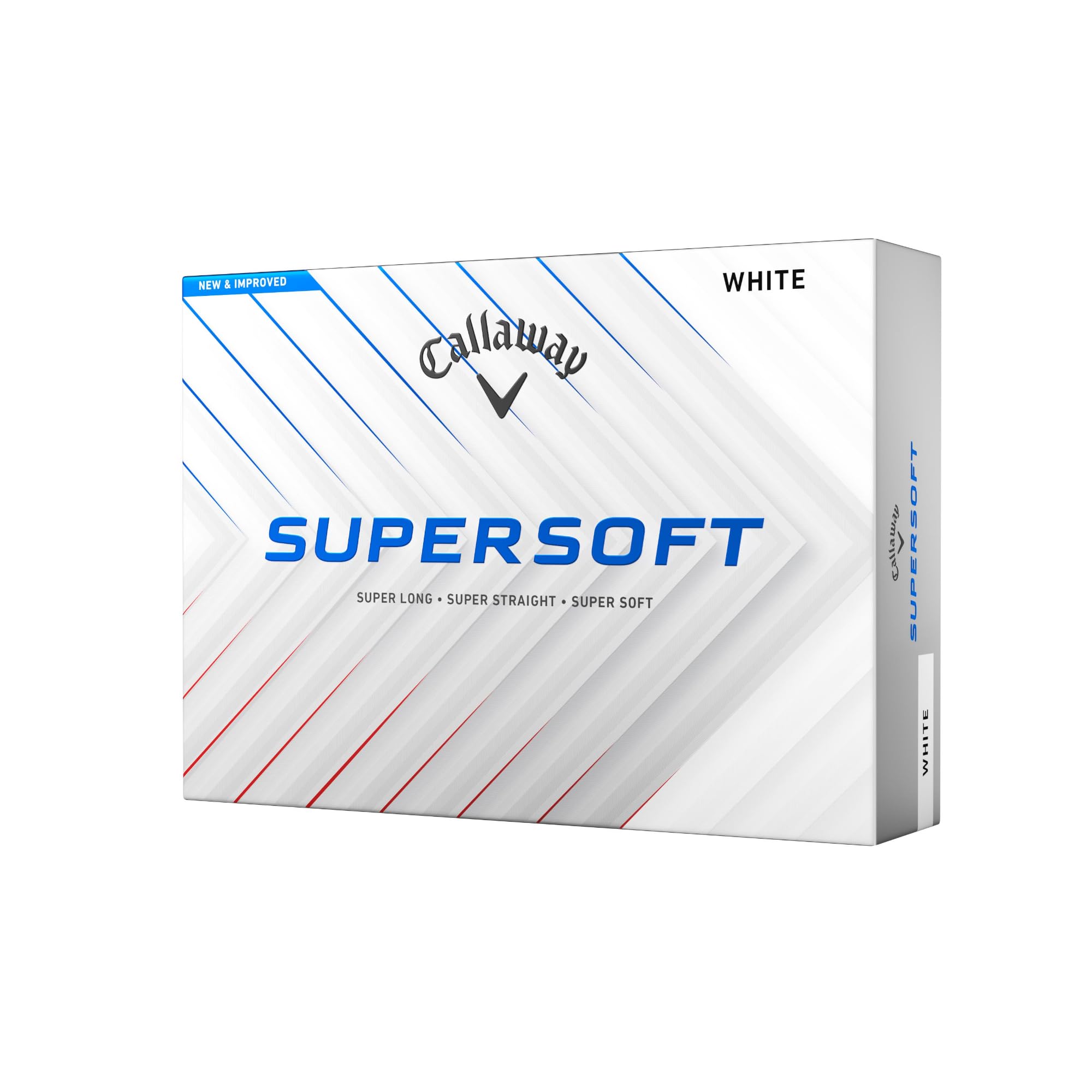
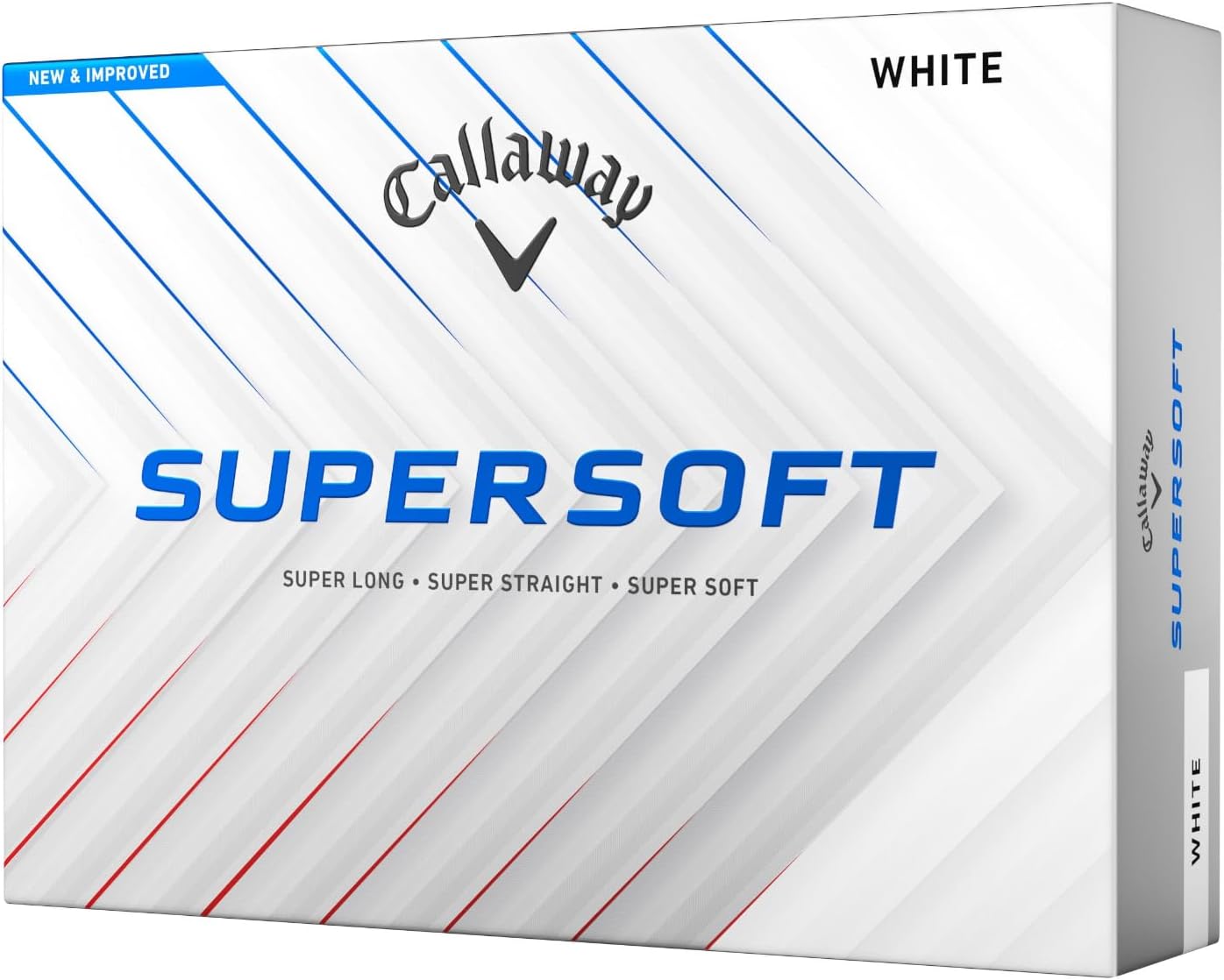
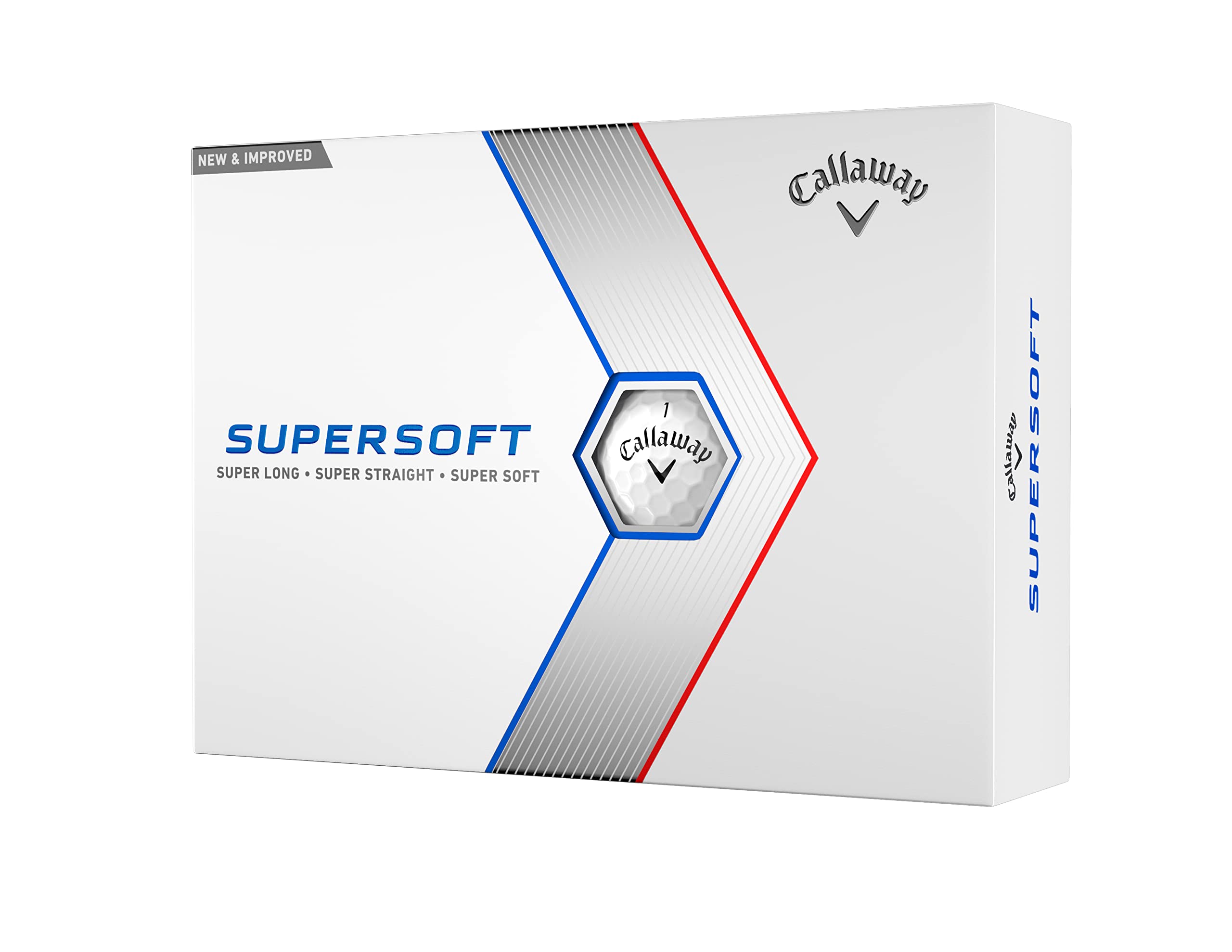
Callaway Supersoft , Best overall for most high handicappers
Supersoft is the safest recommendation in this category because it does a lot well without feeling extreme in any one direction. The ball launches easily, feels soft off the face, and gives moderate-speed players a good shot at holding onto distance that might disappear with a firmer, lower-launch option.
What I like most is the balance. Supersoft isn’t just a bargain-bin distance ball with no finesse. Around the greens, it’s predictable enough that you can learn one basic chip-and-release and trust the rollout. Off the tee, it keeps things calm. Players battling a wipey slice won’t suddenly turn into shot shapers, but they also won’t see the ball balloon and peel as aggressively as they might with a spinnier premium design.
The soft feel is a genuine plus for plenty of players, especially on putts and partial wedges. Some golfers will find it too muted, though. Players with faster speed sometimes want a crisper hit and a little more structure through the bag. Still, for the broad middle of high handicappers, this is the easiest ball on the list to recommend.
See Current PriceOpens Amazon. Affiliate link.
Bridgestone e12 Straight , Best for reducing curve off the tee
Some golf balls claim to go straighter in a vague, hand-wavy way. Bridgestone built the e12 Straight around that exact goal, and this is one of the few models in the category where players often notice the difference quickly. Misses still miss, but the ball tends to stay in the same zip code.
Players whose scorecards get wrecked by one shape should pay attention here: the high-right slice, the double-cross hook, or that ugly over-correction between both. Less side spin means less punishment, and for a high handicapper that can be worth more than a little extra greenside check.
The catch is price. The e12 Straight often sits above the usual budget-ball tier, so you’re paying a bit more for the anti-curve design. I think that trade is fair for players who lose strokes mainly from tee-ball chaos. Anyone who already drives it reasonably straight may get better value elsewhere.
Check PriceOpens Amazon. Affiliate link.
Srixon Q-Star , Best for a firmer, more stable flight
Q-Star has a different personality from Supersoft. The feel is firmer, the flight is a touch more assertive, and the overall package suits players who want help without feeling like they’re hitting a pillow. That firmer character can be a very good thing for high handicappers with decent speed who dislike ultra-soft balls.
Srixon also does a nice job threading the needle between long-game discipline and short-game usefulness. You’re still not buying a tour-level spin monster, but you do get enough grab on chips and short irons to avoid the dead, clicky distance-ball vibe some players hate.
This is one of my favorite picks for golfers who are improving fast and don’t want to outgrow their ball in two months. A brand-new player may prefer something softer and cheaper. A player with a stronger move through the ball may find Q-Star lands in a very comfortable middle lane.
See ReviewsOpens Amazon. Affiliate link.
Titleist Tour Soft , Best premium-feeling option without going full tour ball
Tour Soft is for the golfer who wants a more polished feel than the typical value ball but still benefits from a forgiving, non-tour profile. The standout here is consistency. Titleist tends to deliver a very dependable product, and that matters more than people admit. High handicappers already have enough variables in the swing. The ball doesn’t need to add another one.
On the course, Tour Soft gives you solid speed, a clean feel off the putter, and better touch than many two-piece balls in its class. It won’t slash sidespin to the bone the way a straighter-flight specialist can, yet it avoids the excess spin that makes premium urethane balls tricky for players who struggle to control the face.
The downside is simple: cost. Tour Soft lives close to premium pricing without being a true premium urethane model. For golfers who care about feel and brand consistency, that premium can make sense; bargain hunters may see it differently.
Check PriceOpens Amazon. Affiliate link.
TaylorMade Tour Response , Best for improving players who want more short-game control
Tour Response is the most aspirational pick here. I wouldn’t hand it to every 25-handicap by default, but it makes a lot of sense for the player who’s still a high handicap on paper while clearly trending down. Maybe the driver is getting more reliable. Maybe wedge contact is better. Maybe breaking 90 is starting to look realistic instead of imaginary. This ball fits that stage.
The urethane cover gives you a more premium response on scoring shots, and that extra control can be useful once you start noticing the difference between a shot that releases six feet and one that releases 16. At the same time, Tour Response is usually friendlier than a full-blooded tour ball off the long clubs.
Less polished ball-strikers may not get enough benefit to justify the price. Plenty of high handicappers would score better with something cheaper and straighter. Still, for the golfer who wants a ball to grow into instead of out of, Tour Response is a smart bridge option.
See Current PriceOpens Amazon. Affiliate link.
How these golf balls compare
Supersoft is the broadest fit. It suits moderate swing speeds, feels easy to like, and usually lands at a friendlier price than the more refined options. Start there unless you have a strong reason not to.
Bridgestone e12 Straight is the specialist. Golfers bleeding shots from slices or hooks should put this near the top of the list. A little less curve can save strokes faster than a little more wedge spin.
Q-Star sits in the middle with a firmer, more athletic feel. That profile suits players who swing with some speed and don’t want the very soft sensation common in this category.
Tour Soft leans into feel and consistency. It’s a polished choice, though not a budget one.
Tour Response brings the most short-game upside of the bunch, and also asks the most from your swing to justify the spend.
Common mistakes high handicappers make when buying golf balls
- Buying the ball your favorite pro plays. Pro V1, TP5, and Chrome Tour are excellent, but excellent for whom matters. Many high handicappers launch those balls too spinny and too expensive.
- Chasing wedge spin before fixing driver dispersion. Straighter tee shots usually save more strokes than fancy one-hop chips.
- Ignoring feel on the putter. Something that feels awful on 30 putts a round isn’t the right ball just because it looked good on a launch monitor.
- Mixing random found balls during the same round. Distance gaps, flight windows, and green-side rollout all change. Consistency gets nearly impossible.
- Paying tour-ball prices while still losing several balls per round. Confidence matters. So does not flinching at every water carry.
Which golf ball should most high handicappers start with?
For most golfers in this category, I’d start with Callaway Supersoft or Bridgestone e12 Straight. Supersoft is the better all-around value-and-feel play. e12 Straight is the sharper fix for golfers who are tired of watching decent swings bend too far offline.
Players with a bit more speed who dislike very soft compression should give Srixon Q-Star a hard look. Golfers who are improving quickly and want more finesse around the greens can step toward TaylorMade Tour Response. Titleist Tour Soft fits the player who values a clean, premium feel and trusts Titleist’s consistency enough to pay for it.
FAQ
What is the best golf ball for a high handicapper?
For most players, Callaway Supersoft is the safest pick because it blends soft feel, easy launch, solid distance, and forgiving flight at a reasonable price. Players fighting a big slice may get more help from Bridgestone e12 Straight.
Should high handicappers use soft golf balls?
Many should, especially those with moderate or slower swing speed. Softer balls can launch more easily and feel better on short shots. Faster swingers sometimes do better with a slightly firmer option like Srixon Q-Star.
Do low-spin golf balls help a slice?
They can help reduce how much the ball curves, which often turns a disaster into a playable miss. They won’t erase a slice, but less spin off the driver usually means less sideways movement.
Are premium urethane golf balls worth it for high handicappers?
Sometimes, but only for the right player. Improving golfers who already make decent contact and want more greenside control can benefit from balls like TaylorMade Tour Response. Many others will score better with a cheaper, straighter model.
How many layers should a high handicap golf ball have?
Two-piece balls are still a great fit for plenty of high handicappers because they tend to be lower spin, durable, and affordable. Three-piece models can make sense for players who want a little more feel and short-game control without going fully premium.
Is an expensive golf ball better for high handicappers?
Not automatically. A more expensive ball often adds spin and finesse that better players can use. Higher handicappers usually gain more from forgiveness, simple flight, and value than from tour-level shotmaking features.