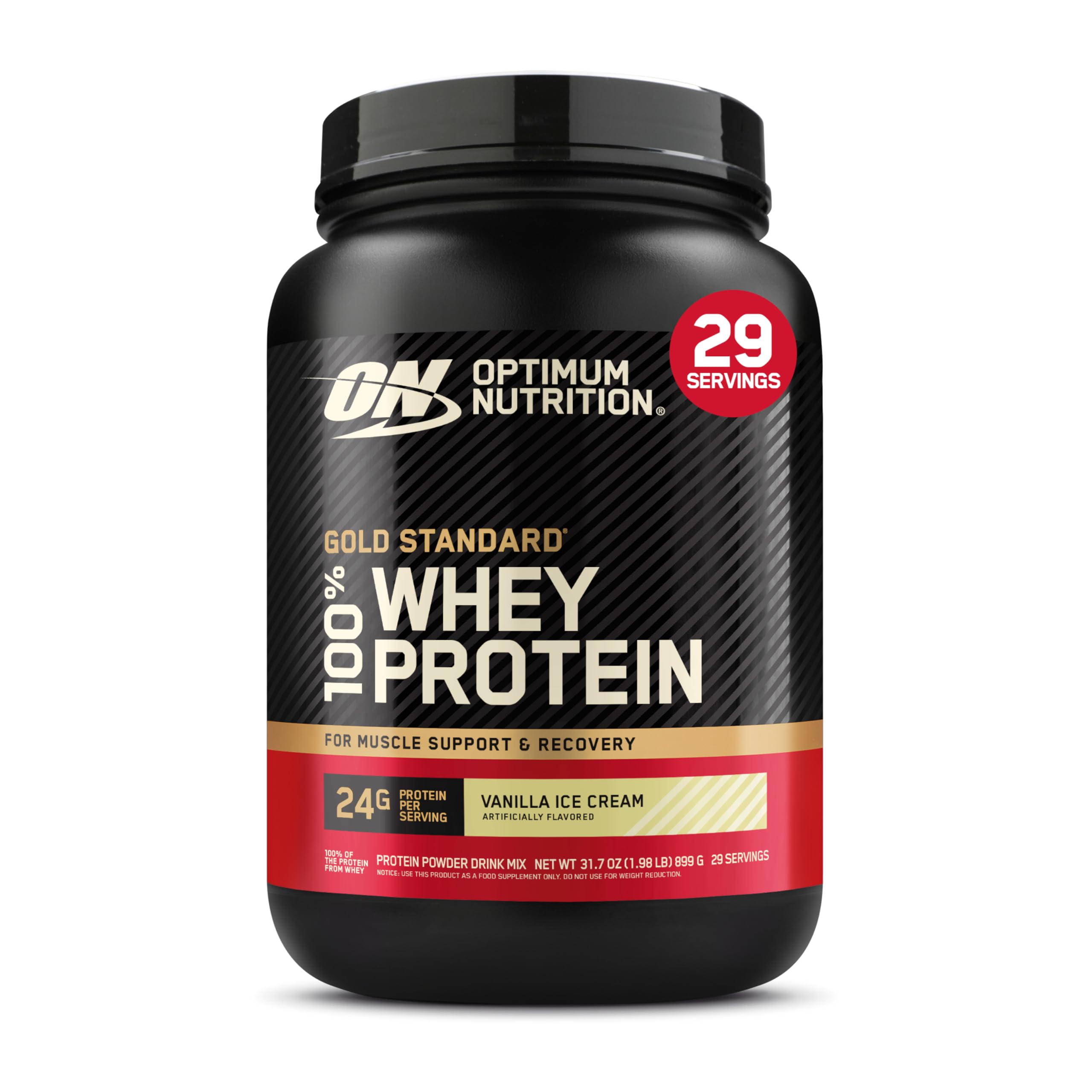
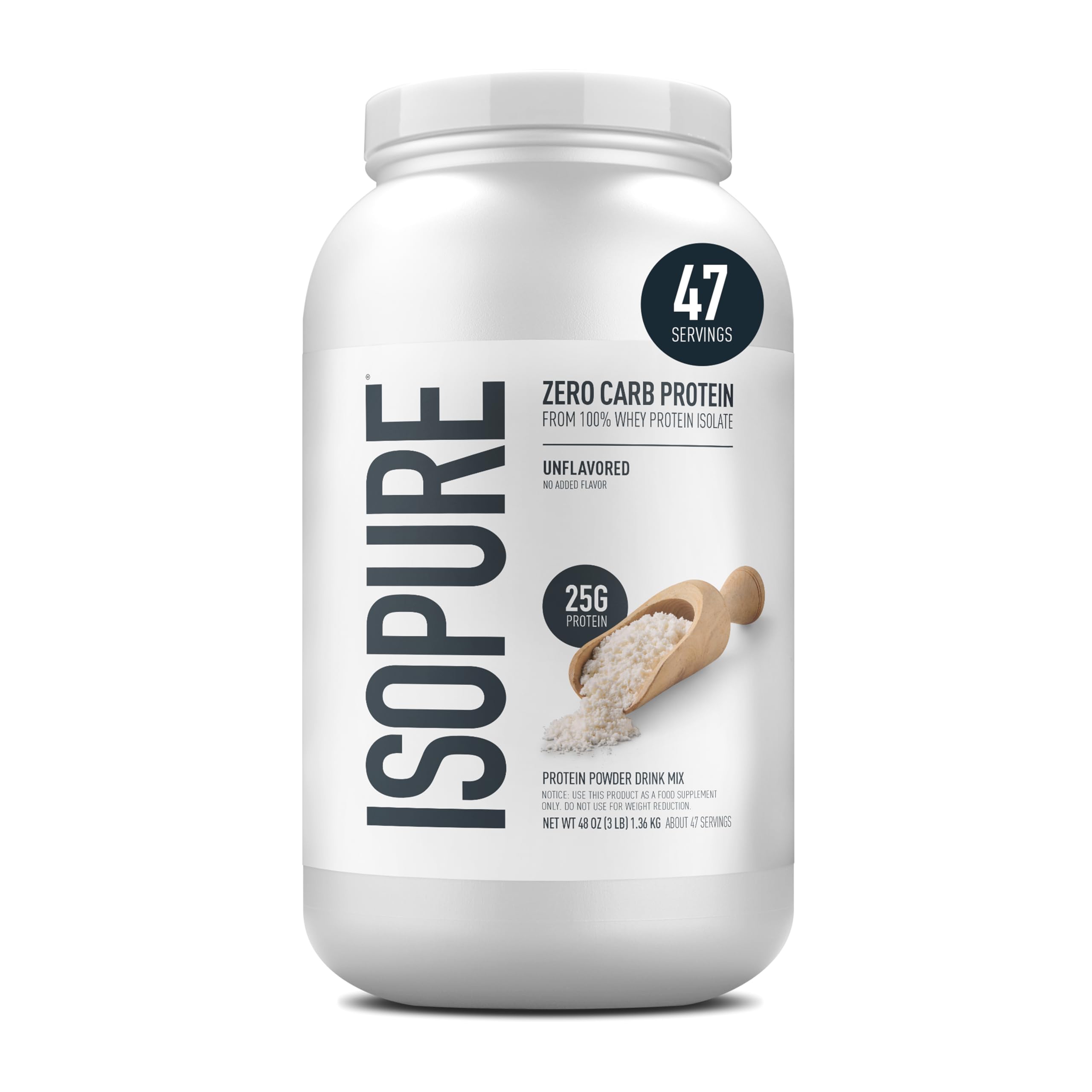
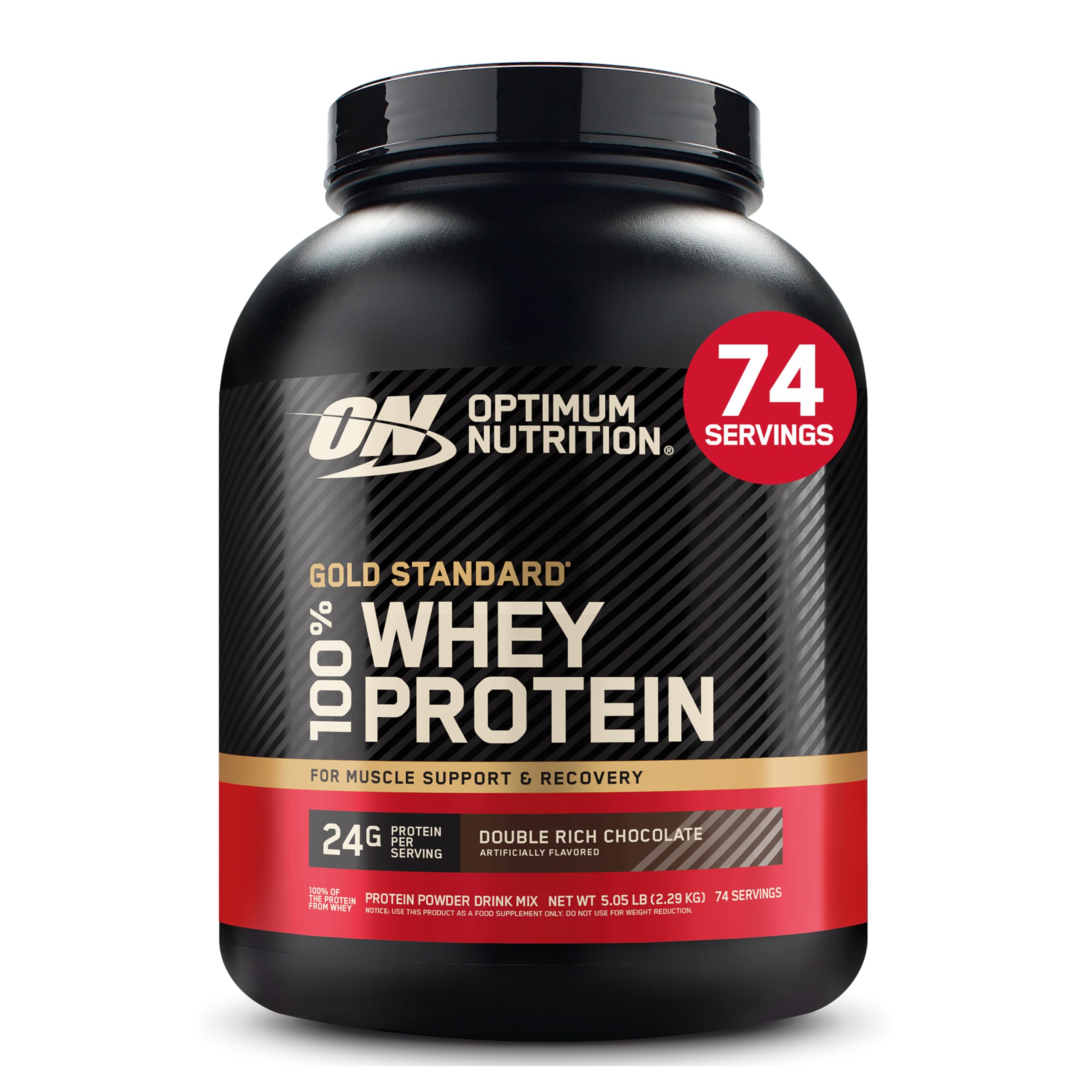
If you have ever browsed the protein powder aisle and wondered what beef protein isolate actually is, or why anyone would choose it over a classic whey shake, this guide is for you. It is not a niche product reserved for hardcore bodybuilders. Beef protein isolate has quietly become one of the more practical options for people who want solid protein support without the dairy.
Below, you will find a clear breakdown of what it is, how it is made, and how it stacks up against whey so you can make a confident choice.
This blog post may contain affiliate links. If you purchase through these links, we may earn a small commission at no extra cost to you. We only recommend products we believe in.
What Is Beef Protein Isolate?
Beef protein isolate is a high-concentration protein supplement derived from bovine sources, primarily hides, bones, and connective tissue. Through a process called hydrolysis and multi-stage filtration, the raw material is broken down, purified, and dried into a fine powder.
The end result is typically 90 to 97 percent protein by weight, with most of the fat, carbohydrates, and cholesterol removed. It does not taste like beef jerky or a burger. Most versions are flavored and mix into shakes similarly to any other protein powder.
Because it comes from collagen-rich tissue, beef protein isolate naturally contains a broader mix of amino acids than some other protein sources, and in many formulas, you will find small amounts of naturally occurring creatine as well.
How Is Beef Protein Isolate Made?
The production process goes through several key stages:
- Raw material sourcing: Manufacturers use bovine hides, cartilage, and bones, which are byproducts of the meat industry rather than prime cuts.
- Hydrolysis: The raw material is broken down using water, heat, and sometimes enzymes. This separates protein chains and makes them easier for the body to absorb.
- Filtration and purification: Multiple filtration passes remove fat, moisture, and impurities, concentrating the protein content significantly.
- Drying and powdering: The concentrated protein liquid is spray-dried into a fine powder.
- Flavoring and mixing: Most finished products have flavors, sweeteners, and sometimes added vitamins or creatine mixed in.
This process is what allows a product made from collagen-rich tissue to still deliver a complete amino acid profile, even though collagen on its own is not a complete protein. Many manufacturers blend collagen hydrolysate with other beef-derived fractions to round out the amino acid profile, particularly for leucine, which drives muscle protein synthesis.
Worth noting: not all beef protein products are created equal. Look for products that specify the amino acid profile on the label, particularly leucine content, since this matters most for muscle building and recovery.
Beef Protein Isolate vs Whey: How Do They Compare?
This is the comparison most people are actually trying to make. Both are complete protein sources. Both can support muscle recovery, body composition goals, and general protein intake. The differences come down to source, digestion, taste, and specific use cases.
| Feature | Beef Protein Isolate | Whey Protein |
| Source | Bovine hides, bones, collagen | Dairy (milk byproduct) |
| Lactose Free | Yes | Depends on type |
| Complete Amino Profile | Yes | Yes |
| Contains Creatine | Yes (naturally) | No |
| Digestibility | High | Very high |
| Taste | Tends to be richer, less chalky | Can be chalky or artificial |
| Best For | Dairy sensitive, muscle support | Post-workout, general use |
Where Beef Protein Isolate Wins
Lactose sensitivity is the clearest win. Whey comes from milk, and while whey isolate has most lactose removed, traces remain and can still cause issues for some people. Beef protein isolate has zero dairy content.
It also tends to produce less bloating for people who struggle with dairy proteins. If your post-shake experience with whey involves discomfort or digestive noise, a beef-based option is worth trying.
Taste is another area where many people are surprised. Whey protein, particularly lower-cost versions, can have a chalky texture and an artificial aftertaste that is hard to mask. Beef protein isolate generally has a richer, smoother texture when flavored, and many people find it noticeably more pleasant to drink. It tends to blend cleaner and leave less of that lingering dairy sweetness.
The naturally occurring creatine is a small but real bonus, especially if you are not supplementing creatine separately.
Where Whey Still Has an Edge
Leucine content and digestibility speed are where whey typically leads. Whey protein is absorbed quickly and has a well-established leucine advantage, which matters if you are drinking a post-workout shake immediately after training and want fast amino acid delivery.
Whey is also generally less expensive per serving. Beef protein isolate tends to cost more due to the more complex processing involved.
For most general fitness goals, the difference in absorption speed will not matter much in practice. But if you are a competitive athlete timing nutrition very precisely around training sessions, whey may still have a slight edge there.
Who Should Consider Beef Protein Isolate
Beef protein isolate makes the most sense if you:
- Have a dairy allergy or lactose sensitivity and want to avoid whey entirely
- Have tried whey and found it causes bloating, gas, or digestive discomfort
- Want a protein source that does not come from dairy for personal or dietary preference reasons
- Simply prefer the taste and texture of a non-dairy protein shake
- Are already eating a low-dairy or carnivore-style diet and want your supplements to match
It is not a better product than whey in every situation. But for the right person, it is a genuinely better fit.
What to Look for When Buying Beef Protein Isolate
Not every beef protein product on the market is worth your money. A few things to check before buying:
- Protein per serving: Look for at least 20 to 25 grams per serving. Anything significantly lower suggests a lower-quality formulation.
- Amino acid profile listed: A quality product will show the full amino acid breakdown, particularly leucine content. Aim for at least 1.5 to 2 grams of leucine per serving.
- Minimal unnecessary additives: Some products pack in a lot of fillers, artificial flavors, and thickeners. Cleaner ingredient lists are generally a better sign.
- Third-party testing: Look for NSF Certified for Sport, Informed Sport, or similar certifications if purity matters to you.
- Transparent labeling: Avoid proprietary blends that hide how much of each ingredient is actually included.
Pricing ranges widely. Expect to pay more per serving than budget whey, but comparable to mid-range whey isolate. If the price seems unusually low, check whether the product uses a full beef protein isolate or a mostly collagen base with limited muscle-relevant amino acids.
Frequently Asked Questions
Does beef protein isolate actually taste like beef?
No. Flavored versions taste like chocolate, vanilla, or whatever flavor the brand uses. The base protein has a mild, neutral flavor once processed and flavored. Most people cannot identify it as beef-derived at all.
Is it suitable for people following a paleo or carnivore diet?
Yes. Beef protein isolate fits both paleo and carnivore dietary frameworks since it is entirely animal-derived and dairy-free. Always check the specific product for any non-compliant additives.
Can I use it the same way as whey protein?
Yes. You can use it in shakes, smoothies, oatmeal, or baked goods the same way you would use whey. It mixes well with water or milk alternatives. Some people find it slightly thicker than whey depending on the brand.
Is beef protein isolate safe for people with food allergies?
It is free from dairy, gluten, and soy in most formulations, making it a good option for people with those sensitivities. Always check the label for any allergen warnings specific to that product’s manufacturing facility.
How does it compare for building muscle?
For most people, the practical difference in muscle building between beef protein isolate and whey is small when total daily protein intake is adequate. The key driver of muscle growth is consistently hitting your overall protein targets, not which specific supplement you use. Both can support that goal effectively.
Bottom Line
Beef protein isolate is a legitimate, well-formulated protein option that deserves more attention than it gets. It is not a marketing gimmick. For anyone dealing with dairy sensitivity, whey intolerance, or simply wanting a better-tasting shake, it is worth a serious look.
Whey is still excellent and holds its place as the most widely used protein supplement for good reason. But beef protein isolate fills a real gap, and for the right person, it may actually be the better daily choice.
When comparing products, focus on amino acid quality, leucine content, third-party testing, and clean ingredients over brand marketing. The fundamentals matter more than the label.
Prices and product availability are subject to change. Always check current product details before purchasing. This content is for informational purposes and is not a substitute for advice from a registered dietitian or healthcare provider.