TLDR
- Standard grips work for 80% of golfers with medium hands and moderate swing speeds
- Oversized grips reduce grip pressure by 15-20% for players with arthritis or large hands
- Corded grips provide 40% better traction in wet conditions compared to rubber grips
- Replace grips every 12-18 months or 40 rounds, whichever comes first
What grip size should I choose?
Your hand size determines grip diameter. Measure from your wrist crease to middle fingertip. Under 7 inches needs undersize grips, 7-8.75 inches uses standard, and over 8.75 inches requires midsize or jumbo grips. Wrong sizing affects your release and shot direction.
Grip thickness directly impacts your swing. Thicker grips reduce hand action and help slicers, while thinner grips increase hand rotation for players who hook the ball.
Should I get corded or rubber grips?
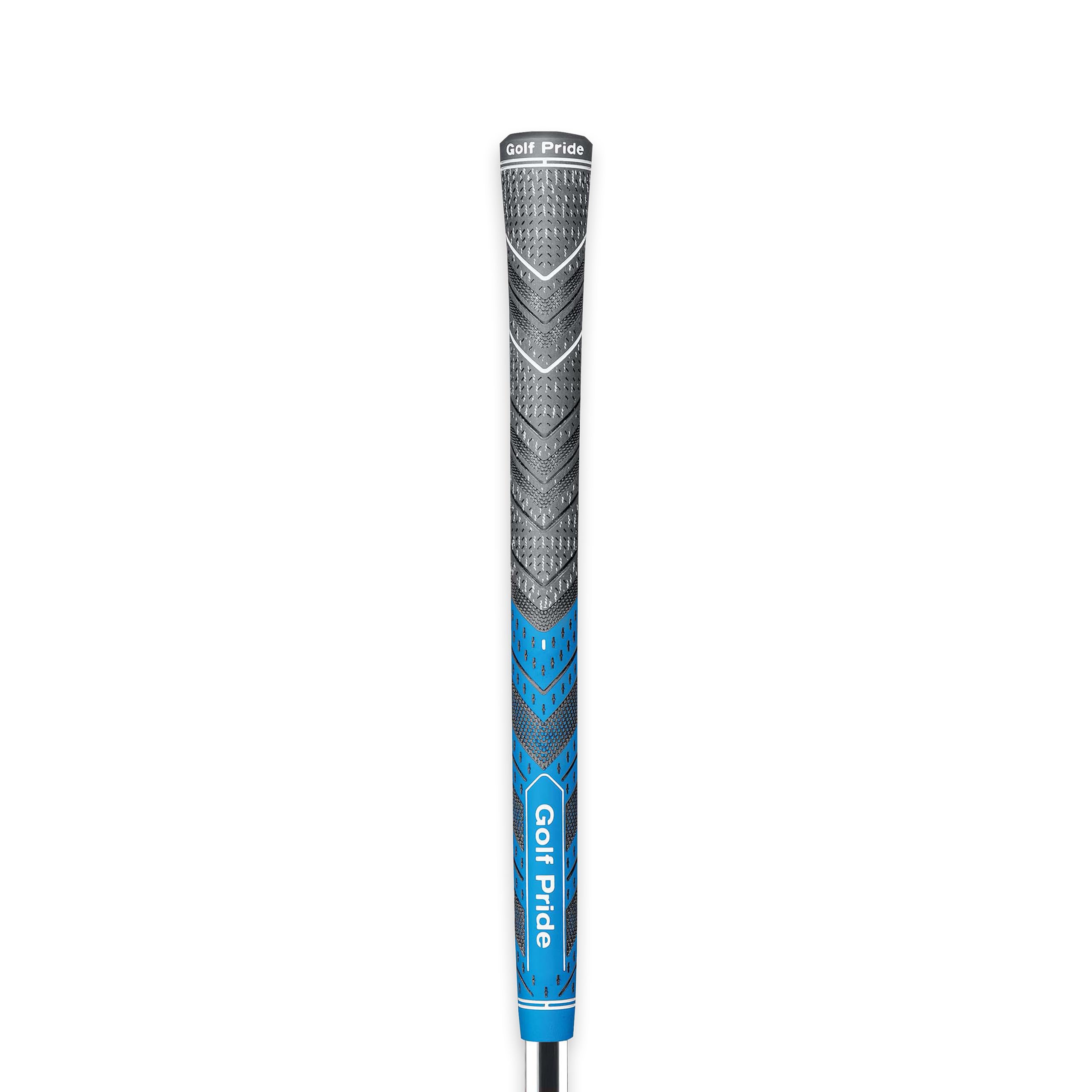
Corded grips contain fabric threads that increase friction. They’re essential if you play in humid conditions or have sweaty hands. Tour professionals use corded grips 70% of the time.
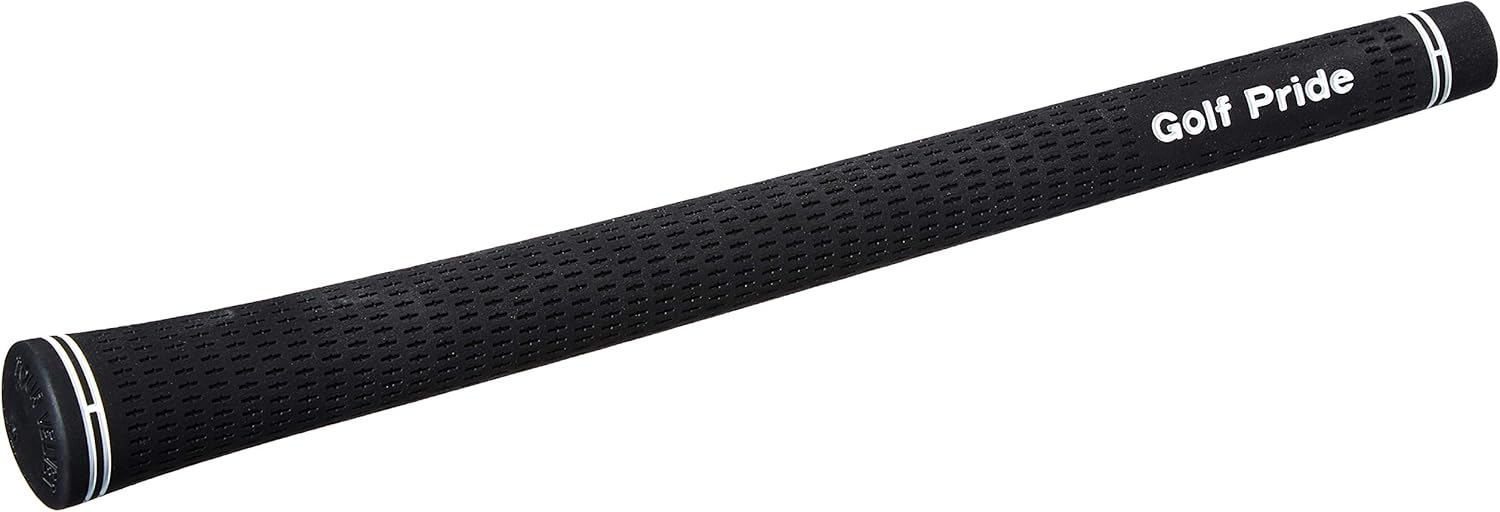
Rubber grips offer more cushioning and comfort but less traction. They work best in dry climates or for golfers with sensitive hands.
How often do grips need replacement?
Grips lose tackiness and become slippery after extended use. Hard grips force you to squeeze tighter, reducing clubhead speed and accuracy. Most golfers should replace grips annually, but high-volume players need replacement every 6-8 months.
Key Takeaways
- Standard grip size accommodates golfers with 7-8.75 inch hand measurements from wrist to middle fingertip
- Corded grips provide 40% better wet weather performance than traditional rubber alternatives
- Golf grips should be replaced every 12-18 months to maintain optimal tackiness and performance