More players are using wood bats than ever before-not just because some leagues require them, but because serious players have figured out that training with wood is one of the fastest ways to sharpen swing mechanics. The tight sweet spot forces discipline. The honest feedback on mishits teaches hand-path. And when a player finally makes consistent contact on maple, adjusting to metal or composite feels almost trivially easy.
But wood bats aren’t all the same. Wood species, turning model, construction quality, and intended use case all matter-and buying the wrong bat is a frustrating and often expensive mistake. These five picks cover the main player types and use cases, from pro-model game bats to value practice options.
FTC Disclosure: This article contains affiliate links. We may earn a commission if you buy through them, at no extra cost to you.
Quick picks
| Pick | Best for | Wood | Profile type |
|---|---|---|---|
| Marucci AP5 Pro Model Maple | Best overall / power hitters | Maple | Large barrel, end-loaded feel |
| Louisville Slugger MLB Prime C271 | Best ink-dot certified balanced bat | Maple | Medium barrel, balanced swing |
| Victus V-Cut Hard Maple | Best for contact hitters | Hard maple | Pro-cut, balanced feel |
| Marucci JB19 Pro Model Maple | Best for gap/balanced hitters | Maple | Medium-large barrel, balanced |
| Louisville Slugger Genuine Mix | Best value practice bat | Mixed | Balanced, affordable training bat |
The 5 best wood baseball bats
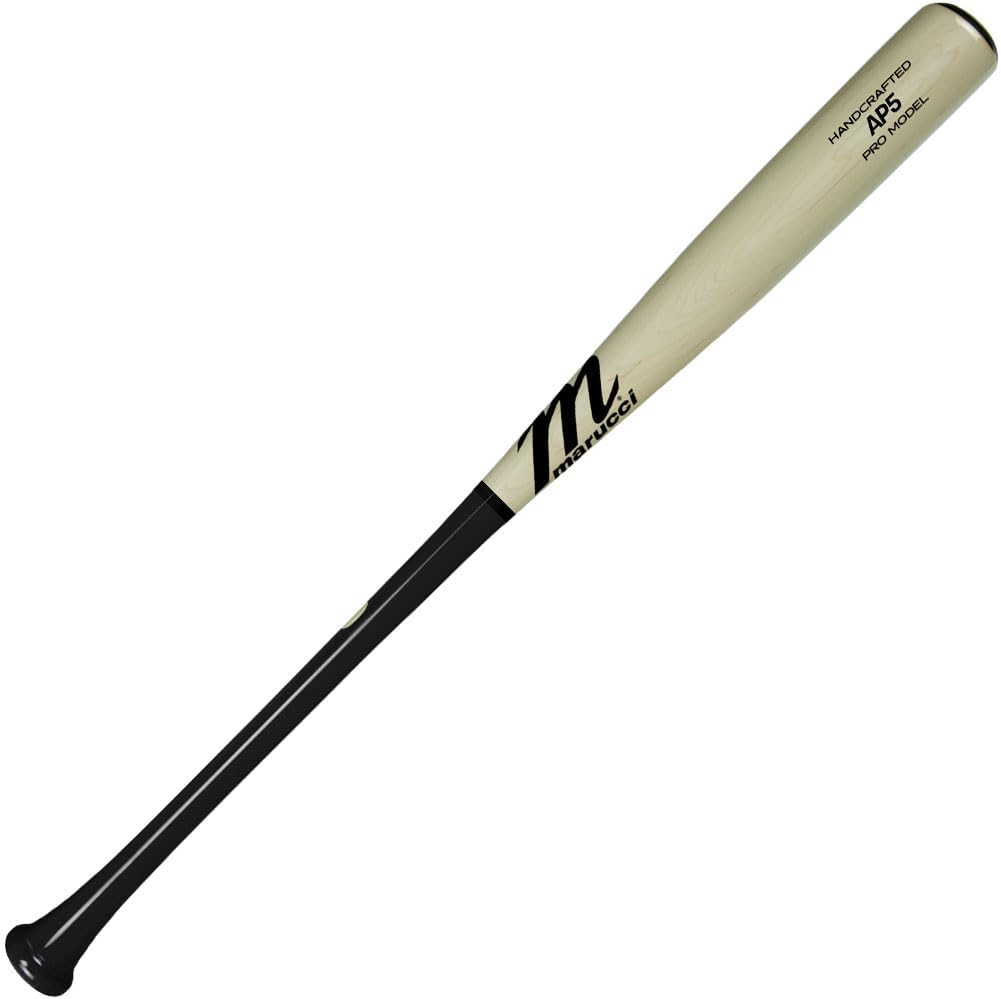
1) Marucci AP5 Pro Model Maple – Best overall wood bat for power hitters
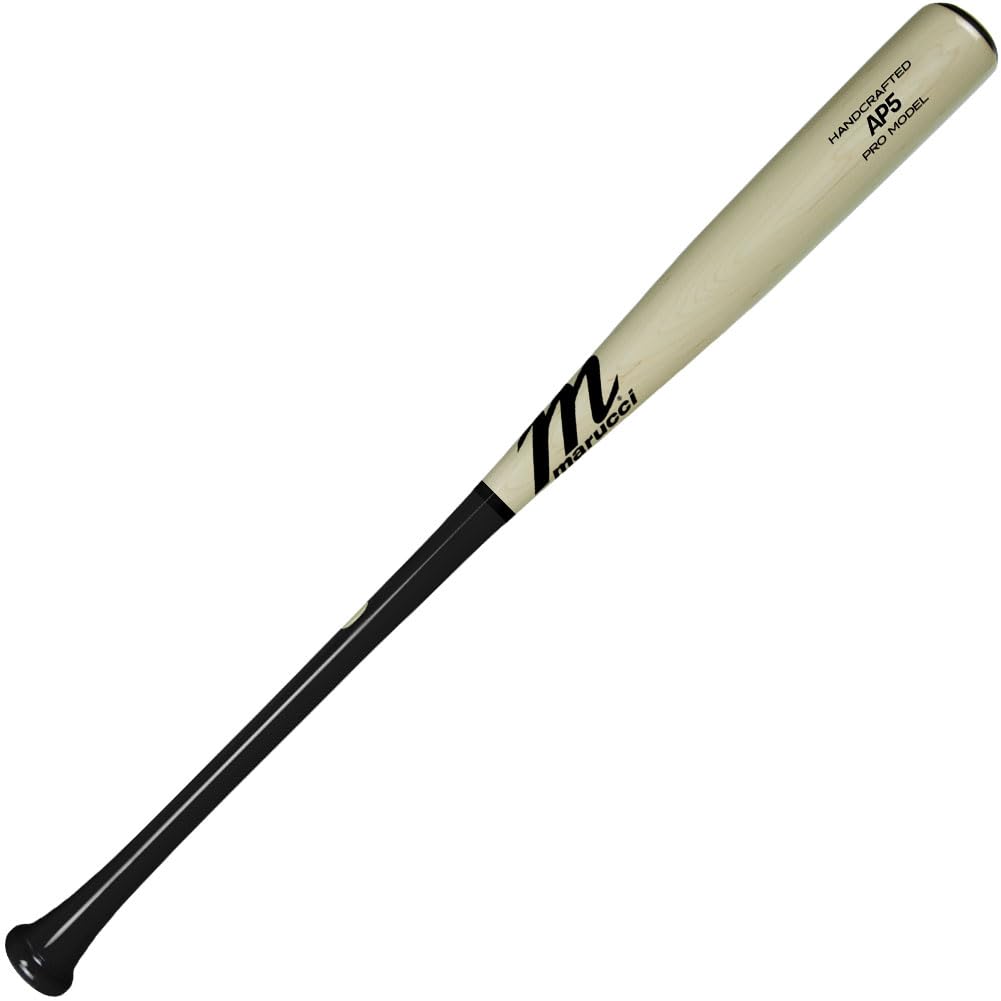
Marucci is the #1 bat in the Big Leagues by usage-independently tracked, not a marketing claim-and the AP5 is one of their most recognizable pro models. Originally built to Albert Pujols’ specifications, it features a large, explosive barrel with a traditional handle taper that gives power hitters exactly what they want: a big contact zone with enough control to stay inside the ball and drive it with authority.
Every Marucci maple bat is bone-rubbed and ink-dot certified for slope of grain, which means it meets the same structural standards required for Major League-issued bats. That certification matters: slope of grain is the primary factor determining wood bat durability, and a certified bat will survive mishits that splinter an uncertified one.
- Large barrel, power profile: Big contact zone with an end-loaded feel that adds mass through the hitting zone on solid contact.
- Bone-rubbed finish: Compresses wood fibers at the surface, hardening the hitting zone and producing that distinctive crack at impact.
- Ink-dot certified: Same quality verification used on Big League game bats-ensures proper grain structure for maximum durability.
- Marucci craftsmanship: Consistent turning standards from the #1 bat manufacturer used by professional players.
Best for: Power hitters who want a large-barrel maple bat with pro-level construction and the structural assurance of ink-dot certification.
Worth knowing: The AP5’s end-loaded feel rewards hitters who stay through the ball and drive it. If you prefer a lighter, contact-oriented swing, the JB19 or Victus V-Cut are more balanced alternatives.
See Current PriceOpens Amazon. Affiliate link.

2) Louisville Slugger MLB Prime Maple C271 High Roller – Best ink-dot certified balanced maple bat
Louisville Slugger has been making bats for professional players since the 1880s. The MLB Prime line is their top-tier construction-ink-dot certified, bone-rubbed, and built to the same specs as their Big League-issued models. The C271 is one of the most widely used turning models in professional baseball: a medium barrel with a slightly flared knob and traditional taper that suits a wide range of swing types without over-specializing.
Where the AP5 skews toward power, the C271 is more balanced-making it a natural choice for players who hit to all fields rather than exclusively pulling for damage. If you grew up watching baseball in the 1990s and 2000s, a huge percentage of what you saw was C271-family profiles.
- C271 turning model: One of the most widely used profiles in professional baseball-suits gap hitters, contact hitters, and balanced swingers.
- Ink-dot certified maple: Every Louisville Slugger MLB Prime maple bat carries ink-dot certification-approved for Major League play on slope-of-grain standards.
- Bone-rubbed finish: Compressed surface fibers for improved durability and that satisfying crack on solid contact.
- Balanced swing weight: More neutral feel through the zone than end-loaded power models-suits players prioritizing bat speed and contact.
Best for: Hitters who want a balanced, versatile maple bat from the most storied name in professional baseball. Particularly good for players transitioning from metal who want a wood bat that doesn’t feel dramatically different in weight distribution.
Worth knowing: No wood bat rewards mishits the way composite or alloy does. Expect vibration and sting on off-center contact-this is by design, and it’s exactly what makes wood bat training so effective at building good habits.
Check PriceOpens Amazon. Affiliate link.
3) Victus V-Cut Hard Maple – Best wood bat for contact hitters
The Victus V-Cut has an interesting origin: these profiles were originally destined for professional players but didn’t quite meet the exact specifications for game issue-giving Victus the ability to offer pro-quality hard maple at a more accessible price. The turning model is sleek and contact-oriented, with a balanced swing weight that suits hitters who focus on bat speed and driving the ball to all fields.
Victus has earned serious credibility in the wood bat market. Their bats are used at the professional level, and the V-Cut in particular has developed a strong following among players who want a cleaner, more traditional feel than end-loaded profiles. Hard maple means dense, durable wood with a crisp, authoritative sound on solid contact.
- Pro-cut origin: Originally destined for professional players-same turning model, same wood quality, at a more accessible price point.
- Hard maple construction: Dense, firm grain structure with excellent durability and a crisp sound at impact.
- Balanced swing weight: Great for hitters prioritizing bat speed and contact over end-loaded power-feels nimble and controllable through the zone.
- Victus brand credibility: Used by professional players; quality control is well-regarded across amateur and pro baseball communities.
Best for: Contact hitters and gap-to-gap hitters who want a pro-quality hard maple bat with a balanced feel-a strong alternative for players who’ve found the dominant brand profiles aren’t quite right for their swing.
Worth knowing: The V-Cut’s thinner handle is less forgiving on inside pitches where the bat may roll over or contact near the hands. Players still developing their wood bat approach should be mindful of inside pitch mechanics to avoid excess breakage.
See ReviewsOpens Amazon. Affiliate link.
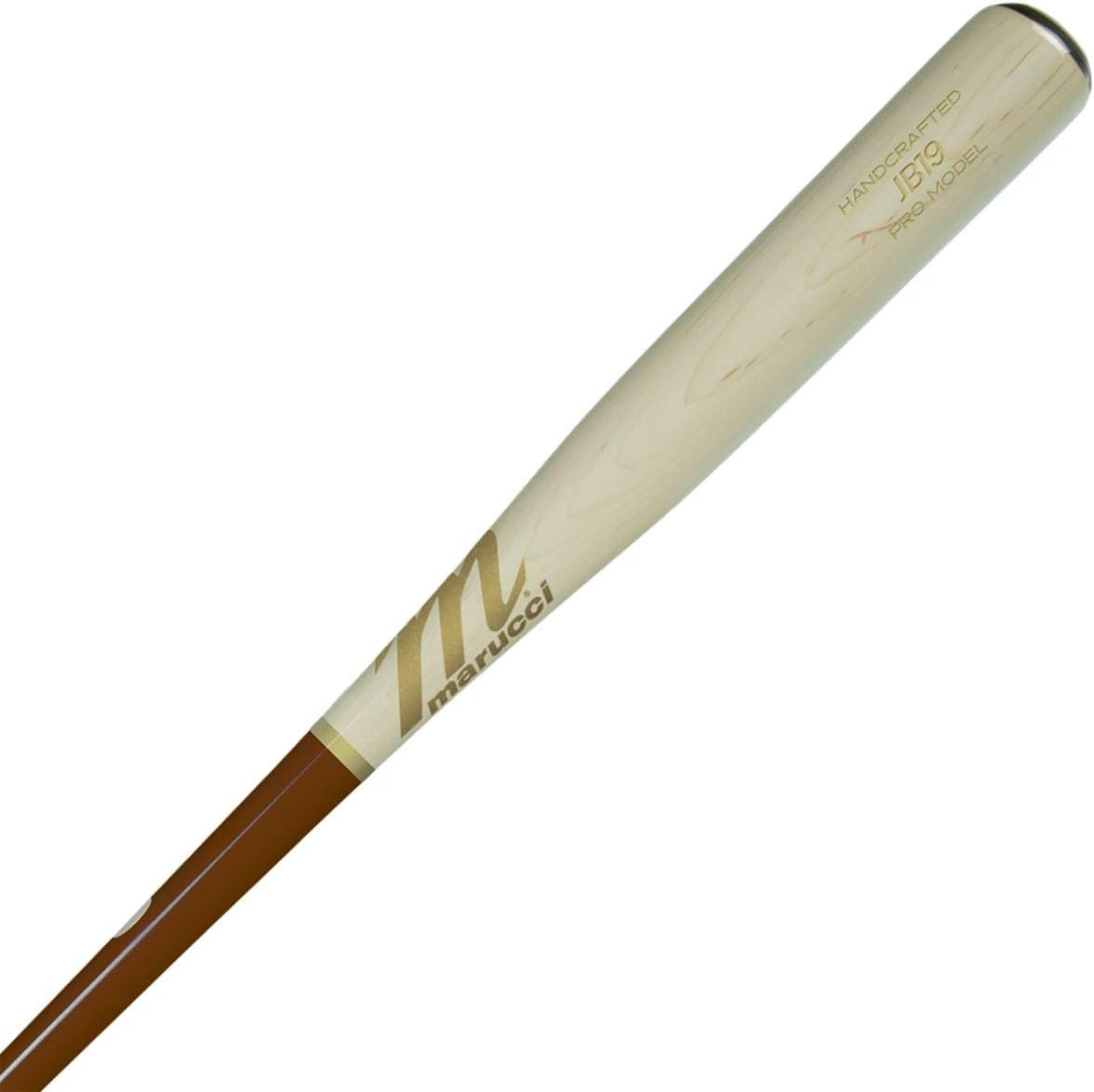
4) Marucci JB19 Pro Model Maple – Best wood bat for gap and balanced hitters
The JB19 is Marucci’s Jose Bautista signature model. Bautista was one of the most feared right-handed hitters of his era-combining legitimate power with a refined, disciplined approach. The JB19 reflects that: a medium-to-large barrel with a balanced swing weight that gives hitters the contact surface of a power bat without the heavy end-loaded feel that can slow bat speed through the zone.
If the AP5 is Marucci’s power model, the JB19 is their versatility model. It works across different swing types-good for players who drive the ball with authority but also need bat speed to handle premium velocity. Like all Marucci pro models, it’s bone-rubbed and ink-dot certified.
- Medium-large barrel: Generous contact surface without the end-loaded feel of pure power models-a versatile combination for different approaches.
- Balanced swing weight: More accessible feel than the AP5 for hitters who want barrel size without sacrificing bat speed.
- Ink-dot certified, bone-rubbed: Same construction quality standards as all Marucci MLB Prime-level bats.
- Pro model lineage: Built to match the specifications of one of baseball’s most accomplished power hitters-tested at the highest level.
Best for: Players who want Marucci’s craftsmanship in a more versatile, balanced profile. Particularly suited for hitters who can generate power to all fields and want a bat that doesn’t force a purely pull-focused approach.
Worth knowing: If you already know you prefer a large, end-loaded feel for maximum power, the AP5 is the stronger choice. The JB19 trades some of that pure power feel for versatility and bat speed-the right pick depends on your approach at the plate.
See Current PriceOpens Amazon. Affiliate link.
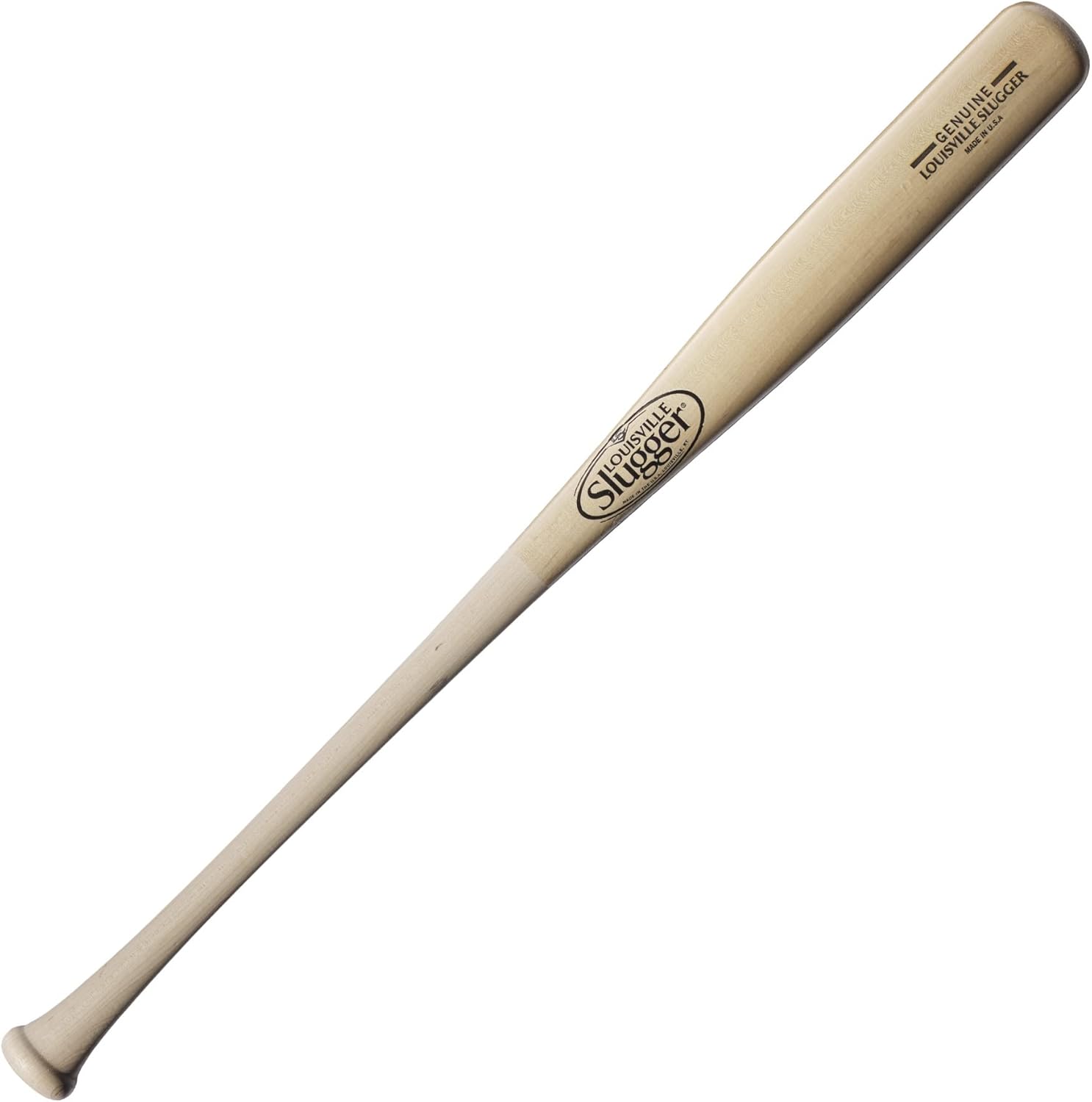
5) Louisville Slugger Genuine Mix – Best value wood bat for training and practice
The Louisville Slugger Genuine Mix is the honest answer to a question a lot of players have: do I really need to spend premium money on a wood bat for batting practice? Often, the answer is no-and the Genuine Mix exists for exactly that scenario. It’s a balanced, cupped-end wood bat designed for practice use, batting cage work, and any situation where you want the training benefits of wood without the cost anxiety of putting premium maple through a pitching machine.
The “Mix” designation means it uses a combination of maple and other wood, keeping the price significantly below premium ink-dot models while maintaining the functional benefits that make wood bat training valuable: tight sweet spot feedback, hands-in discipline, and zero trampoline effect. For players building wood bat habits for the first time, it’s an excellent entry point.
- Value-first pricing: Significantly more affordable than MLB Prime-tier bats-appropriate for heavy batting practice use where breakage is a cost of training.
- Balanced swing weight: Cupped end provides a neutral, balanced feel that works for a wide range of swing types.
- Functional training tool: Delivers the core training benefits of wood bat use-honest feedback, tighter sweet spot, proper hand-path discipline-without the premium cost.
- Louisville Slugger reliability: Even at the value tier, Louisville Slugger’s bat-making heritage produces consistent, usable product.
Best for: Players who want a reliable, affordable wood bat for batting practice and cage work. Also excellent as a first wood bat for players building the approach and mechanics needed to hit wood consistently.
Worth knowing: The Genuine Mix is a practice bat-not a game-day pro model. If you need a bat for competitive wood bat league play or want ink-dot certification, step up to the MLB Prime or Marucci pro models.
Check PriceOpens Amazon. Affiliate link.
What to look for when buying a wood bat
Wood species: maple, ash, or birch?
Maple is hard, durable, and used by over 70% of Major League players. It has a stiff feel at impact and exceptional surface hardness-great on centered hits, less forgiving on mishits (tends to flake or split rather than flex). Ash is softer and more flexible, with a “whippy” feel some hitters prefer-more forgiving on mishits, but can dry out and lose its pop over time with heavy use. Birch sits between the two: harder than ash, slightly softer than maple, and it actually gets harder with use as the wood fibers compress through hitting. For most players starting with wood, maple is the natural starting point.
Turning model: barrel size and handle taper
A bat’s turning model determines how large the barrel is, how thick the handle is, and how the weight is distributed. Power hitters typically prefer larger barrels with some end-loaded feel (AP5 territory). Contact hitters often prefer thinner handles and balanced weight distribution for bat speed and barrel control (V-Cut, C271 territory). Knowing your preferred approach at the plate-power vs contact, pull vs all-fields-helps narrow the turning model significantly.
Ink-dot certification and slope of grain
Slope of grain is the angle at which wood grain runs through the bat barrel. A bat with proper slope of grain is significantly more durable and less likely to break on mishits. Ink-dot certification is an independent verification that the bat meets this structural standard-the same requirement for Big League-issued bats. For anyone buying a serious training or game bat, ink-dot certification is worth prioritizing.
Bone rubbing
Bone rubbing compresses the wood fibers at the bat’s surface using a bone implement (usually cow or deer bone). This closes the wood pores, hardens the hitting zone, and produces the satisfying crack associated with maple bats. Most pro-tier bats include bone rubbing; value-tier practice bats typically don’t.
Maple vs ash vs birch: which wood is right for you?
The species question comes down to what kind of hitter you are and what you’re trying to get out of a wood bat.
Maple is the dominant pro choice for good reason. It’s hard, durable on centered hits, and produces an unmistakable crack at contact. The trade-off: less forgiving than ash on mishits-maple tends to flake or chip rather than flex through off-center contact. Players who make consistent contact benefit most from maple; players still developing their approach may break more bats early on.
Ash is the traditional alternative with a distinctly different feel-flexible and “alive” in the hands. Some hitters love the whip; others find it too inconsistent. Ash is more forgiving on mishits (flexes rather than snapping), but it can dry out, flake along grain lines, and lose performance over time. Good option for players who specifically prefer the flex feel or are learning wood bats.
Birch is increasingly popular as a middle-ground option. It starts slightly softer than maple but hardens as it’s used-some players describe it as getting better over its lifetime. It has some of ash’s forgiveness with more of maple’s durability ceiling. Worth considering if you’ve tried both maple and ash and want something in between.
For most players: start with maple. The AP5 and C271 are the benchmarks. If you try maple and find you genuinely prefer a more flexible, responsive feel, explore ash. If you want the compromise, try birch.
Common mistakes when buying or using wood bats
- Buying too long or too heavy. Wood bats require better mechanics than metal-even a bat that’s slightly too long or heavy will punish you. Start with a length and weight you can fully control and work up.
- Gripping the bat with the logo facing up. On maple, you should hit with the logo facing down (facing away from the pitcher for a right-handed hitter). The strongest grain runs perpendicular to the label-logo-up positions the weakest grain at impact and dramatically increases breakage risk.
- Expecting wood to feel like composite or alloy. Wood has a much smaller sweet spot. Mishits vibrate, sting, and break bats. This is intentional-the honest feedback is what makes wood bat training valuable. Don’t abandon wood the first time your hands sting.
- Using a practice bat in competitive games. A value-tier practice bat like the Genuine Mix is built for cage work and training, not competitive play. Expecting pro-model performance from a practice bat leads to disappointment and mid-game breakage.
- Ignoring slope of grain. A bat with poor slope of grain is far more likely to break catastrophically on mishits. Always look for ink-dot certification or buy from reputable manufacturers who verify grain structure.
- Storing bats in temperature extremes. Repeated exposure to a hot car or cold garage can dry out wood, cause cracking, or warp the bat. Store at room temperature and avoid prolonged moisture or heat exposure.
Q&A
What is the best wood for a baseball bat?
Maple is the dominant choice at the professional level, preferred by over 70% of Major League players for its surface hardness, durability on centered contact, and crisp feel at impact. For most players starting out with wood, maple is the right starting point. Ash offers a more flexible feel that some hitters prefer; birch is a solid middle-ground option.
What turning model should a beginner use?
A balanced, medium-barrel turning model like the Louisville Slugger C271 is a strong starting point for most beginners. It provides enough barrel surface area to make contact without being so end-loaded that it slows bat speed. Avoid very thin handles (break more easily on mishits) and very end-loaded models until your wood bat mechanics are established.
How long do wood baseball bats last?
It depends on usage and contact quality. A well-maintained pro-model maple bat used by a consistent hitter in competitive play might last a full season without breaking. A bat used heavily against a pitching machine might last a few weeks. Mishits-especially inside pitches contacting the handle-are the primary cause of breakage. Budget for it; wood bat practice involves broken bats.
Are wood bats good for batting practice?
Excellent-but budget for breakage. Wood bat practice is one of the most effective ways to improve swing mechanics because the tight sweet spot forces consistent, hands-in contact. Many coaches specifically prescribe wood bat practice for this reason. Use a practice-tier bat like the Genuine Mix for machine or heavy cage work to manage cost; save the pro-model bats for live at-bats.
What does ink-dot certification mean?
Ink-dot certification indicates the bat has been inspected for slope of grain-the angle at which wood grain runs through the barrel. A bat with proper slope of grain has wood fibers running in the strongest direction through the contact zone, making it significantly more durable and less likely to break catastrophically on mishits. Ink-dot certified bats are approved for Major League Baseball play.
Can a high school player use a wood bat in a game?
It depends on the league. Most high school games under NFHS rules require BBCOR-certified metal or composite bats. Wood bats are used in some specific leagues, tournaments, and wood bat leagues. Check your league’s rules before buying a wood bat for competitive game use. For practice, training, and batting cages, wood bats are always appropriate and strongly encouraged.
Bottom line
For most serious players who want the best pro-level wood bat available, the Marucci AP5 Pro Model Maple is the top pick-large barrel, ink-dot certified, bone-rubbed, from the #1 bat brand in the Big Leagues. Players who prefer a balanced feel should look at the Louisville Slugger MLB Prime C271-the most iconic bat in baseball, built to the same standard as Big League-issued models. Contact-oriented hitters wanting a sleek pro-cut feel should consider the Victus V-Cut Hard Maple. Players who want Marucci craftsmanship in a more versatile profile should look at the JB19 Pro Model. And for players who need a solid, affordable practice bat without the cost anxiety of putting premium maple through a pitching machine, the Louisville Slugger Genuine Mix is the right tool for the job.
Use it, break a few, and let the honest feedback of wood bat contact do what it’s supposed to-make you a better hitter.