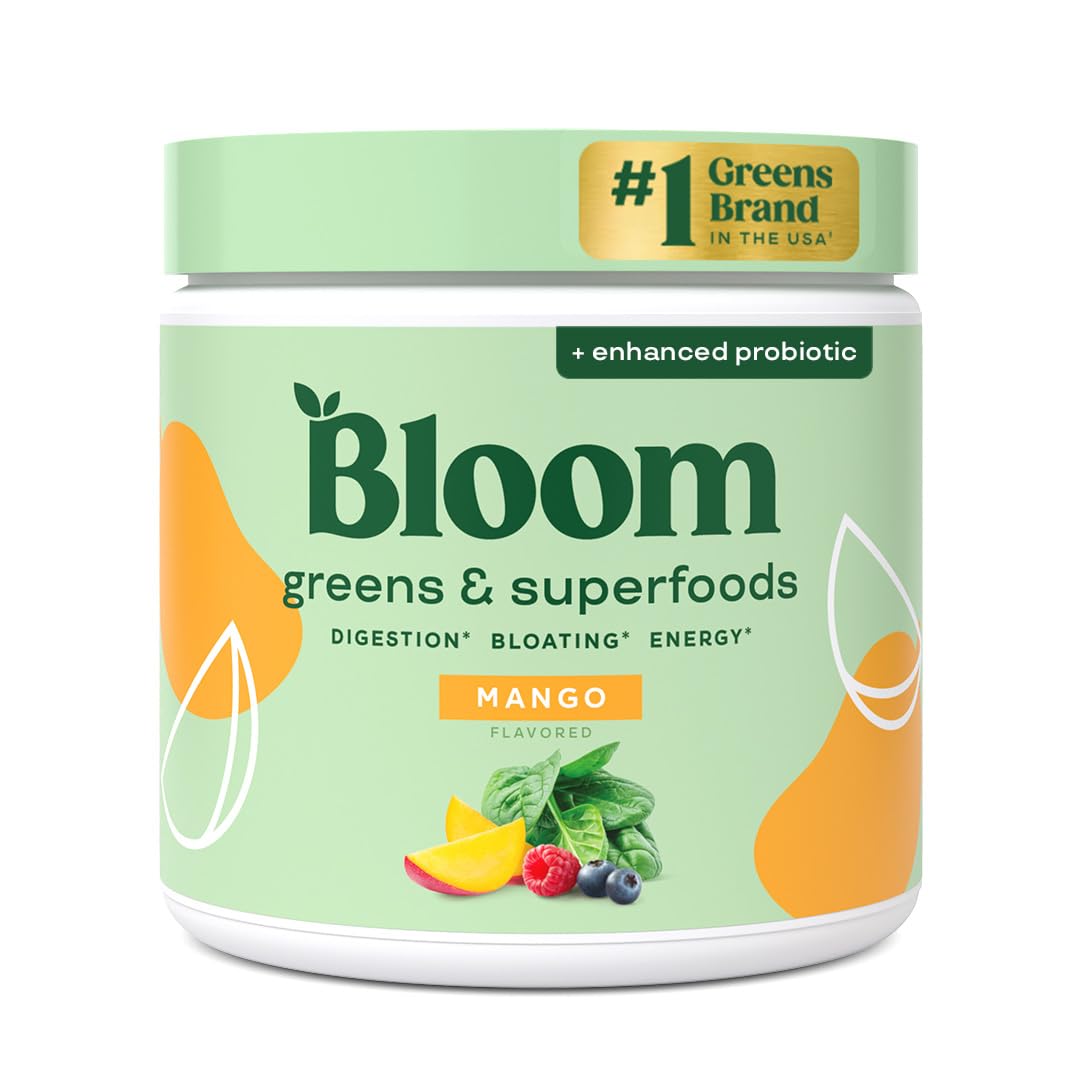
If you have been taking a probiotic every morning out of habit, you might be leaving a lot of its benefit on the table. Timing is one of the most overlooked parts of getting probiotics to actually work, and the right window can vary depending on the strain, the supplement form, and your personal routine.
This guide is for people who are already taking probiotics or actively shopping for one and want to understand when to take them to get the most consistent results.
Note: This article is for informational purposes only and does not constitute medical advice. Always consult a healthcare professional before starting any supplement.
Why Timing Matters for Probiotics
Probiotics are live bacteria. To do their job, they need to survive the journey through your stomach acid and make it to your intestines. Stomach acid levels shift throughout the day, especially around meals, and that directly affects how many live cultures actually survive.
The goal is to take your probiotic when stomach acid is at its lowest and when conditions in the gut are more hospitable for live cultures to pass through.
The Best Time to Take Probiotics: With or Before a Meal
Most research and most probiotic manufacturers recommend taking probiotics either right before a meal or at the start of one. Here is why this window tends to work well:
Eating a meal triggers digestive activity, but stomach acid tends to rise after you start eating rather than before. Taking your probiotic just before or at the beginning of a meal means the live cultures may have a slightly easier path before the acid environment peaks.
Fat in food also appears to help protect certain probiotic strains during transit. A light meal with some fat content, like breakfast with eggs or a snack with a little nut butter, may improve survival rates for certain strains compared to taking them on an empty stomach.
Morning tends to work best for most people simply because it is easier to build into a consistent routine.
Morning vs. Night: Does It Make a Difference?
For most people and most probiotic types, morning and evening are both reasonable windows as long as you are consistent. Consistency matters more than hitting a perfect hour.
That said, there is some logic behind taking probiotics at night. During sleep, your digestive system slows down significantly. Stomach acid production dips, and gut motility decreases. This slower environment could allow probiotics more time to colonize rather than move through quickly.
If you are taking a probiotic specifically for gut repair or microbiome support, an evening dose taken with a small snack may be worth trying.
Should You Take Probiotics on an Empty Stomach?
This is a common question, and the answer depends on the strain and the formulation.
Spore-based probiotics (such as Bacillus subtilis or Bacillus coagulans) are more resilient and can generally survive stomach acid regardless of whether you take them with food. These strains are often fine on an empty stomach.
Lactobacillus and Bifidobacterium strains, which are the most common in everyday supplements, are more vulnerable to acid. For these, taking them with food or right before eating is a safer approach.
If your supplement does not specify the strain, check the label for CFU count and storage instructions. A refrigerated probiotic often indicates a live-culture Lactobacillus or Bifidobacterium formula, which benefits more from being taken alongside food.
Avoid Taking Probiotics With Hot Drinks
This is a mistake that is easy to make. If you take your probiotic with a hot cup of coffee or tea, the heat can damage or kill the live cultures before they even reach your stomach. Stick to room temperature or cool water when taking your supplement.
What About Antibiotics?
If you are taking antibiotics, timing becomes especially important. Antibiotics are designed to kill bacteria, and they will affect your probiotic cultures if taken too close together. Most recommendations suggest spacing your probiotic at least two hours away from your antibiotic dose.
A probiotic containing Saccharomyces boulardii is worth considering in this case. S. boulardii is a yeast, not a bacteria, so it is naturally resistant to antibiotics and can continue working even during a course of treatment.
How to Choose a Probiotic If You Are Still Shopping
A few things worth checking before you buy:
- Strain specificity matters more than CFU count alone. A supplement listing specific strains (like Lactobacillus rhamnosus GG or Bifidobacterium longum) gives you more to work with than one that only advertises a high CFU number with vague proprietary blends.
- Storage requirements are a signal about quality. Refrigerated formulas often contain more fragile but well-researched strains. Shelf-stable options have their place for travel and convenience.
- Start simple. A multi-strain probiotic with a range of Lactobacillus and Bifidobacterium strains is a reasonable starting point for general gut health.
FAQ
Can I take my probiotic at different times each day?
Consistency matters more than hitting the exact same time, but try to stay within the same general window (morning or evening) each day to build a habit.
What if I forget and take it on an empty stomach?
It may reduce effectiveness for some strains, but it is not harmful. Just try to take it with food next time.
Can I take probiotics with my vitamins or other supplements?
Generally yes, though if you are taking iron supplements, some research suggests spacing them apart as iron may affect certain probiotic strains.
How long does it take to notice a difference?
For digestive changes, many people report noticing something within two to four weeks of consistent use. For other benefits, it may take longer depending on your baseline gut health.
Bottom Line
Take your probiotic right before or at the start of a meal, skip the hot drinks, and stay consistent. If you are using spore-based strains, timing is more flexible. If you are on antibiotics, space your probiotic by at least two hours. Get those basics right and the supplement has a much better shot at actually working.