A quick note: this article includes affiliate links. If you buy through them, we may earn a commission at no extra cost to you.
If you’re shopping for the best radar gun for baseball, the first thing to get straight is what you actually want to measure. Some radar guns are built for pitch velocity and game-style readings. Others are really training tools for swing speed and bat speed. They are not the same thing, and a lot of buyers waste money because product pages blur that line.
I did a quick live skim of current ranking pages before putting this together, and the pattern was clear: 2026 roundups focused on accuracy, ease of use, pitch-speed tracking, training value, and price. That’s the right framework. A baseball radar gun only earns its keep if it gives you repeatable numbers without turning every bullpen or hitting session into a fiddly tech project.
So this list stays at five picks with distinct roles. I’m prioritizing devices that make sense for real baseball use, not random speed gadgets that happen to show up in search results. If you mainly care about pitch velocity, Pocket Radar and Bushnell are the main names worth your attention. If you also want bat-speed feedback for hitting work, the Sports Sensors options have a lane too.
Quick picks: the best radar guns for baseball
| Radar gun | Best for | Measures | What stands out | Link |
|---|---|---|---|---|
| Pocket Radar Smart Coach | Best overall | Pitch speed | Portable, accurate, app-friendly, and the easiest serious baseball recommendation | See Current Price |
| Bushnell Velocity Speed Gun | Best value | Pitch speed | Simple handheld speed readings without app dependence | Check Price |
| Bushnell Speed Gun Velocity Radargun | Best simple backup option | Pitch speed | Straightforward point-and-read approach for basic velocity checks | See Reviews |
| Sport Sensor Swing Speed Radar | Best for hitters | Bat speed | Useful if you care more about swing speed training than mound velo | Check Price |
| Sports Sensors Swing Speed Radar with Tempo Timer | Best for swing tempo work | Bat speed and tempo | Adds timing feedback for players working on rhythm as well as speed | See Current Price |
Best radar gun for baseball picks for 2026
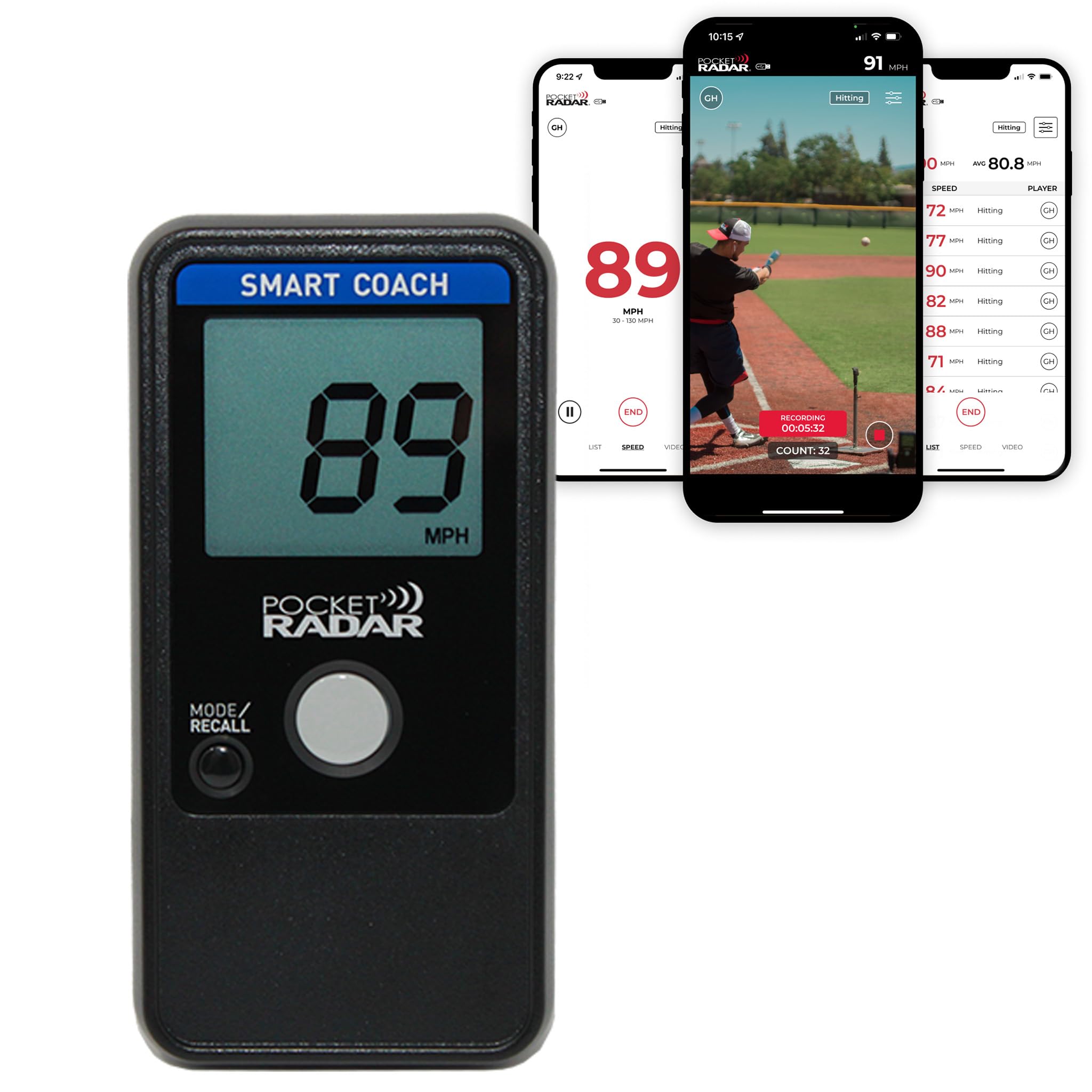
1. Pocket Radar Smart Coach – Best radar gun for baseball overall
If you want the clearest serious answer for baseball, start here. The Pocket Radar Smart Coach is the best radar gun for baseball for most people because it actually fits the way modern players, coaches, and parents use velocity data. It’s portable, fast, and much less annoying than the old-school bulky radar gun setup a lot of people still picture.
The biggest advantage is that it feels built for training, not just occasional novelty readings. You can use it in bullpens, lessons, team practices, and private throwing sessions without needing a giant dedicated setup. That matters because the best device is the one you’ll actually bring out consistently.
It also has the strongest credibility in this space. Pocket Radar has become a go-to option for baseball because it balances portability with serious enough accuracy to be useful beyond casual backyard messing around. If you care about tracking progress over time, that consistency matters more than flashy extra features.
The app compatibility helps too. Some people don’t care. Others love having a cleaner way to log numbers and organize training sessions. I wouldn’t buy it because of the app, but I’d absolutely count it as part of the value.
The downside is price. This is not the cheap option. But if your main goal is reliable baseball velocity tracking, it’s the easiest recommendation on the page.
- Best for: pitchers, coaches, serious training, ongoing velo tracking
- Measures: pitch and sports speed
- Why it made the list: best balance of portability, trust, and real baseball usefulness
See Current Price →Opens Amazon. Affiliate link.
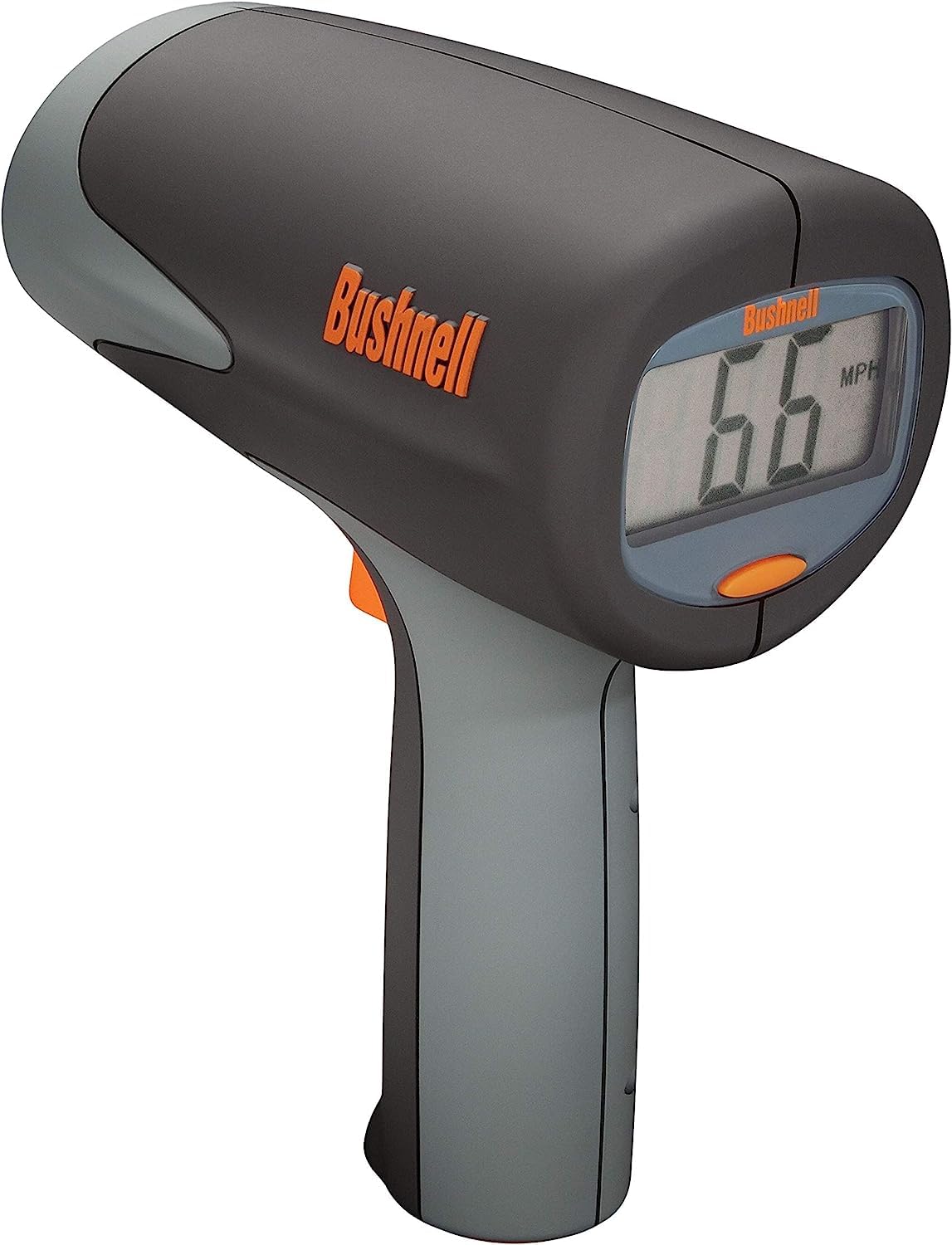
2. Bushnell Velocity Speed Gun – Best radar gun for baseball value
The Bushnell Velocity Speed Gun is the better pick for buyers who want baseball speed readings without paying Pocket Radar money. It’s more old-school in feel, which honestly can be a plus. Not everybody wants another app-connected training gadget. Some people just want to point the device, get a reading, and move on.
That’s what Bushnell does well here. The value is in simplicity. You don’t buy this expecting a modern data ecosystem. You buy it because you want a recognizable brand, handheld use, and a straightforward path to speed readings.
There’s still a tradeoff. It doesn’t feel as training-system friendly as Pocket Radar, especially if you want to log sessions or build long-term habits around velocity tracking. It’s more of a basic tool than a deeper development platform.
Still, that basic-tool identity is exactly why some buyers will prefer it. Coaches with limited budgets, parents checking pitch speed, and players who just want a cleaner reading than eyeballing it can all make good use of this kind of device.
If you want practical value without overcomplicating things, Bushnell makes a lot of sense.
- Best for: parents, coaches, and players who want straightforward speed readings
- Measures: ball and object speed
- Why it made the list: one of the more sensible lower-cost alternatives to Pocket Radar
Check Price →Opens Amazon. Affiliate link.
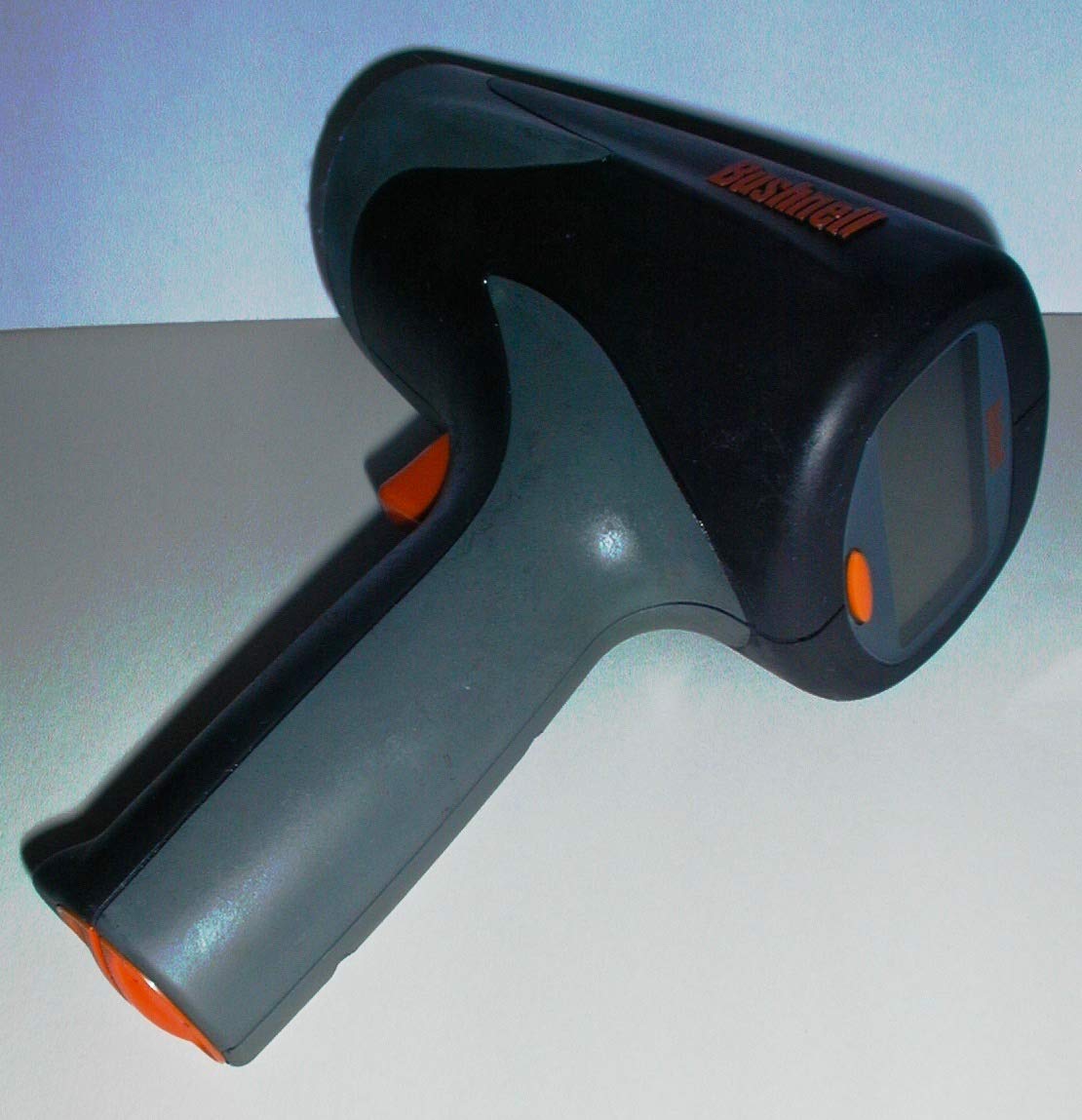
3. Bushnell Speed Gun Velocity Radargun – Best baseball radar gun for no-frills use
This Bushnell variant sits in a similar lane, but it earns a separate slot because some buyers genuinely want the simplest possible setup. No training platform, no extra coaching bells and whistles, just a device that can give you a speed number when that’s all you need.
That kind of simplicity is easy to underestimate. Plenty of baseball families do not need a full data workflow. They want to know how hard a kid is throwing, whether velocity is improving, or whether a bullpen session was in the usual range. For that job, a basic speed gun can still be useful.
The reason it doesn’t rank higher is pretty simple. Once you get serious about baseball development, the cleaner training use case usually tilts back toward Pocket Radar. Bushnell’s simpler devices are more limited, and that limitation shows up over time if you’re using them often.
But not everyone is building a year-round development stack. If you want something uncomplicated and you know that’s all you need, this model can still be a reasonable fit.
- Best for: basic velocity checks and casual baseball use
- Measures: speed readings in a simple handheld format
- Why it made the list: a straightforward option for buyers who want less tech, not more
See Reviews →Opens Amazon. Affiliate link.
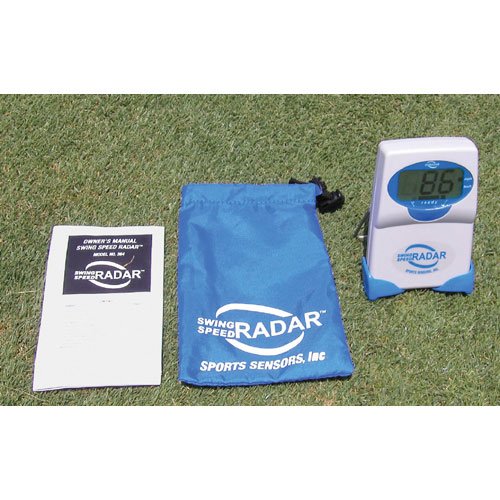
4. Sport Sensor Swing Speed Radar – Best radar gun for baseball hitters
This is where the category splits. The Sport Sensor Swing Speed Radar is not the right tool if your main question is, “How hard is my kid throwing?” It is the right tool if your focus is bat speed, hitter feedback, and training around swing output instead of mound velocity.
That distinction matters a lot. A surprising number of buyers shop “baseball radar gun” and actually mean “I want measurable hitting feedback.” If that’s you, a swing speed device makes far more sense than a pitch radar gun.
The appeal here is that it gives hitters a simple way to work on measurable speed. It’s not glamorous. It’s not complicated. It just creates a feedback loop, and feedback loops are how players actually improve.
The tradeoff is obvious. This is much narrower in use than Pocket Radar. Coaches working with pitchers will not see it as a replacement. Think of it as a baseball-specific training tool for hitters, not a universal radar solution.
If you’re building out a home practice setup, this type of tool pairs naturally with a solid hitting station. Our guide to the best baseball hitting nets is a useful next read if you’re dialing in that setup too.
- Best for: hitters, bat-speed work, swing training
- Measures: swing speed
- Why it made the list: one of the clearest batting-focused measurement tools in the category
Check Price →Opens Amazon. Affiliate link.
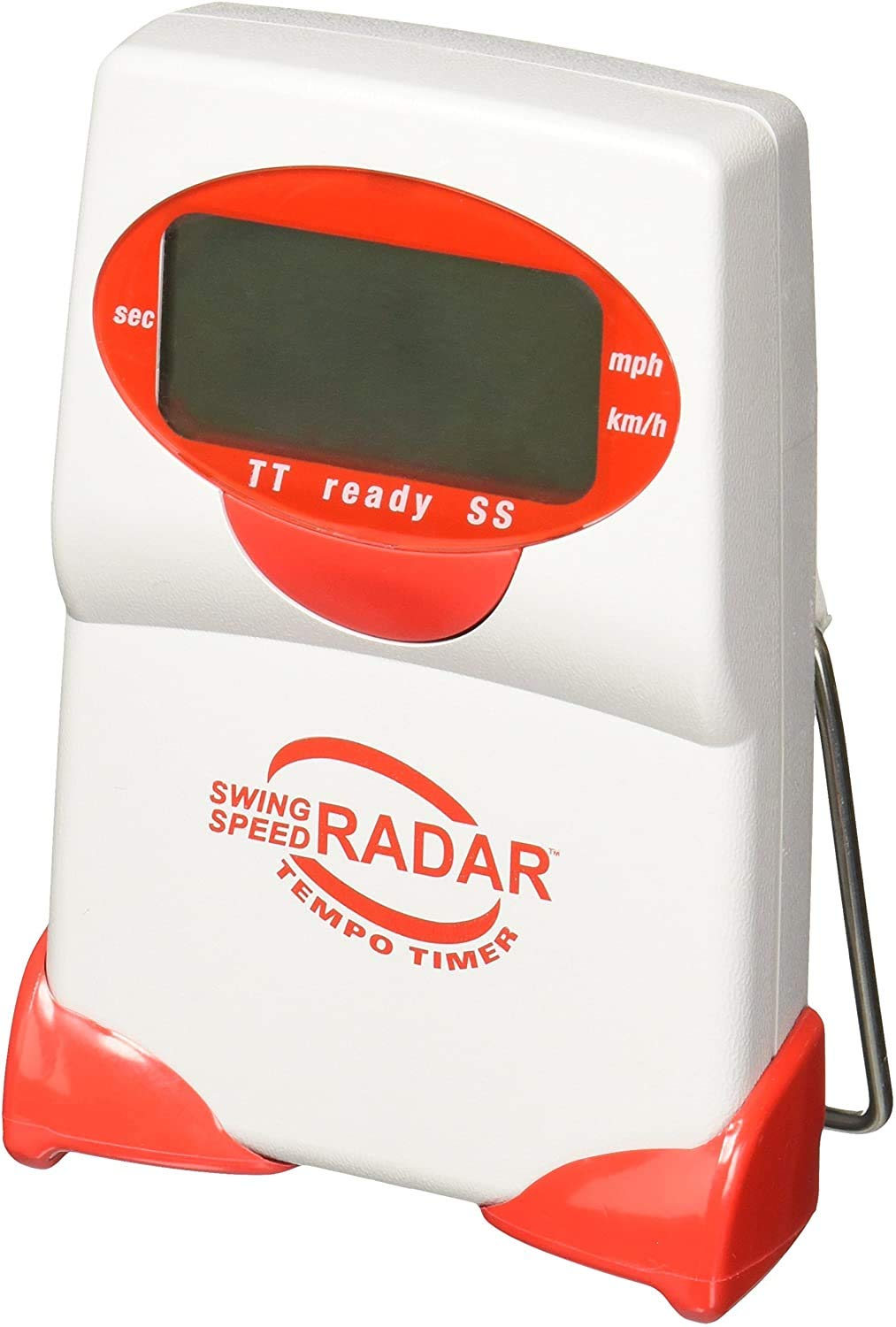
5. Sports Sensors Swing Speed Radar with Tempo Timer – Best for baseball swing tempo and rhythm work
This pick is a little more specialized, but it earns a place because some hitters need more than a raw swing-speed number. They need help with rhythm, timing, and sequencing too. That’s where the tempo-timer version becomes more interesting.
The extra value is not that it suddenly turns into a full baseball analytics lab. It doesn’t. The value is that it gives players another layer of feedback while staying relatively simple. For younger hitters especially, too much data can be noise. Basic speed plus tempo cues can be easier to use productively.
I still wouldn’t recommend it above a true baseball pitch-speed radar gun for most buyers. If you came here looking for mound velocity readings, this is not your best answer. But for hitters working on repeatable swing rhythm, it has a real place.
That’s the broader theme with the bottom two picks in this roundup. They’re baseball training tools, but they solve a different baseball problem than Pocket Radar or Bushnell do. Buy accordingly.
- Best for: hitters focused on timing, rhythm, and swing speed feedback
- Measures: swing speed and tempo-style training feedback
- Why it made the list: more useful than a plain swing-speed number if timing is part of the training goal
See Current Price →Opens Amazon. Affiliate link.
How these baseball radar guns actually compare
The clearest split is this: Pocket Radar Smart Coach, Bushnell Velocity Speed Gun, and Bushnell Speed Gun Velocity Radargun make the most sense for pitch-speed tracking. Sport Sensor Swing Speed Radar and Sports Sensors Swing Speed Radar with Tempo Timer make the most sense for hitting feedback.
If you want the best all-around baseball answer, choose Pocket Radar Smart Coach. It’s the strongest option for pitchers, lessons, training sessions, and ongoing development. It’s also the most modern-feeling tool in the group.
If budget matters more, start with Bushnell Velocity Speed Gun. It gives you a simpler, more traditional radar-gun experience without pushing the price as high.
If you just want a no-frills reading device and don’t care about deeper training workflow, the second Bushnell option works as a basic speed-check tool.
If your interest is hitting rather than pitching, the Sport Sensor choices are much more relevant. The standard version is the cleaner bat-speed pick, while the tempo model is better for players trying to build rhythm and consistency, not just raw swing number chasing.
That’s why I wouldn’t treat all five picks as interchangeable. They solve different baseball problems. Once you know which problem you’re trying to solve, the right choice gets a lot easier.
Common mistakes people make when buying a radar gun for baseball
Mixing up pitch radar guns and swing-speed trainers. This is the biggest mistake by far. One measures throwing velocity well. The other helps with hitter feedback. They are not the same purchase.
Buying the cheapest speed device they can find. Low-quality radar products can give inconsistent readings, and bad data is worse than no data because people start training around numbers they shouldn’t trust.
Overbuying for casual use. Not every family needs pro-style tracking. If you just want occasional velocity checks, a simpler option may be enough.
Ignoring how the device will be used. Solo bullpen work, team practice, and private lessons all create slightly different needs. A great product in one setup can feel awkward in another.
Chasing numbers without context. Velocity and bat speed matter, but they are not the entire story. Mechanics, command, timing, and health still matter more than flexing one isolated reading.
FAQ
What is the best radar gun for baseball?
For most people, the best radar gun for baseball is the Pocket Radar Smart Coach because it balances portability, trusted accuracy, and real training usefulness better than the rest of the field.
What radar gun do baseball coaches use?
Many coaches use Pocket Radar because it’s portable and practical for regular training use. Traditional handheld guns still show up, but Pocket Radar has become a very common choice.
Are radar guns accurate for baseball training?
Good ones are. The bigger issue is consistency. A radar gun is only helpful if it gives repeatable readings in real practice conditions, not just the occasional flattering number.
What’s the difference between a baseball radar gun and a swing speed radar?
A baseball radar gun is mainly for measuring pitch or ball velocity. A swing speed radar is for measuring bat speed and hitter training feedback. They solve different problems.
Is Pocket Radar worth it for baseball?
Yes, if you care about regular velocity tracking and want something more serious than a casual toy. It’s more expensive, but it usually makes sense for players, coaches, and families who will use it often.
Do I need a radar gun for baseball practice at home?
Not always, but it can be a very useful training tool if you want measurable feedback. For hitters, a swing-speed unit may make more sense. For pitchers, a true pitch-speed radar gun is the better choice.
The Pocket Radar Smart Coach is the best radar gun for baseball for most buyers because it gives you the strongest mix of accuracy, portability, and real training value without turning setup into a headache.
If you want a cheaper speed-reading option, go with the Bushnell Velocity Speed Gun. If your focus is hitter development rather than pitch speed, the Sport Sensor Swing Speed Radar is the better fit. And if you want extra rhythm feedback, the tempo-timer version is worth a look.