Creatine is one of the most researched supplements in sports nutrition—and for many people, it’s also one of the most effective “bang for your buck” options for supporting strength and high-intensity performance. The problem is shopping: the internet is full of “advanced creatines,” proprietary blends, and claims that make it sound like you need something exotic.
You usually don’t. For the majority of lifters and athletes, the best creatine supplement is still a high-quality creatine monohydrate from a reputable brand—ideally a powder you’ll take daily.
Important: This article is general education, not medical advice. If you have kidney disease, are pregnant/breastfeeding, are under 18, or take medications that affect kidney function or hydration, talk with a clinician before using creatine.
Quick picks: Best creatine supplements (comparison table)
| Pick | Best for | Type | Quality/testing angle | Form | Why it’s great | Amazon link |
|---|---|---|---|---|---|---|
| Optimum Nutrition Micronized Creatine Monohydrate | Best overall value + reliability | Creatine monohydrate | Established brand; simple formula | Powder | Easy, consistent daily use | Amazon PDP |
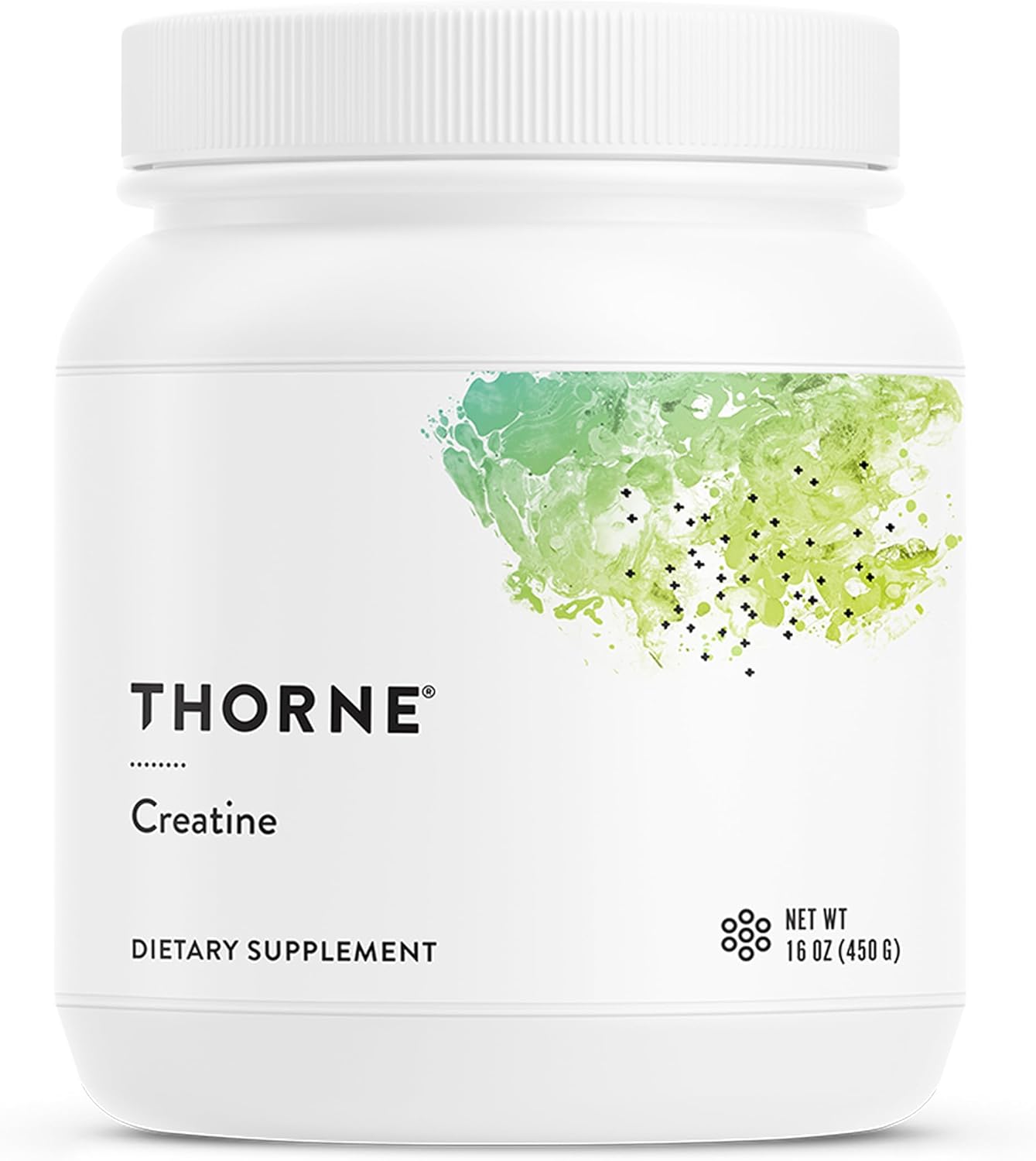
| Thorne Creatine | Best premium / tested-athlete option | Creatine monohydrate (micronized) | NSF Certified for Sport (per listing) | Powder | Certification-focused peace of mind | Amazon PDP |
| BulkSupplements Creatine Monohydrate | Best bulk buy / lowest cost per serving | Creatine monohydrate | Large format; measure servings carefully | Powder | Lowest long-term cost for daily users | Amazon PDP |
| MuscleTech Platinum Creatine Monohydrate | Best mainstream alternative | Creatine monohydrate (micronized) | Widely available; straightforward product | Powder | Easy to re-order; simple dosing | Amazon PDP |
| Momentous Creatine (Creapure) | Best Creapure/purity-focused pick | Creatine monohydrate (Creapure) | NSF Certified for Sport (per listing); Creapure sourcing | Powder | Creapure preference + sport-cert angle | Amazon PDP |
Best creatine supplement (5 picks)
1) Optimum Nutrition Micronized Creatine Monohydrate — Best overall for most people
If you want the simplest, most reliable creatine purchase, Optimum Nutrition is a strong default. It’s straightforward creatine monohydrate (the most researched form) in a micronized powder. The “micronized” part is mostly a quality-of-life feature: it tends to mix better and feel less gritty in drinks.
Why it’s a top pick:
- Monohydrate = best evidence: Creatine monohydrate is the most studied form for performance and strength outcomes.
- Simple formula: No proprietary blends. No “pump” ingredients you may not want.
- Easy compliance: It’s unflavored and fits into any routine (water, juice, protein shake, etc.).
- Value: Often a strong price per 5g serving from an established brand.
Best for: Beginners, intermediate lifters, and anyone who wants a dependable daily creatine that just works.
Potential downside: Like most unflavored creatine, it can have a slight texture in cold water. Mixing into warmer water or a shake usually solves this.
View on AmazonOpens Amazon. Affiliate link.
2) Thorne Creatine — Best premium creatine (NSF Certified for Sport)
If you’re a tested athlete—or you simply want extra confidence around quality control—Thorne is a premium pick. The listing highlights NSF Certified for Sport, which is often a key decision factor for people who want to reduce risk from banned-substance contamination.
Why it’s worth paying more for some people:
- NSF Certified for Sport (per listing): Helpful for athletes who compete under testing rules.
- Clean, single-ingredient focus: Easy to stack with any training nutrition plan.
- Consistency: Many people choose Thorne when they want “trust” as much as performance.
Best for: Competitive athletes, people who prioritize certification/testing, and anyone who wants a premium monohydrate.
Potential downside: Higher cost per serving than value-oriented monohydrate powders.
View on AmazonOpens Amazon. Affiliate link.
3) BulkSupplements Creatine Monohydrate — Best bulk buy (lowest long-term cost)
Creatine’s biggest “secret” is that it works best when you take it consistently for months. If you’re the kind of person who will actually stick with creatine, a bulk buy can save real money. BulkSupplements is the “big bag” option: simple monohydrate, no extras, and typically a low cost per gram.
Why it’s the best bulk option:
- Cost efficiency: Great if you’re taking 3–5g daily long-term.
- Flexible dosing: Easy to adjust if you prefer 3g or 5g.
- Unflavored: Mix it into anything without taste conflicts.
Best for: Long-term users, households with multiple lifters, and anyone optimizing cost-per-serving.
Potential downside: Bulk bags are easier to spill and can clump if exposed to humidity. Keep it sealed and dry; consider using a kitchen scale for precise dosing.
View on AmazonOpens Amazon. Affiliate link.
4) MuscleTech Platinum Creatine Monohydrate — Best mainstream alternative
MuscleTech Platinum Creatine is another straightforward monohydrate option with widespread availability. It’s a good choice if you want a simple product from a brand you’ve probably seen in stores and you want something that’s easy to buy again when you run out.
Why it makes sense:
- Simple monohydrate formula: No unnecessary add-ons.
- Mainstream availability: Easy to re-order and often easy to find in multiple sizes.
- Good “default” option: If you’re comparing prices on Amazon and want another reputable choice besides ON.
Best for: Lifters who want a mainstream product and don’t want to overthink brands.
Potential downside: Price can vary by listing and size; compare cost per 5g serving.
View on AmazonOpens Amazon. Affiliate link.
5) Momentous Creatine (Creapure) — Best Creapure/purity-focused creatine
Some buyers specifically want Creapure creatine monohydrate, a well-known trademark associated with high-purity creatine manufacturing. Momentous is a strong pick if you want that sourcing preference plus sport-certification language on the listing.
Why it stands out:
- Creapure monohydrate: A purity/sourcing preference for many buyers.
- NSF Certified for Sport (per listing): Useful if you’re tested or want extra reassurance.
- Clean and stackable: Unflavored powder with no extra ingredients.
Best for: People who want Creapure specifically and/or want sport certification noted (per listing).
Potential downside: Usually a premium price—often for sourcing/certification rather than “better gains” than any other high-quality monohydrate.
View on AmazonOpens Amazon. Affiliate link.
What to look for in a creatine supplement (buyer’s guide)
1) Creatine monohydrate is the default for a reason
Creatine monohydrate is the most studied form. It reliably increases intramuscular creatine stores for many people when taken daily, which supports repeated high-intensity efforts (think: sets of 5, sprints, intervals, hard reps near failure).
Other forms (HCl, buffered, “advanced blends”) are usually more expensive. They’re sometimes marketed as “more soluble” or “no bloating,” but for most users, monohydrate is still the best starting point.
2) Powder is usually the best format
Powder is generally cheaper per gram than capsules and easier to dose accurately (3–5g/day). Capsules can be convenient for travel, but many capsule products require multiple capsules per serving—and people accidentally under-dose.
3) “Micronized” mostly improves mixability
Micronized creatine is still creatine monohydrate. The benefit is practical: it tends to mix smoother and feel less gritty. Results are typically about dose + consistency, not particle size.
4) Third-party testing matters more if you’re tested
If you compete under drug-testing rules, look for certifications like NSF Certified for Sport (when listed). This can reduce risk versus random brands, though no system can guarantee zero risk.
How to take creatine (simple, effective protocol)
Daily dose
Most adults take 3–5 grams per day. For many people, 5g/day is a clean, easy habit. Smaller athletes sometimes do fine with 3g/day. The most important part is daily consistency.
Timing
Timing is not critical. Creatine works by saturating muscle stores over time. Take it when you’ll remember: with breakfast, after training, or with any meal.
Loading phase (optional)
Some people use a loading phase (commonly ~20g/day split into 4 doses for 5–7 days) to saturate faster, then switch to 3–5g/day. Loading can work, but it’s optional and can cause GI upset in some. If you want the simplest approach, skip loading and just take 3–5g daily.
Hydration and tolerance tips
- Mix thoroughly in enough liquid (or add to a shake).
- Take with food if you get stomach upset.
- Don’t megadose in one shot if you’re sensitive—split the dose.
- Hydrate appropriately, especially if you train hard or sweat heavily.
Comparison: Creatine monohydrate vs creatine HCl/buffered/blends
Creatine monohydrate
- Pros: most studied, consistently effective, best value
- Cons: may cause mild water weight gain; GI upset if taken in large single doses
- Top picks: Optimum Nutrition, Thorne
Creatine HCl / buffered / “advanced” formulas
- Pros: sometimes marketed as more soluble or easier on digestion
- Cons: often more expensive; clear superiority over monohydrate is not established for most users
Simple recommendation: Start with monohydrate. If you have GI issues, try smaller doses, taking it with food, and mixing better before switching forms.
Common mistakes when buying or using creatine
- Thinking you need “special” creatine. For most people, monohydrate is the best choice.
- Not taking it consistently. Creatine works best when muscle stores stay saturated.
- Loading too aggressively and quitting. If loading upsets your stomach, skip it and take 3–5g/day.
- Confusing water weight with fat gain. Some people gain a small amount of water weight in muscle.
- Under-dosing capsules. Many capsule products require multiple pills to reach a full dose.
- Buying questionable listings. Choose reputable sellers and avoid too-good-to-be-true pricing.
- Expecting creatine to replace training. Creatine supports performance; it doesn’t build strength without progressive overload.
Q&A: Best creatine supplement
What is the best creatine supplement?
For most people, the best creatine is a creatine monohydrate powder from a reputable brand. A strong overall pick is Optimum Nutrition Micronized Creatine. If you want a sport-certified option (per listing), Thorne Creatine is a premium choice.
How much creatine should I take per day?
Most adults take 3–5 grams daily. Loading is optional.
When should I take creatine?
Timing isn’t very important. Take it when you’ll remember consistently—many people take it with a meal or after training.
Does creatine cause weight gain?
Creatine can increase water stored in muscle, which may increase scale weight. This is not the same as fat gain.
Is Creapure creatine better?
Creapure is primarily a purity/sourcing preference. Performance results are generally comparable to other high-quality creatine monohydrate products when the dose is the same, but some buyers prefer Creapure for reassurance. If you want a Creapure option, see Momentous Creatine (Creapure).
Bottom line
The best creatine supplement is usually the simplest: a clean creatine monohydrate you’ll take daily. Start with Optimum Nutrition for reliable value. If you want a premium, sport-certified option (per listing), choose Thorne. If cost per serving is your top priority, BulkSupplements is a strong bulk-buy choice. And if you specifically want Creapure sourcing, Momentous Creatine fits that preference.