Recording a baseball game is a different problem than recording most other sports. The field is enormous-a routine fly ball can travel 300 feet before anyone catches it-and the camera is usually sitting in the bleachers, far from the action. You need serious zoom reach just to see what’s happening in the outfield, and you need it without the shaky, blurry footage that kills the shot the moment you try to pan to follow a play.
Add outdoor lighting that changes by inning, games that run two to three hours, and the need to capture both close-up moments (the batter’s swing, the pitcher’s delivery) and wide-field action (the outfield catch, the stolen base), and it’s clear why just pointing a phone at the diamond produces mediocre results. This guide covers five of the best cameras for recording baseball games available on Amazon right now-from budget camcorders through mirrorless and AI auto-tracking options-with an honest assessment of what each one does well for this specific use case.
FTC Disclosure: This article contains affiliate links. We may earn a commission if you buy through them, at no extra cost to you.
Quick picks
| Pick | Best for | Type | Standout feature |
|---|---|---|---|
| Sony HDR-CX405 | Best budget camcorder | Camcorder | 30x optical zoom, 1080p, SteadyShot stabilization |
| Canon VIXIA HF R800 | Best zoom reach for deep outfield coverage | Camcorder | 57x advanced zoom, full HD CMOS, audio input |
| Panasonic HC-V785 | Best all-conditions outdoor recording | Camcorder | Large 1/2.3″ BSI sensor handles variable outdoor light |
| Sony ZV-E10 | Best image quality for coaches, scouts & content | Mirrorless camera | APS-C sensor, 4K, interchangeable telephoto lenses |
| XbotGo Chameleon AI Sports Camera | Best hands-free auto-tracking system | AI tracking system | 4K 60fps, AI auto-tracks live action, no subscription |
The 5 best cameras for recording baseball games
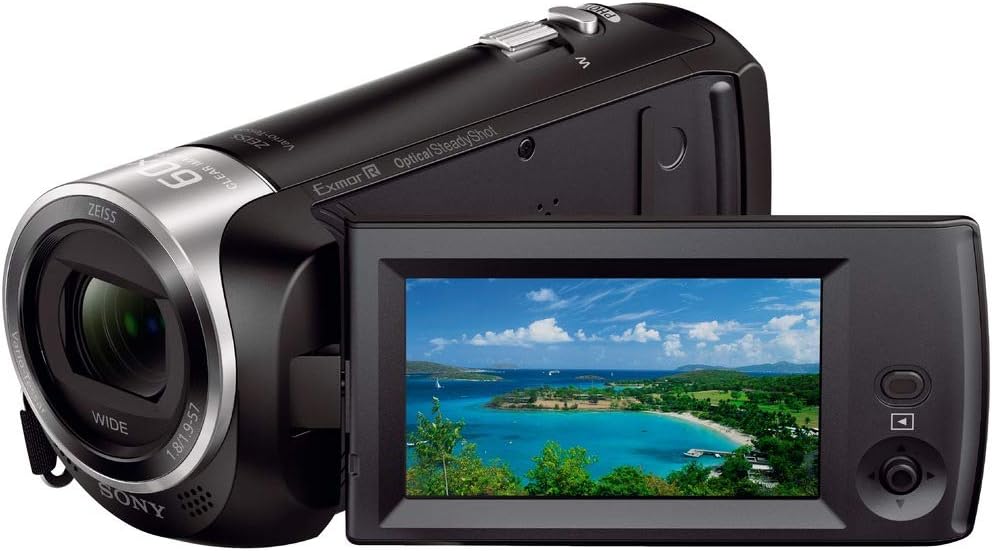
1) Sony HDR-CX405 – Best budget camcorder for baseball recording
The Sony HDR-CX405 is the entry point that makes practical sense for most families: a dedicated camcorder that delivers a real upgrade over a smartphone without requiring a significant financial commitment. For parents who attend every game and want footage they can actually use-watchable, reasonably sharp, zoomed in enough to see their kid at the plate-this is the honest starting recommendation.
The 30x optical zoom reaches from typical bleacher positions to home plate or the pitcher’s mound without degrading image quality, and Sony’s SteadyShot stabilization keeps the footage usable even when you’re following action across the diamond at full zoom. The full 1080p HD recording at 60fps keeps motion sharp on swings, throws, and running plays where lower frame rates produce motion blur. The Handycam form factor is easy to hold through a three-hour game, and the camera’s automatic modes handle exposure changes as afternoon games move into evening without requiring manual intervention.
- 30x optical zoom: Reaches from bleacher positions to home plate and the pitcher’s mound with optical clarity-no image degradation from digital zoom.
- SteadyShot stabilization: Handles the inevitable hand movement when tracking action across the field at high zoom levels.
- 1080p 60fps recording: Smooth motion capture for fast swings, throws, and running plays where lower frame rates create blur.
- Automatic exposure handling: Manages outdoor lighting changes-afternoon to evening light transitions, cloud cover-without manual adjustment.
- Sony Exmor R back-illuminated sensor: Better low-light performance than comparable budget camcorders with front-illuminated sensors.
Best for: Parents who want reliable dedicated game footage without spending premium money, families attending every game who want better results than a smartphone without a complicated camera setup.
Worth knowing: Outdoor baseball typically has much better natural light than an indoor gym, which plays to the CX405’s strengths. In full daylight, it produces genuinely good footage. At twilight or evening games under artificial field lighting, the small sensor shows its limitations-the Panasonic HC-V785 with its larger sensor handles those conditions better.
See Current PriceOpens Amazon. Affiliate link.
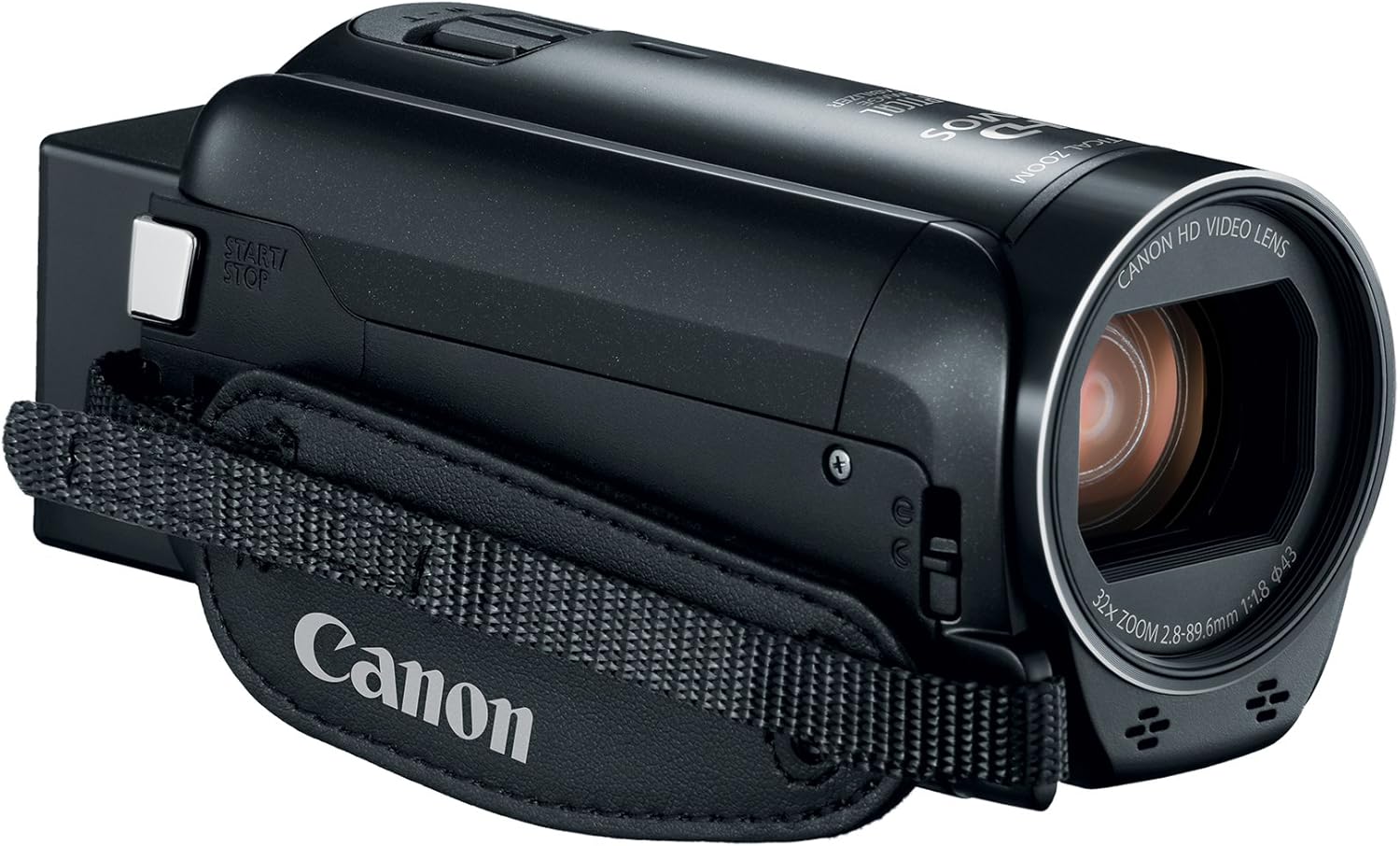
2) Canon VIXIA HF R800 – Best zoom reach for outfield coverage
The Canon VIXIA HF R800 earns its place on this list specifically because of its 57x advanced zoom-more optical zoom reach than any other camcorder on this list, and more than you’ll find in most cameras at this price point. For baseball, where a deep outfield catch might happen 250-300 feet from the nearest bleacher position, that extra reach is a genuine advantage. It means you can follow a fly ball all the way to the warning track and still have a usable, identifiable image of the player making the play.
Canon’s DIGIC DV 4 processor handles color reproduction and detail faithfully in the full 1080p HD recording. The touch panel LCD makes navigating settings and playback accessible without requiring any camera experience-hand it to any parent in the bleachers and they can operate it immediately. The audio input is a practical addition for coaches or parents who want clean commentary over the game footage, or for anyone whose use case includes announcing plays during recording.
- 57x advanced zoom: Exceptional reach for a camcorder at this price-tracks outfield action, follows fly balls to the warning track, captures fielding plays at deep positions.
- Full HD CMOS sensor: Clean 1080p footage with Canon’s proven image processing in most outdoor lighting conditions.
- Audio input: External microphone port for commentary or cleaner ambient game audio during recording.
- Touch panel LCD: Intuitive interface accessible to any operator regardless of camera experience.
- Lightweight and portable: Easy to hold through long games without fatigue; compact enough for bleacher use.
Best for: Families who regularly film from far bleacher positions, coaches who want to capture outfield coaching points and range, and anyone whose primary frustration with existing footage is that the players are too small to see clearly.
Worth knowing: The 57x figure refers to advanced zoom, which extends beyond pure optical zoom and introduces some image quality degradation at the extreme end. For most game distances, the optical range alone provides more than adequate reach. Stay within the optical range for the cleanest footage.
Check PriceOpens Amazon. Affiliate link.
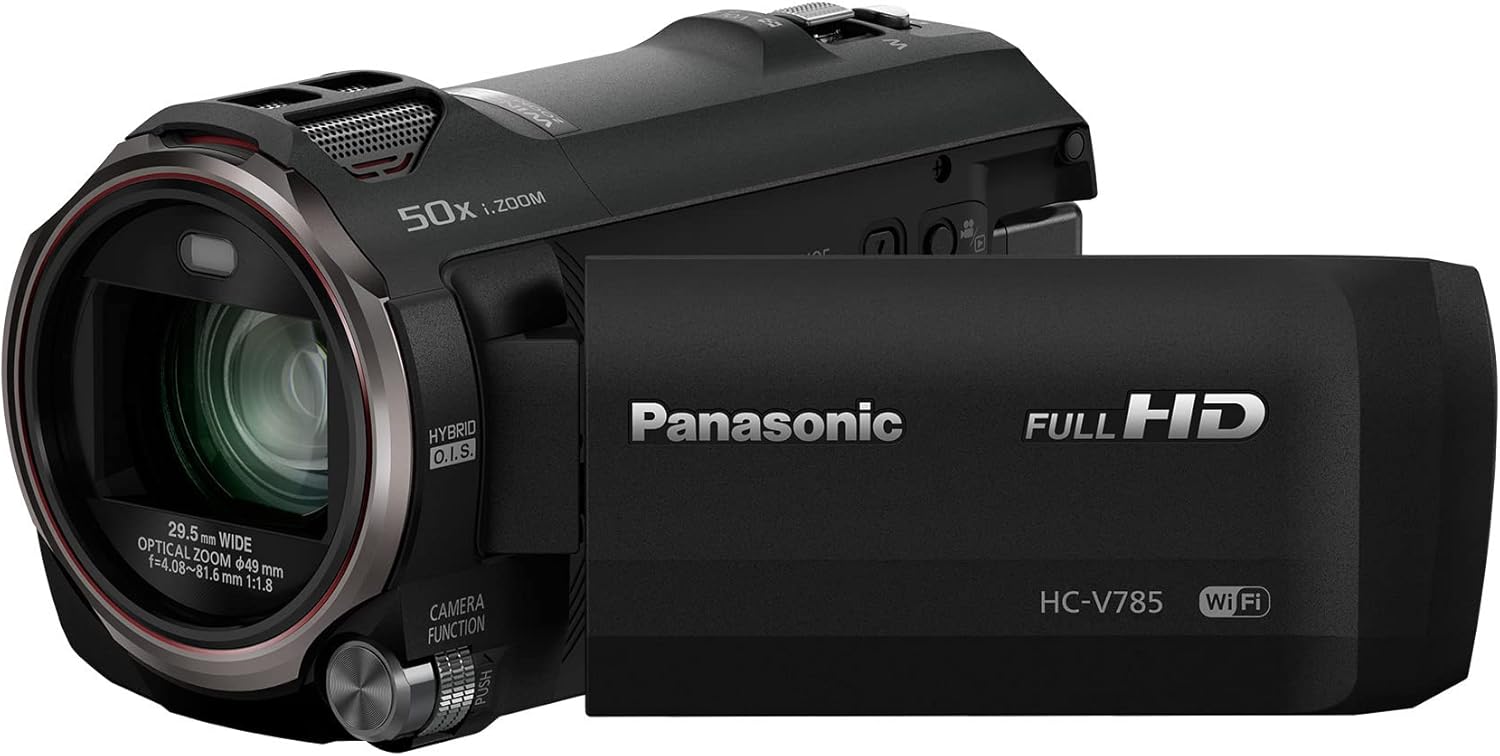
3) Panasonic HC-V785 – Best all-conditions outdoor camcorder
Outdoor baseball presents lighting conditions that change constantly and unpredictably-bright afternoon sun, hazy overcast, dramatic shadows across the infield in late afternoon, and artificial field lighting for evening games. The Panasonic HC-V785 handles this range of conditions more capably than standard budget camcorders because of its 1/2.3-inch BSI (Back Side Illuminated) sensor, which is 34% larger than the sensors in most entry-level camcorders. That extra sensor area means more light captured per frame, which translates to cleaner, better-exposed footage across a wider range of outdoor conditions.
The HDR capture feature specifically helps with the high-contrast situations common in outdoor sports filming-bright sky behind a fly ball, deep shadows in the dugout, players moving between sun and shade. The 20x optical zoom covers standard game distances from bleacher positions comfortably, and the Wi-Fi live monitoring feature lets coaches see what the camera is capturing on a smartphone, which is useful when the camera is mounted and the coach is working on the field during practice filming.
- 1/2.3-inch BSI sensor: 34% larger than standard entry-level sensors-captures more light for better performance across variable outdoor conditions.
- HDR capture: Handles high-contrast outdoor scenes-bright sky, deep shadows, transition lighting-better than standard sensors.
- AUTO O.I.S. Lock stabilization: Keeps footage stable during extended tracking shots following players across the field.
- 20x optical zoom: Covers standard game distances with optical clarity.
- Wi-Fi smartphone monitoring: View what the camera is capturing on a connected phone-useful for remote monitoring during tripod-mounted recording.
Best for: Coaches and parents who play games in varied conditions-including evening games under field lighting, overcast days, and late afternoon when lighting shifts dramatically-and want footage that holds up consistently regardless of lighting changes.
Worth knowing: The 20x optical zoom is appropriate for most game positions but is less reach than the Canon VIXIA’s 57x. For filming from very far bleacher positions or trying to isolate individual outfield players from distance, the Canon has the zoom advantage. For all-conditions consistency and better lighting performance, the V785 is the stronger choice.
See ReviewsOpens Amazon. Affiliate link.
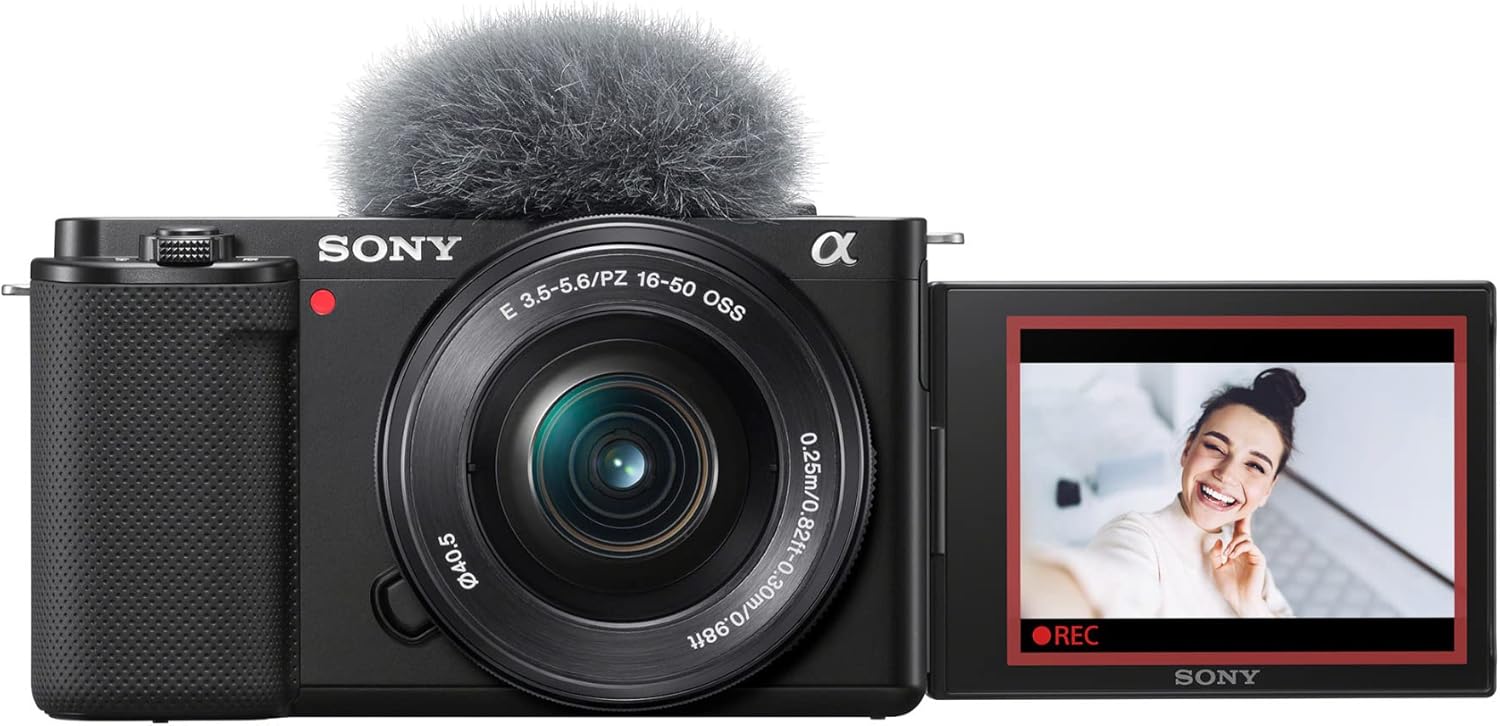
4) Sony ZV-E10 – Best for coaches, scouts, and serious footage quality
The Sony ZV-E10 is a different category from the camcorders above-it’s an APS-C mirrorless camera designed around video production that happens to excel at the kind of footage baseball coaches and scouts want: genuinely high-quality game film with a cinematic look that makes highlight reels worth watching. The APS-C sensor is fundamentally larger than any consumer camcorder sensor, which creates better image quality, more pronounced subject separation, and meaningfully better performance in variable outdoor lighting.
For baseball’s specific demands, the key upgrade is lens flexibility. Paired with a telephoto lens like Sony’s 55-210mm kit option, the ZV-E10 covers the zoom range needed to isolate players across the diamond and into the outfield. The 4K video recording produces footage detailed enough to use for swing analysis and pitching mechanics review-the kind of coaching film that reveals technique details that lower-resolution footage blurs over. Sony’s autofocus tracks moving subjects reliably across the frame, following players as they run the bases or move in the outfield without hunting or losing lock.
- APS-C sensor: Fundamentally larger than any consumer camcorder sensor-superior image quality, better outdoor performance, more cinematic depth of field.
- 4K video: High resolution suitable for swing mechanics analysis, pitching review, and recruiting-quality highlight content.
- Interchangeable lenses: Pair with telephoto lenses to cover game distances; upgrade optics over time as needs develop.
- Reliable autofocus tracking: Follows moving players across the frame without losing lock-critical for outfield tracking shots.
- Compact mirrorless body: More portable than DSLR alternatives at the same quality level.
Best for: Coaches who use film for technical analysis, scouts building recruiting evaluation libraries, high school and college programs who want broadcast-quality game coverage, and content creators producing highlight reels that represent players at the highest quality possible.
Worth knowing: This is a more complex camera than a plug-and-play camcorder. You’ll need a compatible telephoto lens, some understanding of basic exposure settings, and more post-production attention than auto-mode camcorder footage typically requires. The total cost including a telephoto lens is meaningfully higher than the camcorder options. For parents who want simple point-and-record operation, the Sony CX405 or Canon VIXIA are better fits.
See Current PriceOpens Amazon. Affiliate link.
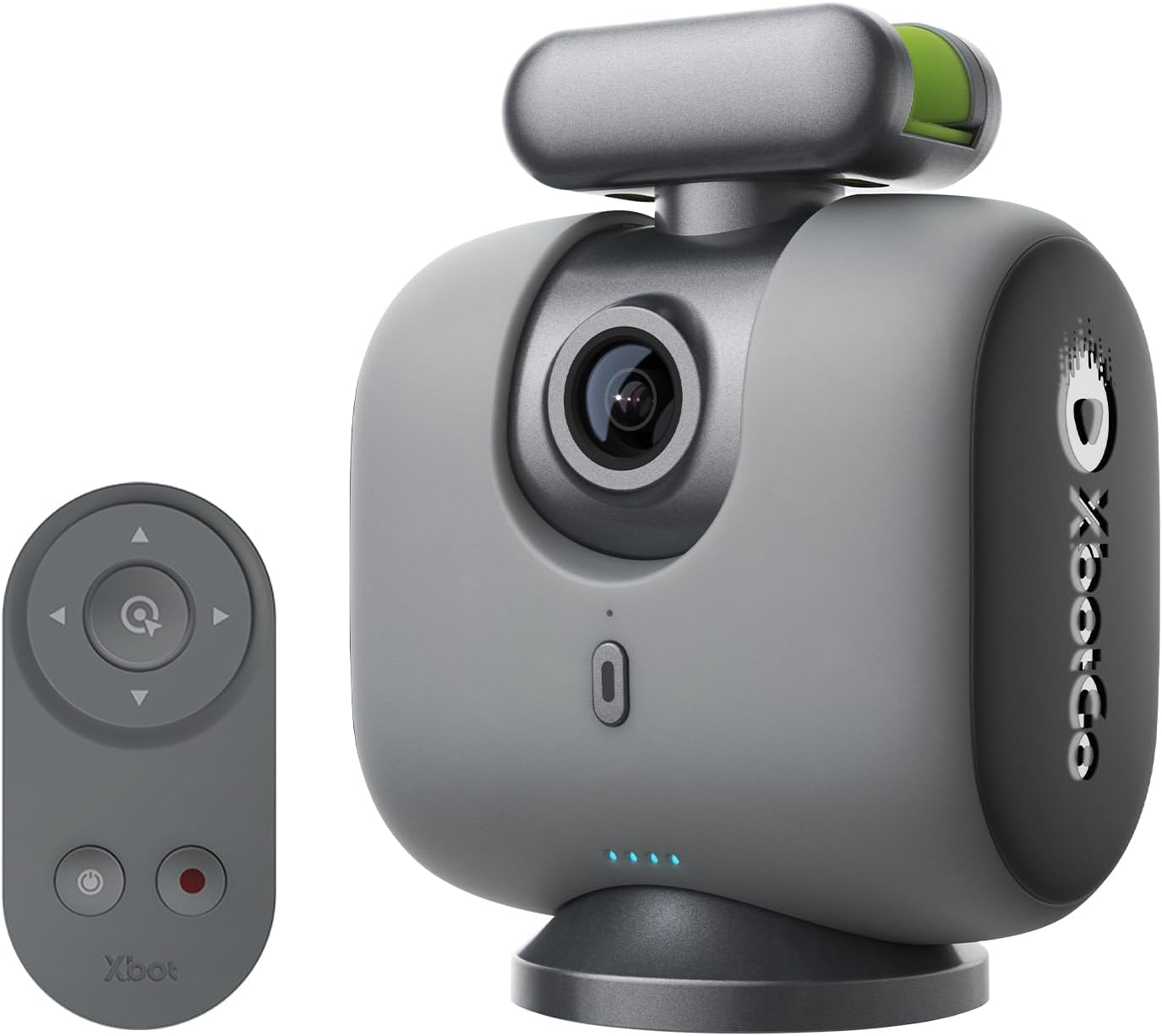
5) XbotGo Chameleon AI Sports Camera – Best hands-free auto-tracking system
The XbotGo Chameleon takes a fundamentally different approach to game recording: instead of a human following the action, an AI system does it automatically. The camera mounts to a tripod, you start it, and it uses AI-powered tracking algorithms to follow the play across the field-panning to track batters, following runners, catching the ball in flight. It’s designed for team sports and covers over 20 sports, with a tracking system built to handle the wide field coverage and unpredictable movement patterns of baseball action.
For programs that want consistent full-game coverage at every game without dedicating a staff member or parent to camera operation, this addresses the reliability problem directly. The 4K 60fps recording delivers smooth, high-resolution footage, the system works with existing iOS and Android smartphones, and there’s no subscription fee after the initial purchase. For coaches who want game film at every game without worrying about who’s running the camera, this is the operationally simplest solution available.
- AI auto-tracking for sports: Follows the action across the field without a human operator-covers batting, baserunning, and fielding plays.
- 4K 60fps recording: High resolution and smooth frame rate suitable for both coaching review and highlight content.
- No subscription required: One-time purchase with no ongoing fees for core recording and tracking functionality.
- Live streaming capability: Supports remote viewing for parents or coaches who can’t attend games in person.
- iOS and Android compatible: Works with existing smartphones rather than requiring dedicated hardware.
Best for: Coaches who want consistent game film at every game without a camera operator, programs running multiple games per week where volunteer fatigue is a real problem, and teams interested in live streaming games for remote family viewing.
Worth knowing: AI tracking systems require a clear sightline to the field from an elevated, centered position-ideally behind home plate or at the midfield area. Unusual field configurations, obstructed bleacher lines, or very bright direct sunlight can affect tracking accuracy. It works best when the setup position is scouted in advance at each venue.
Check PriceOpens Amazon. Affiliate link.
What makes baseball camera recording different from other sports
Field scale demands real zoom reach
A baseball diamond is significantly larger than any indoor court. From typical bleacher positions, a shortstop in the field can be 150-200 feet away. An outfielder catching a deep fly ball can be 300+ feet from the camera. This means optical zoom reach-not digital zoom-is a more critical specification for baseball recording than for sports where the action stays within 50 feet. The Canon VIXIA’s 57x zoom and the Sony ZV-E10 paired with a telephoto lens are built for this; budget camcorders with 20-30x zoom can still produce usable footage from reasonable positions but will struggle at extreme distances.
Outdoor light is an asset-and a complication
Most baseball is played outside in natural light, which is genuinely good for cameras-unlike poorly lit indoor gyms, a bright afternoon baseball game produces excellent footage from almost any camcorder. The complication is that outdoor light varies dramatically: morning games have flat light, afternoon games have harsh direct sun and deep shadows, late afternoon creates high-contrast situations across the infield, and evening games under field lighting are essentially indoor conditions. The Panasonic HC-V785’s larger sensor handles this range most capably among the camcorders here.
Game length and battery life
Baseball games regularly run 2.5-3 hours. A single camcorder battery often covers 60-90 minutes of continuous recording. Bring at least one spare battery-two for tournament days with back-to-back games. This applies to every pick on this list.
Camcorders vs mirrorless cameras vs AI tracking: which is right for you?
Camcorders (Sony HDR-CX405, Canon VIXIA HF R800, Panasonic HC-V785) are the practical choice for most parents and coaches. They’re designed to record video, operate simply, and handle extended recording sessions. For the majority of baseball recording use cases-family memories, basic coaching review, youth and high school game footage-a good camcorder covers every need.
The differences within the camcorder category matter for baseball specifically:
- For zoom priority, the Canon VIXIA HF R800 wins outright
- For variable outdoor conditions, the Panasonic HC-V785‘s larger sensor is the better tool
- For budget, the Sony HDR-CX405 is the reliable entry point
Mirrorless cameras (Sony ZV-E10) produce the best image quality available at an accessible price point but require more knowledge and investment. The right choice for coaches who use film for detailed technical analysis, scouts building evaluation libraries, and anyone creating content beyond casual family footage.
AI tracking systems (XbotGo Chameleon) solve the operator problem-no human needed to follow the action. The right choice for programs that want consistent coverage at every game without relying on volunteers or staff.
Common mistakes when recording baseball games
- Shooting from end-line or foul-line positions when center-field angle is available. The best single-camera position for baseball is directly behind home plate, elevated-ideally in or behind the backstop area with a clear elevated sightline. This shows the pitcher, batter, and infield on every play. End-line bleacher positions make half the field awkward to cover.
- Using digital zoom instead of staying in optical range. Digital zoom is image cropping-it creates pixelated, soft footage at the edges of the zoom range. Set a mental limit at the optical zoom maximum and don’t push further.
- Not accounting for battery life in tournament settings. Three games in a day means three full batteries minimum, or access to power for charging between games. Arrive with fully charged batteries and a plan for charging during breaks.
- Filming into the sun. At outdoor games, the camera position relative to the sun matters enormously. Shooting with the sun behind the camera produces clear footage; shooting into the sun produces silhouettes and lens flare. Arrive early enough to assess the sun angle and choose your position accordingly.
- Neglecting the tripod. Handheld filming at baseball-level zoom distances produces shaky footage. A stable tripod with a fluid pan head is as important as the camera itself for game recording. Budget $40-80 for a decent pan-head tripod and the footage quality jumps immediately.
- Not capturing multiple angles when possible. A second camera at a foul-line position captures the batting stance and outfield pursuit better than a behind-plate position. If two cameras are available-or if the XbotGo handles one while a parent handles another-split the angles intentionally rather than both shooting the same view.
Q&A
What is the best camera for recording baseball games?
For most parents and coaches, the Canon VIXIA HF R800 is the strongest all-around choice-its 57x zoom handles baseball’s large field distances better than cameras with shorter reach, and it’s simple to operate. For coaches who want the best possible image quality for technical analysis, the Sony ZV-E10 paired with a telephoto lens is the step-up worth making.
What camera do youth baseball coaches use?
Youth baseball coaches most commonly use dedicated camcorders-specifically models from Sony, Canon, and Panasonic with sufficient optical zoom (30x or more) to cover the field from bleacher or fence positions. For programs with budget for equipment, the Panasonic HC-V785 is a popular choice for its larger sensor and all-conditions performance.
How much zoom do I need to record baseball games?
At minimum, 20-30x optical zoom covers most recording positions at standard youth and high school fields from reasonable bleacher distances. For filming from far bleacher positions or trying to capture outfield plays at full-size fields, 50x+ optical zoom makes a meaningful difference. The Canon VIXIA HF R800’s 57x optical reach covers essentially every game recording scenario you’ll encounter.
Can I use my iPhone to record baseball games?
A modern iPhone produces decent footage in good outdoor light, but lacks the optical zoom needed to cover field distances properly from bleacher positions. Without optical zoom, you’re either standing very close to the action or heavily cropping the image digitally-neither produces the game coverage quality you get from a dedicated camcorder. For casual clips, a smartphone works. For consistent game coverage, a dedicated camera with proper optical zoom is meaningfully better.
Where is the best position to record a baseball game?
The ideal single-camera position is elevated and directly behind home plate-this angle shows the pitcher, batter, catcher, and infield on every play, and follows baserunning across the diamond. A secondary position at first or third base foul line captures batting stance and approach more clearly. Avoid positions in the sun’s direction and positions at field level without elevation, which obscure plays behind fielder movements.
Bottom line
For the best zoom reach to cover outfield action from typical bleacher positions, the Canon VIXIA HF R800 is the strongest camcorder pick for baseball specifically. Parents who want reliable budget entry should start with the Sony HDR-CX405. For all-conditions outdoor performance across variable lighting, the Panasonic HC-V785‘s larger sensor is the right upgrade. Coaches or scouts who want the best possible quality for technical analysis should look at the Sony ZV-E10 with a telephoto lens. And programs that want hands-free, operator-independent game coverage should consider the XbotGo Chameleon.
A stable tripod with a fluid pan head matters as much as which camera you choose-budget for one alongside the camera, and the footage quality difference is immediate.