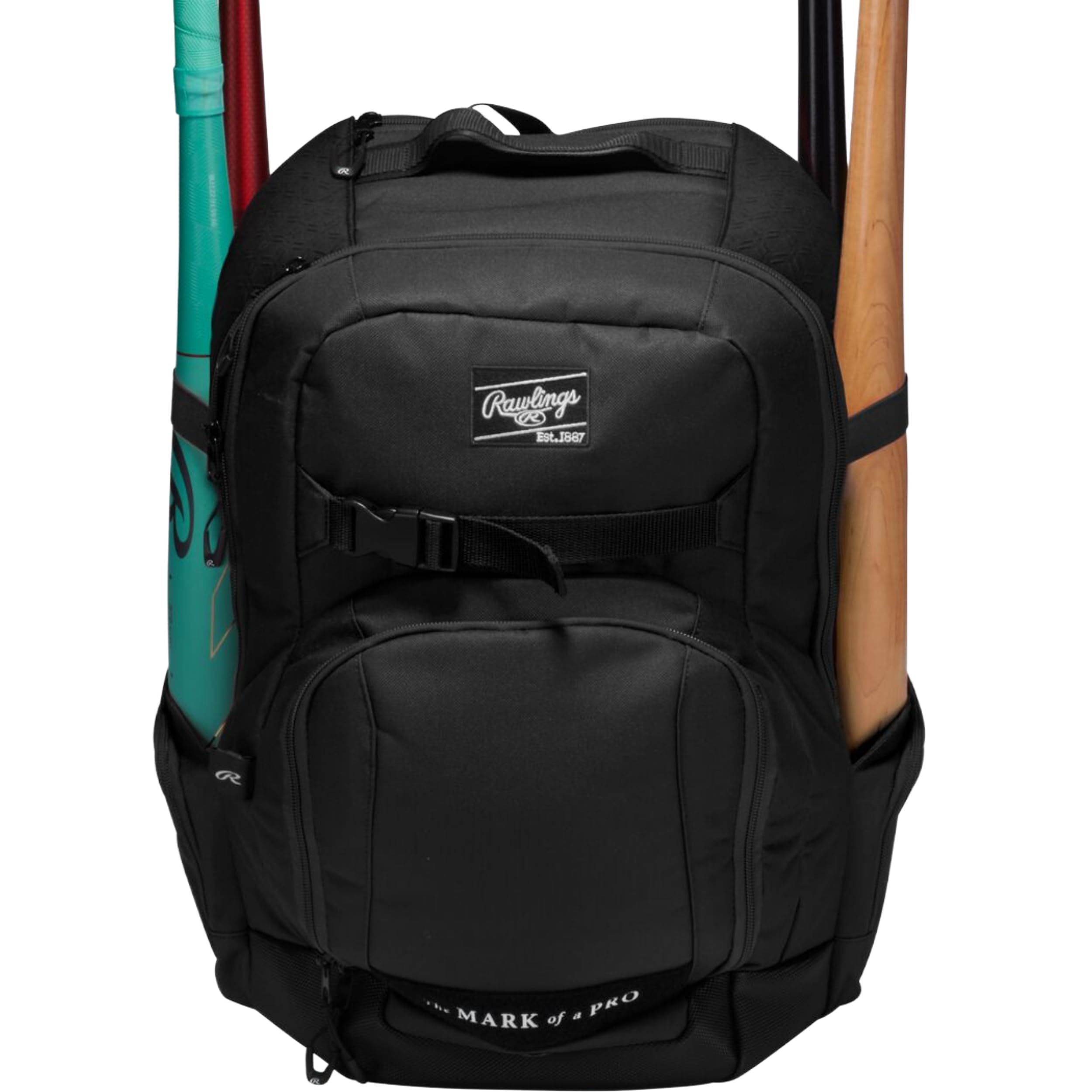
A good baseball bag is the difference between showing up calm and organized versus starting every practice by digging through a black hole of gear. If your cleats are loose in the main compartment, your helmet is bouncing around, and your water bottle leaks onto your batting gloves, you are not just annoyed, you are wasting reps and attention that should be on the field.
This guide is for players and parents who want a baseball bag that actually matches the way baseball works: bats need quick access, cleats need separation, and the bag has to survive getting dragged across parking lots and thrown into dugouts. We will give you one clear winner, plus the right alternatives depending on whether you carry catcher gear, travel for tournaments, or just need an affordable backpack that does not fall apart.
Disclosure: This post contains affiliate links. As an Amazon Associate, we earn from qualifying purchases at no extra cost to you.
| Product | Typical price range | Rating | Key feature | Best for |
|---|---|---|---|---|
| Easton Walk-Off Mojo Backpack | $60 to $110 | Best overall | Molded helmet holder + smart pocket layout | Most players who want a reliable everyday bat pack |
| DeMarini Voodoo OG Backpack | $60 to $120 | Best for dugout organization | Bat sleeves + separate shoe compartment | Players who want fast access and clean separation |
| Boombah Superpack Bat Pack | $70 to $140 | Most storage | Big capacity and lots of pockets | Players carrying extra layers, training gear, or multiple bats |
| Rawlings Covert Duffle Equipment Bag | $40 to $80 | Best duffle-style value | Simple carry with bat sleeves and shoe end | Parents who want easy packing and quick car loading |
| Easton Walk-Off Pro Backpack | $70 to $130 | Best for heavy use | Built to take tournament travel | Older players who treat a bag like a tool, not an accessory |
Quick picks (fast answer)
- Best overall: Easton Walk-Off Mojo. The layout makes sense and it does not feel like a compromise.
- Best for organization: DeMarini Voodoo OG. Great separation of bats, cleats, and small stuff.
- Most storage: Boombah Superpack. If you always carry extra gear, this is the “everything fits” option.
- Best duffle-style budget: Rawlings Covert Duffle. Easier for parents and younger players to pack.
- Best for hard travel: Easton Walk-Off Pro. A sturdier pick for tournament weekends.
How we chose the best baseball bags
Most baseball bags fail the same way: zippers blow out, bat sleeves rip, or the bag becomes a chaotic pile because there is no clean place for cleats, helmet, and sweaty clothes.
We prioritized:
- Real separation: a dedicated shoe/cleat compartment and a layout that keeps your batting gloves and tape from getting crushed.
- Bat carry that works: sleeves that hold bats securely without tearing after a month.
- Durability signals: reinforced base, decent zipper pulls, and stitching that can handle being thrown into a trunk.
- Dugout usability: pockets you can access one-handed without dumping everything on the bench.
- Right size for the job: a youth backpack should not be a catcher’s bag in disguise.
The best baseball bags (2026)
1) Easton Walk-Off Mojo Backpack (Best overall)
This is the bag for the player who wants a clean, repeatable routine: helmet goes in one place, bats go in the sleeves, cleats stay separated, and your small gear does not disappear. That sounds basic, but it is exactly what turns a bag from “storage” into a tool.
Key Specs
Style: bat pack backpack
Standout feature: molded external helmet holder (frees up internal space)
Best for: Most youth and adult players who want one everyday bag that stays organized.
Why it is the right call: The helmet holder is not just a gimmick. It opens up the main compartment so you can keep gloves and accessories clean and easy to reach. The bat sleeves are quick, and the whole layout reduces the “dump it out and repack it” problem.
Tradeoffs: If you carry full catcher gear, you may need a larger wheeled bag or a dedicated catcher’s backpack. This is an equipment backpack, not a rolling locker.
See today’s price and colors on AmazonOpens Amazon. Affiliate link.
2) DeMarini Voodoo OG Backpack (Best for dugout organization)
Some bags technically have pockets but still feel messy. The Voodoo OG is built for ballplayers who want separation: bats are where they should be, cleats have their own space, and you can get to what you need without opening the entire main compartment.
Key Specs
Style: backpack with bat sleeves and shoe compartment
Why it matters: keeping cleats separated helps your gloves and grips last longer
Best for: Players who hate rummaging and want fast access between innings.
Why it is the right call: It supports a clean routine: cleats in, batting gloves and tape in their pocket, helmet handled without crushing everything else. That is how you stop losing things and stop showing up feeling scattered.
Tradeoffs: Like most backpacks, it has a ceiling on capacity. If you are carrying bulky winter layers or team gear for two players, you may want the larger storage option below.
Check current pricing and availability on AmazonOpens Amazon. Affiliate link.
3) Boombah Superpack Bat Pack (Most storage for the money)
If you are the player who always has extras (arm sleeves, extra batting gloves, resistance bands, rain jacket), small backpacks turn into a game of Tetris. The Superpack is built for more stuff, and it is a popular choice when a standard bat pack feels cramped.
Key Specs
Style: large bat pack backpack
Capacity advantage: big main compartment with multiple accessory pockets
Best for: Travel ball players and anyone who carries extras beyond the basics.
Why it is the right call: Space equals calm. When everything fits without forcing zippers, you stop damaging gear and you stop starting practice already annoyed. It is also an easy pick if you want one bag that works across seasons.
Tradeoffs: Bigger bags can be awkward for smaller kids, and a fully loaded pack can get heavy. If your player is young, do not buy a “monster bag” and expect them to carry it comfortably.
See today’s price on AmazonOpens Amazon. Affiliate link.
4) Rawlings Covert Duffle Equipment Bag (Best duffle-style value)
If you want the simplest possible packing experience, a duffle-style bag is hard to beat. Throw the gear in, zip it, go. The Covert Duffle is a practical pick for families who want something affordable that still respects the basics: bats need a place, and cleats should not contaminate everything else.
Key Specs
Style: duffle equipment bag
Useful feature: bat sleeves + breathable shoe end compartment
Best for: Younger players and parents who want easy packing and easy trunk loading.
Why it is the right call: It removes friction. A duffle is usually easier for a kid to manage than a tall backpack, and it is straightforward for parents who are packing quickly before school or work.
Tradeoffs: Duffles are not as “dugout friendly” as backpacks. You may end up digging a bit more for small items, so consider using a small accessory pouch inside.
Check today’s price on AmazonOpens Amazon. Affiliate link.
5) Easton Walk-Off Pro Backpack (Best for heavy use and travel)
Tournament weekends are rough on gear. Bags get dragged, tossed, and stuffed full. The Walk-Off Pro is a solid upgrade path if you already know you are hard on bags or you travel often. It is built to hold up better when “gentle” is not in the plan.
Key Specs
Style: premium bat pack backpack
Use case: higher durability expectations for frequent play
Best for: Older players, frequent travel, and anyone tired of replacing bags too often.
Why it is the right call: The main value is longevity. A bag that survives a season of travel is cheaper than buying two budget bags that fail at the zippers or seams.
Tradeoffs: It costs more than a basic backpack. If your player is still deciding whether they even like baseball, start with a value option first.
See current pricing on AmazonOpens Amazon. Affiliate link.
How to choose the right baseball bag (without overthinking it)
If you are stuck between two bags that both look fine, stop staring at the photos and decide based on how you actually use your gear on a typical week.
- If you change shoes at the field: prioritize a real cleat compartment (not just an open mesh pocket). Dirt and moisture are what wreck gloves and batting gear over time.
- If you carry a helmet every day: an external helmet holder is a big quality-of-life upgrade because it keeps the main compartment from becoming a bulky pile.
- If you play travel ball: look for a reinforced base and bigger zippers. Travel kills bags the same way it kills luggage.
- If you are buying for a younger player: do not size up “for the future”. An oversized bag gets heavy and turns into chaos, which means it never stays organized.
FAQ: choosing a baseball bag
What size baseball bag do I need?
For most non-catchers, a standard bat pack is enough: it needs to fit a glove, helmet, cleats, and two bats. If you carry catcher gear, you usually need a dedicated catcher’s bag or a wheeled equipment bag.
Are baseball backpacks better than duffle bags?
Backpacks are usually better in the dugout and easier to carry. Duffles are easier to pack and easier to fit in a trunk. The best choice depends on whether your player values access (backpack) or simplicity (duffle).
How many bats should a baseball bag hold?
Two is the sweet spot for most players. Travel ball players sometimes want space for three or four, but bigger is not always better if it makes the bag heavy and awkward.
Do I need a separate cleat compartment?
If you care about your batting gloves and your car smelling normal, yes. A separate shoe compartment keeps dirt and moisture from ruining everything else in the bag.
What should I avoid when buying a baseball bag?
Avoid thin zippers, flimsy bat sleeves, and bags with no structure at the base. Those are the bags that tip over, tear, and turn into a mess after a few weeks.
Is a rolling baseball bag worth it?
For catchers, it often is. For everyone else, rolling bags can be overkill unless you travel constantly and carry a lot of extra gear. A good backpack is usually enough.
What is the difference between a bat pack and an equipment bag?
A bat pack is a backpack-style bag built around quick bat access and everyday carry. An equipment bag is usually larger, often duffle or rolling, and built to move more volume (catcher gear, team helmets, extra uniforms). If you do not carry catcher gear, a bat pack is usually the better daily choice.
Do baseball bags work for softball too?
Most do. The main checks are bat sleeve length (especially for longer bats) and whether the bag layout fits your helmet, cleats, and glove the way you like to pack. If you play both, pick a bag with a little extra room and stronger zippers.
Final verdict
The best choice for most players: the Easton Walk-Off Mojo. It keeps your gear organized, makes dugout life easier, and does not feel like a fragile “budget bag”.
Buy something else if: you want maximum separation and quick access (DeMarini Voodoo OG), you carry a lot of extras (Boombah Superpack), you prefer simple packing (Rawlings Covert Duffle), or you travel hard and want a sturdier long-term bag (Walk-Off Pro).
See today’s price for the Walk-Off Mojo on Amazon
Peak Practice Lab is dedicated to helping athletes find the best training tools backed by real research and reviews.